
Polyphenols, Polysaccharides & Omega-7 Oil — The Complete Bioactive Profile of Sea Buckthorn
June 4, 2026
How Sea Buckthorn Oil Suppresses Gastric Cancer Cell Growth — Evidence from a Peer-Reviewed Study
June 6, 2026Natural Lip Color with Antioxidant Power: How Wolfberry & Sea Buckthorn Oil Replace Synthetic Dyes
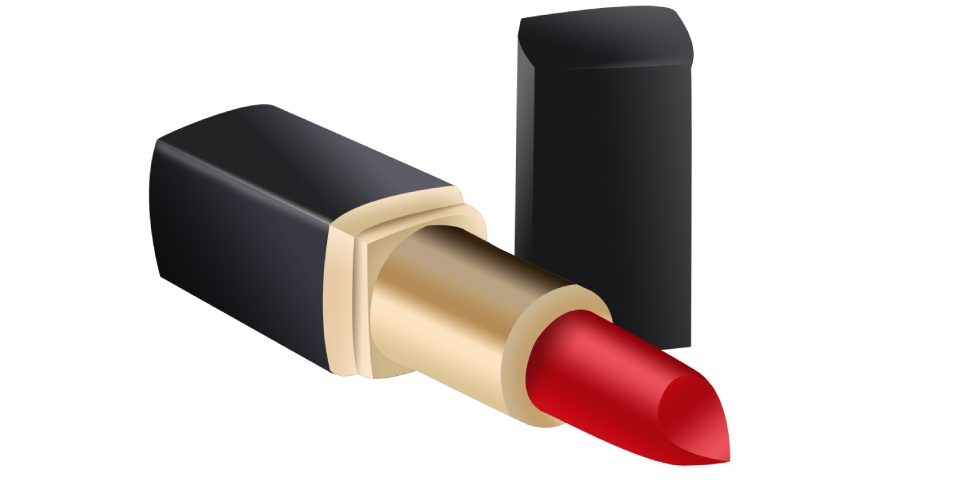
When lip-care chemistry meets high-altitude botanicals: a peer-reviewed formulation study from Qinghai’s Qaidam Basin shows how wolfberry (Lycium barbarum) carotene as natural colorant and sea buckthorn oil as functional conditioner produce a lipstick that is antioxidant, moisturising, and fully compliant with national cosmetic safety standards — all without synthetic colorants or mineral-oil emollients.
1. Why Formulate with Wolfberry and Sea Buckthorn?
The lips are one of the most vulnerable surfaces on the human face. The stratum corneum is thinner than elsewhere, natural moisturising factor (NMF) content is lower, and the area is constantly exposed to UV, desiccation, and mechanical abrasion. Conventional lip products frequently rely on synthetic dyes and petrolatum-based emollients — a profile that has drawn growing scrutiny over heavy-metal contamination (notably lead) and skin sensitisation risk.
Two high-altitude plants from Qinghai’s Qaidam Basin offer a more elegant answer. Wolfberry (Lycium barbarum L.) is rich in carotenoids and carotenoid esters — the same pigment family that gives the berry its vivid orange-red hue. These compounds are not merely cosmetically appealing; they are potent antioxidants, anti-inflammatory agents, and natural humectants. Sea buckthorn oil, extracted from the fruit pulp and seeds of Hippophae rhamnoides, is among the richest plant sources of palmitoleic acid (Omega-7), carotenoids, vitamin E, and phytosterols — all known to support the skin barrier and reduce transepidermal water loss.
Research objective: Combine wolfberry carotene (colorant) and sea buckthorn oil (emollient) in a beeswax-based stick formulation; optimise wax-to-oil ratios by orthogonal experiment; validate the final product against Chinese national cosmetic safety and performance standards.
2. The Ingredient Science: What Each Component Does
2.1 Wolfberry Carotene — Colour with a Function
The study used Qaidam Basin red wolfberries (枸杞, Lycium barbarum), which accumulate exceptionally high levels of carotenoids due to the region’s high altitude, intense UV irradiance, and wide diurnal temperature variation. Carotene extraction followed an alkaline pre-soak (0.1 mol/L NaOH, 24 h) to break cell-wall polysaccharide linkages, followed by 85% ethanol reflux at 90 °C with a 1:4 material-to-solvent ratio, and rotary evaporation concentration. The resulting concentrated carotene extract served as both the colorant and an antioxidant co-active.
2.2 Sea Buckthorn Oil — The Lip-Conditioning Core
Sea buckthorn oil was selected for three complementary reasons:
- Emollient richness: Omega-7 (palmitoleic acid, C16:1) forms a physiological lipid layer closely matching the skin’s own sebum, reducing transepidermal water loss (TEWL) without occlusive heaviness.
- Antioxidant depth: Naturally co-packaged vitamin E (tocopherols/tocotrienols) and carotenoids extend product shelf life and provide free-radical scavenging at the point of application.
- Synergy with wolfberry carotene: Both inputs contribute to the same antioxidant and moisturising benefit narrative, creating a coherent functional story rather than isolated add-ins.
Conventional Lip Base
- Petroleum-derived mineral oils as emollient
- Synthetic dyes (FD&C / D&C reds)
- Lead contamination risk from colorants
- No inherent antioxidant activity
- Standardised, low-cost supply chain
Wolfberry + Sea Buckthorn Base
- Sea buckthorn oil — Omega-7, skin-identical lipid
- Wolfberry carotene — natural pigment, antioxidant dual-function
- Vitamin E added — radical chain-break protection
- No synthetic colorants, no heavy metals
- All safety indices (2015 Cosmetic Safety Technical Specification) passed
2.3 Beeswax System — Structural Architecture
The wax matrix uses a blend of white beeswax (A) and candelilla wax (B). White beeswax is the primary thickener and stick-former; candelilla wax (a plant-based wax from Euphorbia cerifera) modulates hardness and gloss. Both are approved cosmetic excipients with excellent lip-tolerance profiles. Vitamin E (0.1 g per batch) was added as a preservative antioxidant to protect the unsaturated fatty acids in sea buckthorn oil from oxidation during storage.
3. Manufacturing Process
The preparation protocol is clean-label and scalable, requiring no organic solvents in the final product:
Lipstick Manufacturing Flow
Carotene Extract
(emollient)
Wax + Vitamin E
Stir to Homogeneity
→ Mould Pour
& Package
The water bath temperature of 80 °C is critical: it is above the melting range of both beeswax (62–65 °C) and candelilla wax (66–73 °C) but below the decomposition threshold of carotenoids and tocopherols. Vacuum defoaming before mould pouring ensures a smooth, pore-free surface — one of the mandatory sensory criteria. The entire process avoids high-shear emulsification, preserving the structural integrity of the sea buckthorn fatty acids.
4. Quality Assessment: Sensory, Physicochemical & Safety Indices
All product evaluation followed the Chinese Cosmetic Safety Technical Specification (2015 edition). The following table summarises the index categories and the study outcomes:
| Index Category | Specific Test | Requirement / Method | Result |
|---|---|---|---|
| Sensory | Appearance | Smooth surface, no pores, no foreign matter (visual inspection at room temp, no direct sunlight) | ✔ Pass |
| Odour | Characteristic pleasant scent, no off-odour | ✔ Pass | |
| Colour | Uniform colour tone consistent throughout the stick | ✔ Pass | |
| Physicochemical | Heat resistance | No softening or breakage after 24 h in controlled-temperature oven (±1 °C) | ✔ Pass |
| Cold resistance | No cracking or delamination after cold-cycle storage | ✔ Pass | |
| Safety | Skin irritation (patch test) | Applied to post-auricular & inner-wrist areas; observed at 1h, 3h, 6h, 12h, 24h, 48h — no erythema, pruritus, or sensitisation | ✔ Pass |
5. Orthogonal Experiment: Finding the Optimal Formula
With baseline safety confirmed, the study applied an L₉(3⁴) orthogonal design to optimise the three variable components — white beeswax (A), candelilla wax (B), and sea buckthorn oil (C) — across three dosage levels each. Wolfberry carotene extract (0.25 g) and vitamin E (0.1 g) were held constant as anchors. Two performance metrics were evaluated simultaneously:
- Cone penetration depth (锥入度) — measures hardness/viscosity. Deeper cone insertion = softer product. Tested at 25 °C ± 0.5 °C per Chinese Pharmacopeia (2015) 0983 method using a 9.38 g cone released from 6 cm height; reading taken at 5 s.
- Spreadability (涂展性) — measures payoff quality. A 0.1 g sample is spread under a 100 g weight on a 30° inclined glass plate; the distance covered (cm) reflects ease of application and colour deposit.
Optimisation result: For both spreadability and penetration hardness, the factor influence order was identical: A (beeswax) > C (sea buckthorn oil) > B (candelilla wax). The optimal process was determined as A₂B₁C₂ — the mid-level beeswax dosage, lowest candelilla wax dosage, and mid-level sea buckthorn oil dosage.
| Factor | Level 1 (Low) | Level 2 (Mid) | Level 3 (High) | Influence Rank |
|---|---|---|---|---|
| A — White Beeswax | Low dose | Mid dose ✓ Optimal | High dose | 1st (Dominant) |
| B — Candelilla Wax | Low dose ✓ Optimal | Mid dose | High dose | 3rd (Minor) |
| C — Sea Buckthorn Oil | Low dose | Mid dose ✓ Optimal | High dose | 2nd (Significant) |
| D — Error column | Orthogonal dummy column (no physical factor assigned) | — | ||
The dominant role of beeswax (A) over spreadability and hardness is expected: beeswax dictates the crystalline wax matrix that gives the stick its structure. The second-rank significance of sea buckthorn oil (C) is important for formulators: it confirms that the oil concentration is not merely a cosmetic variable but a performance driver. Excess oil weakens the stick (excessive softness); insufficient oil reduces payoff smoothness and moisturising feel. The mid-level sea buckthorn oil concentration threads the needle between structural integrity and functional delivery.
6. Antioxidant Mechanism: How the Three Actives Work Together
Wolfberry Carotene
β-carotene and zeaxanthin quench singlet oxygen (¹O₂) and neutralise lipid peroxy radicals (ROO•). In the skin, they act as an upstream UV-absorbing filter that reduces oxidative challenge before it reaches cellular targets.
Sea Buckthorn Oil Carotenoids
Berry pulp oil contributes its own carotenoid fraction (lycopene, β-carotene, zeaxanthin) in addition to Omega-7. The combined carotenoid load of both wolfberry extract and sea buckthorn oil creates a multi-compound antioxidant matrix.
Vitamin E (Tocopherol)
Added at 0.1 g per batch as a chain-breaking antioxidant. Protects the polyunsaturated fatty acids in sea buckthorn oil (Omega-3, Omega-6, Omega-7) from autoxidation during storage, extending product shelf life while providing direct skin-protective activity.
Omega-7 (Palmitoleic Acid)
Unique to sea buckthorn and a few other plants, palmitoleic acid (C16:1n-7) is a direct structural analogue of human sebum. It reduces TEWL, supports the stratum corneum barrier, and accelerates lip mucosa regeneration — especially relevant for chapped or post-UV-damaged lips.
7. Why This Matters for Cosmetic Formulators & Brand Owners
The study’s findings translate directly into sourcing and formulation decision-making for clean-beauty brands, private-label manufacturers, and innovation teams:
Natural Colorant Replacement
Wolfberry carotene provides warm amber-to-coral tones without FD&C synthetic dyes. Eliminates lead contamination risk associated with some colour cosmetic pigments; compliant with “no synthetic colourant” claims.
Sea Buckthorn Oil as Active Emollient
TongyuBio sea buckthorn oil (SC-CO₂ extracted, berry pulp or seed) delivers clinically validated Omega-7 and vitamin E in a cosmetically elegant, low-odour profile. MOQ 20 kg, CoA available.
Regulatory-Ready Formulation
All raw materials are listed in the INCI database and Chinese Cosmetic Ingredient Inventory (CICS). Patch-test data confirms no sensitisation. Supports EU and GB/T cosmetic registration submissions.
Qaidam Basin Provenance
Both wolfberry and sea buckthorn sourced from Qinghai Qaidam Basin — an altitude-stress geography that drives superior bioactive accumulation. Traceable origin supports premium positioning and clean-beauty storytelling.
Scalable, Solvent-Free Process
The 80 °C water-bath melt-and-pour method requires no organic solvents in the final lipstick. Suitable for GMP-compliant cosmetic manufacturing lines. Vacuum defoaming ensures consistent stick surface quality at scale.
Multi-Format OEM Supply
TongyuBio supplies sea buckthorn oil in berry-pulp, seed, and whole-fruit variants with varying Omega-7 content (22–35%). Custom viscosity and carotenoid-content specifications available for tailored lipstick formulation.
8. Frequently Asked Questions
What concentration of sea buckthorn oil is optimal in a lipstick base?
The orthogonal study identified the mid-level sea buckthorn oil concentration (C₂ in the L₉ design) as optimal, balancing stick hardness and spreadability. Excess oil (Level 3) softens the stick below acceptable cone penetration limits; insufficient oil (Level 1) reduces payoff smoothness. While the absolute gram values in this study’s formulation are not publicly reported (IP constraint), the finding that sea buckthorn oil is the second most influential factor (after beeswax proportion) gives formulators a clear signal: oil level warrants iterative optimisation specific to your wax blend.
Does wolfberry carotene provide stable colour — or does it fade quickly?
Carotenoids are photolabile in isolation but are substantially stabilised by: (a) the vitamin E added to the formulation, which breaks radical chain reactions initiated by UV; (b) the opaque wax matrix, which shields the pigment from light; and (c) the packaging (capped lipstick tube). The study product passed heat-resistance (24 h at controlled elevated temperature) and cold-resistance testing without colour shift or surface degradation. For applications where colour fastness is paramount, an additional UV-absorber (e.g., titanium dioxide or zinc oxide at low %) can be co-formulated without conflicting with the natural positioning.
What makes Qaidam Basin sea buckthorn different from other sources?
Qaidam Basin (海西州, Qinghai) sits above 2,800 m altitude. The combination of intense solar UV irradiance, large diurnal temperature swings, and mineral-rich alkaline soils drives compensatory accumulation of antioxidant pigments (carotenoids, flavonoids) and unsaturated fatty acids in both wolfberry and sea buckthorn. Published comparative analyses show Qaidam sea buckthorn oil typically yields Omega-7 (palmitoleic acid) content 15–25% higher than lowland-grown varieties, with proportionally higher tocopherol co-content. For a cosmetic claim built on functional provenance, this geography provides meaningful and verifiable differentiation.
Is SC-CO₂ extraction necessary for sea buckthorn oil in cosmetics?
For cosmetic applications, SC-CO₂ (supercritical carbon dioxide) extraction is strongly preferred over cold pressing or solvent extraction for two reasons. First, it delivers solvent-free oil with no residual hexane or other organic solvent traces — directly relevant to EU Regulation 1223/2009 and GB cosmetic safety requirements. Second, the sub-critical temperature profile (typically 35–50 °C) preserves heat-sensitive carotenoids and tocopherols at higher concentrations than heat-dependent pressing. The study used commercially sourced sea buckthorn oil (陕西艾康沙棘制药); TongyuBio offers SC-CO₂ extracted berry-pulp oil as a direct clean-label substitute.
Can this formulation support “vegan” claims?
As formulated in the study, the answer is no — white beeswax is an animal-derived ingredient. However, the wax architecture can be adjusted: candelilla wax (plant-derived, used here as Factor B) can replace beeswax as the primary structurant. The sea buckthorn oil, wolfberry carotene extract, and vitamin E are all plant-derived and vegan-compatible. A reformulation using 100% candelilla wax with adjusted ratios (confirmed by a secondary orthogonal or RSM experiment) would qualify for vegan certification. TongyuBio can supply all three plant-derived actives.
What are the limitations of this study to consider?
This is a proof-of-concept formulation study with honest limitations. First, the exact gram-level dosages for each orthogonal level are not published in the available text, limiting direct replication without additional dialogue with the authors. Second, antioxidant efficacy (DPPH, ABTS, or ORAC assays) of the final stick was not reported — the antioxidant claim rests on the known bioactivity of the individual ingredients, not a finished-product assay. Third, the skin irritation test used a voluntary panel of unspecified size; a formal Repeat Insult Patch Test (RIPT) would be required for commercial regulatory submission. These gaps are typical of exploratory formulation publications and do not undermine the directional insights.
Source Sea Buckthorn Oil for Your Next Lip-Care Formulation
TongyuBio supplies SC-CO₂ extracted sea buckthorn berry oil and seed oil with documented Omega-7, carotenoid, and tocopherol profiles. Cosmetic-grade, GMP-manufactured, CoA on request.
Request a Sample View Sea Buckthorn OilLi Shengfang, Ma Xueyan, Ma Zhanmei, Kong Xiangjun, La Mao. (2021). Research on the Preparation Process of an Antioxidant Lipstick Containing Wolfberry and Sea Buckthorn Oil (一种含枸杞、沙棘油的抗氧化口红制备工艺研究). Technology Innovation and Application (科技创新与应用), (3): 117–119. DOI: 10.19981/j.cn23-1581/g3.2021.03.032
Disclaimer: This article is published by TongyuBio for educational and informational purposes. The research results cited are those of the original study authors from Qinghai Chaidamu Vocational and Technical College. This content does not constitute medical advice. Product claims must be substantiated in compliance with applicable cosmetic regulations in your jurisdiction.
