
Natural Lip Color with Antioxidant Power: How Wolfberry & Sea Buckthorn Oil Replace Synthetic Dyes
June 6, 2026
Is Your Sea Buckthorn Oil Genuine? How Glyceride Fingerprinting Detects Adulteration
June 8, 2026How Sea Buckthorn Oil Suppresses Gastric Cancer Cell Growth — Evidence from a Peer-Reviewed Study
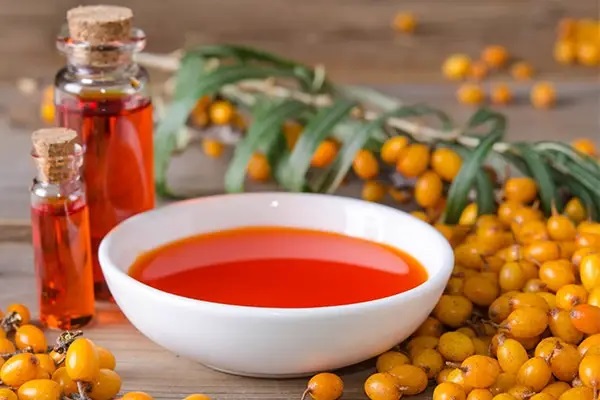
Sea buckthorn oil is one of nature’s most bioactive lipid ingredients — rich in rare fatty acids, carotenoids, tocopherols, and phytosterols. A study by Bai Lugen, Jing Li, Cai Xi, and colleagues at Jingbian County People’s Hospital investigated sea buckthorn oil’s effect on human gastric cancer cell proliferation, establishing a clear mechanism: P53 upregulation → BAX induction → BCL-2 suppression → apoptosis activation → tumor cell growth inhibition.
Gastric Cancer, P53, and the Search for Plant-Derived Bioactives
Gastric cancer remains one of the most prevalent malignancies worldwide, ranking among the top causes of cancer-related mortality — particularly in East Asian populations where incidence rates are highest. Despite advances in surgical and pharmacological treatment, the disease frequently presents at advanced stages, where conventional options offer limited benefit and significant side effects. This has intensified research into plant-derived bioactive compounds that can selectively suppress tumor cell growth while maintaining favorable safety profiles.
The P53 tumor suppressor gene sits at the center of cellular anticancer defense. Often called the “guardian of the genome,” P53 protein monitors cellular stress signals — DNA damage, oncogene activation, oxidative insults — and responds by halting cell cycle progression, activating DNA repair mechanisms, or triggering apoptosis. Mutations or suppression of P53 are found in over 50% of all human cancers, making the P53 pathway a primary target for cancer drug development. In gastric cancer specifically, P53 expression levels in tumor tissue have been shown to inversely correlate with disease stage and prognosis.
Sea buckthorn oil — extracted from the berries and seeds of Hippophae rhamnoides — has a centuries-long history of use in traditional medicine across Central Asia, Siberia, and China. Modern phytochemical analysis has confirmed that sea buckthorn oil is exceptionally rich in bioactive compounds: palmitoleic acid (omega-7), alpha-linolenic acid (omega-3), gamma-linolenic acid (omega-6), beta-carotene, lycopene, vitamin E tocopherols, and phytosterols. Prior research has demonstrated that sea buckthorn oil can inhibit the growth of colorectal cancer cells (HCT-116) and liver cancer cells, and that sea buckthorn flavonoids can inhibit SGC gastric cancer cell proliferation — but the precise mechanism in the widely used BGC-823 gastric cancer cell model had not been fully characterized. This study fills that gap.
Study focus: This study used the BGC-823 human gastric cancer cell line — one of the most widely employed models in gastric oncology research — to systematically test sea buckthorn oil’s antiproliferative activity across a dose-response range, and to identify the molecular mechanism via Western blot protein expression analysis of the P53/BCL-2/BAX apoptotic axis.
Study Design: Establishing Safe Solvent Conditions and Testing Anti-Proliferative Activity
Sea buckthorn oil is a lipophilic compound that requires a co-solvent for dissolution in aqueous cell culture media. The researchers first systematically evaluated DMSO (dimethyl sulfoxide) — the standard co-solvent for lipophilic bioactives — across a concentration gradient (0–10%) to determine the maximum safe DMSO concentration for BGC-823 cells.
| DMSO Concentration (%) | BGC-823 Cell Viability (OD value) | P vs. Control | Assessment |
|---|---|---|---|
| 0 (control) | 1.02 ± 0.08 | — | Baseline viability |
| 0.01 | 1.01 ± 0.02 | 0.417 (NS) | No significant effect — safe |
| ≤0.1 | ~1.03 | NS | Selected as safe upper limit for experiments |
| 0.5 | 0.91 ± 0.57 | 0.073 (NS) | Borderline — not selected |
| 1 | 0.85 ± 0.50 | 0.004* | Significant cytotoxicity — excluded |
| 2 | 0.62 ± 0.35 | <0.001* | Significant cytotoxicity — excluded |
| 5–10 | 0.28–0.12 | <0.001* | Severe toxicity — excluded |
Adapted from Bai Lugen et al. (2021). * = P<0.05 vs. control. DMSO ≤0.1% was confirmed as having no significant effect on BGC-823 cell viability and was selected as the co-solvent condition for all sea buckthorn oil experiments.
With a validated solvent system in place, sea buckthorn oil dissolved in ≤0.1% DMSO was tested at concentrations of 0, 1, 2, 5, 10, and 20 µg/mL against BGC-823 cells. Cells were pre-treated for 24 hours, then incubated with sea buckthorn oil for a further 24 hours, with CCK-8 assay used to quantify cell viability. For the Western blot mechanistic study, sea buckthorn oil was administered at 2, 5, 10, and 20 µg/mL following 12 hours of pre-conditioning.
Result 1: Sea Buckthorn Oil Dose-Dependently Suppresses BGC-823 Cell Proliferation
The CCK-8 proliferation assay yielded a clear and statistically robust dose-response relationship. Starting at 2 µg/mL, sea buckthorn oil produced significant inhibition of BGC-823 gastric cancer cell growth relative to the untreated control group — and inhibition intensified in a concentration-dependent manner up to 20 µg/mL.
| Sea Buckthorn Oil (µg/mL) | BGC-823 Cell Viability (OD) | t statistic | P value | Interpretation |
|---|---|---|---|---|
| 0 (control) | 1.07 ± 0.04 | — | — | Baseline proliferation |
| 1 | 0.97 ± 0.08 | 0.904 | 0.417 (NS) | Minimal effect at lowest dose |
| 2 | 0.72 ± 0.10 | 3.947 | 0.017* | Lowest effective dose — significant inhibition begins |
| 5 | 0.56 ± 0.06 | 7.964 | <0.001* | Strong proliferation suppression |
| 10 | 0.45 ± 0.09 | 8.193 | <0.001* | Marked inhibition — ~58% reduction in viability |
| 20 | 0.28 ± 0.06 | 12.603 | <0.001* | Maximum tested dose — ~74% reduction in viability |
Adapted from Bai Lugen et al. (2021). OD values measured by CCK-8 assay; all experiments repeated 3 times. * P<0.05 vs. control group.
Control Group (No Treatment)
- Cell viability OD: 1.07 ± 0.04
- BGC-823 cells proliferate freely
- No apoptotic stress markers
- Normal BCL-2 protection maintains cell survival
Sea Buckthorn Oil (20 µg/mL)
- Cell viability OD: 0.28 ± 0.06 — ~74% reduction
- Dose-dependent proliferation suppression from 2 µg/mL upward
- P53 protein expression markedly elevated
- BAX ↑, BCL-2 ↓ — pro-apoptotic balance achieved
Key insight: The dose-response curve reveals a consistent and reproducible antiproliferative effect beginning at just 2 µg/mL — a concentration achievable at physiologically relevant levels in functional food and nutraceutical contexts. As concentration rises from 2 to 20 µg/mL, BGC-823 cell viability drops from ~67% to ~26% of control, demonstrating a clear and statistically robust concentration-dependent inhibitory effect (P<0.001 at ≥5 µg/mL).
Result 2: Sea Buckthorn Oil Activates the P53/BAX/BCL-2 Apoptotic Axis
To identify the molecular mechanism underpinning the observed antiproliferative effect, the researchers used Western blot analysis to quantify protein expression of three key apoptotic regulators — P53, BCL-2, and BAX — after treatment with sea buckthorn oil at 2, 5, 10, and 20 µg/mL. Results at both the protein expression level were consistent and statistically significant.
| Sea Buckthorn Oil (µg/mL) | P53 Expression | P (vs. control) | BCL-2 Expression | P (vs. control) | BAX Expression | P (vs. control) |
|---|---|---|---|---|---|---|
| 0 (control) | 0.33 ± 0.09 | — | 0.80 ± 0.08 | — | 0.25 ± 0.05 | — |
| 2 | 0.37 ± 0.06 | 0.514 (NS) | 0.61 ± 0.05 | 0.022* | 0.44 ± 0.06 | 0.013* |
| 5 | 0.54 ± 0.06 | 0.030* | 0.55 ± 0.06 | 0.011* | 0.63 ± 0.06 | 0.001* |
| 10 | 0.59 ± 0.06 | 0.014* | 0.48 ± 0.08 | 0.008* | 0.77 ± 0.03 | <0.001* |
| 20 | 0.70 ± 0.47 | 0.003* | 0.33 ± 0.17 | <0.001* | 1.03 ± 0.13 | <0.001* |
Adapted from Bai Lugen et al. (2021). Protein expression measured by Western blot. * P<0.05 vs. control group. P53 upregulation begins to reach statistical significance at 5 µg/mL; BCL-2 suppression and BAX elevation are significant from 2 µg/mL onward. All experiments repeated 3 times.
P53 Upregulation
P53 protein expression rose from 0.33 (control) to 0.70 at 20 µg/mL — a 2.1-fold increase. As the guardian of the genome, P53 activation arrests the cell cycle and initiates apoptosis in response to cellular stress. Sea buckthorn oil restores this critical tumor-suppressive function.
BCL-2 Suppression
BCL-2 — the primary anti-apoptotic protein that keeps cancer cells alive by blocking mitochondrial cytochrome c release — dropped from 0.80 (control) to 0.33 at 20 µg/mL. This 59% reduction removes the “survival shield” that malignant cells rely on to evade programmed death.
BAX Induction
BAX — the pro-apoptotic protein that permeabilizes the mitochondrial outer membrane — surged from 0.25 (control) to 1.03 at 20 µg/mL — a 4.1-fold increase. Elevated BAX tips the apoptotic balance decisively toward cell death, activating the caspase cascade.
Favorable BAX/BCL-2 Ratio
The BAX/BCL-2 ratio — the net index of pro-death vs. pro-survival signaling — shifted dramatically in favor of apoptosis at all effective concentrations (2–20 µg/mL). This ratio shift is one of the most reliable molecular predictors of apoptotic commitment in cancer cells.
Coherent Dose-Response
The molecular data (Western blot) directly paralleled the cell viability data (CCK-8): concentrations producing greater proliferation inhibition also generated larger P53 elevation, deeper BCL-2 suppression, and higher BAX induction — confirming mechanistic coherence.
Safe Solvent Conditions
All antiproliferative effects were observed at ≤0.1% DMSO — a concentration rigorously confirmed to have no independent effect on BGC-823 viability. This validates that the observed effects are attributable specifically to sea buckthorn oil bioactives, not to the solvent vehicle.
The P53 Apoptotic Pathway: How Sea Buckthorn Oil Targets Gastric Cancer Cells
The study identifies a mechanistically coherent pathway through which sea buckthorn oil exerts its antiproliferative effects on gastric cancer cells. Understanding this pathway is key to appreciating both the scientific significance and the formulation potential of sea buckthorn oil as a functional ingredient.
P53 is activated in response to cellular stress signals — including those triggered by bioactive lipids and phytochemicals in sea buckthorn oil. Once P53 levels rise above a threshold, the protein transactivates pro-apoptotic target genes including BAX, which encodes a pore-forming protein that integrates into the outer mitochondrial membrane. BAX pores release cytochrome c from the mitochondria into the cytoplasm, where it assembles the apoptosome and activates executioner caspases (Caspase-9 → Caspase-3). In parallel, P53 activity and BAX expression both suppress BCL-2, the guardian anti-apoptotic protein that normally holds BAX in check. The net result is a coordinated collapse of cancer cell survival — programmed cell death with minimal bystander damage.
Clinical context of this pathway: The P53 signaling axis is the most frequently targeted pathway in all of oncology. Over half of all human cancers carry P53 mutations, and the Bcl-2 family proteins are validated drug targets for several approved cancer therapeutics (e.g., venetoclax). The finding that sea buckthorn oil activates this pathway in a plant-derived, multi-component lipid matrix — at concentrations achievable through dietary or supplemental intake — positions it as a compelling ingredient for cancer-supportive nutrition research.
Broader Context: Sea Buckthorn Oil’s Anti-Cancer Activity Across Cell Types
The findings from this study align with and extend a growing body of research on sea buckthorn oil’s antiproliferative properties across multiple cancer cell types. The authors situate this work within a consistent picture:
- Colorectal cancer (HCT-116): Prior research demonstrated that sea buckthorn berry extract and oil fractions can inhibit colorectal cancer cell proliferation and promote apoptosis — paralleling the P53/BAX/BCL-2 mechanism observed here.
- Liver cancer cells: Sea buckthorn oil was shown to inhibit liver cancer cell proliferation in experimental models, with researchers attributing the effect to its unusual fatty acid composition (particularly omega-7 palmitoleic acid) and carotenoid content.
- SGC gastric cancer cells: Sea buckthorn flavonoid extracts demonstrated inhibitory effects on SGC gastric cancer cell proliferation in earlier studies, providing converging evidence that sea buckthorn’s anti-gastric cancer activity operates across multiple molecular fractions and cell lines.
- Sea buckthorn oil ether extract: A parallel study by Lv Jianfeng et al. tested sea buckthorn oil ether extract on gastric cancer cells using CCK-8 and found that sea buckthorn oil ether extract could inhibit SGC7901 proliferation in a dose- and time-dependent manner — consistent with the present study’s findings on BGC-823 cells.
Collectively, these studies establish that sea buckthorn oil‘s antiproliferative activity is not limited to a single cell type or extract fraction, but represents a reproducible biological property attributable to multiple bioactive components working through coordinated molecular mechanisms.
B2B Formulation Applications: Sea Buckthorn Oil’s Research-Backed Functional Profile
The P53/BAX/BCL-2 mechanistic evidence from this study, combined with sea buckthorn oil’s broader bioactive profile, supports multiple commercial categories for sea buckthorn oil as a functional ingredient:
Cancer-Supportive Nutrition
The P53 pathway activation and apoptotic signaling data support positioning sea buckthorn oil in nutraceutical formulations designed to complement conventional oncology care — particularly for gastrointestinal cancer support and immune nutrition.
Functional Food & Dietary Supplements
Sea buckthorn oil’s broad bioactive profile — omega-3/6/7/9 fatty acids, carotenoids, tocopherols, phytosterols — makes it ideal for premium functional oils, softgel supplements, and fortified food products targeting cardiovascular, metabolic, and cellular health.
Cosmeceuticals & Skin Health
Sea buckthorn oil’s high palmitoleic acid (omega-7), carotenoid, and tocopherol content support skin barrier function, wound healing, and anti-aging applications. The oil’s anti-tumor properties add a layer of scientific credibility to topical and ingestible beauty-from-within positioning.
Cardiovascular Health
Rich in omega-3 alpha-linolenic acid, omega-7 palmitoleic acid, and phytosterols, sea buckthorn oil addresses multiple cardiovascular risk markers — lipid profile optimization, endothelial function, and oxidative stress reduction — in a single, research-backed ingredient.
Pharmaceutical Research APIs
The defined P53/BAX/BCL-2 mechanism, dose-response data, and established solvent protocols (≤0.1% DMSO) provide a structured platform for pharmaceutical researchers developing plant-derived anti-cancer compound libraries or screening programs.
Oncology Nutrition & Medical Foods
Sea buckthorn oil’s combination of anti-tumor bioactive evidence and its established roles in mucosal protection, anti-inflammatory action, and nutritional support positions it as a multi-functional ingredient in medical nutrition targeting oncology patients.
Why Sea Buckthorn Oil Is Bioactively Distinctive: Key Functional Components
Sea buckthorn oil — particularly berry pulp oil (Hippophae rhamnoides fruit oil) — is compositionally unique among plant-derived oils. Its multi-component bioactive profile is thought to underlie the observed anti-cancer effects through several converging mechanisms:
| Bioactive Component | Typical Level in Berry Oil | Proposed Role in Anti-Tumor Activity |
|---|---|---|
| Palmitoleic acid (C16:1, omega-7) | 30–40% | Modulates membrane fluidity, activates apoptotic signaling, anti-inflammatory |
| Alpha-linolenic acid (C18:3, omega-3) | 10–25% | Precursor to EPA/DHA; inhibits cancer cell proliferation via eicosanoid modulation |
| Beta-carotene & lycopene | High — distinctive orange color | Antioxidant, anti-proliferative; lycopene linked to reduced gastric cancer risk epidemiologically |
| Tocopherols (Vitamin E) | 200–600 mg/100g | Lipid antioxidant protection; tocotrienols have documented anti-cancer activity via HMG-CoA reductase inhibition |
| Phytosterols (beta-sitosterol) | Significant | Inhibits cancer cell proliferation, promotes apoptosis via P53 and Bcl-2/Bax pathways |
| Palmitic acid (C16:0) | 15–30% | Saturated fatty acid; structural membrane component; contributes to lipid signaling milieu |
Composition values are representative ranges for Hippophae rhamnoides berry pulp oil. Actual values vary by origin, harvest time, extraction method, and variety. Request CoA for verified fatty acid and phytochemical profiles.
Seed oil vs. berry pulp oil: Sea buckthorn produces two distinct oil fractions with different composition profiles. Seed oil is rich in omega-3 (alpha-linolenic) and omega-6 (linoleic) fatty acids and is essentially colorless. Berry pulp oil is rich in omega-7 (palmitoleic acid), beta-carotene, and lycopene — giving it the characteristic deep orange color — and is the fraction most associated with mucosal protection and anti-tumor properties in research literature. The study by Bai Lugen et al. used sea buckthorn oil without specifying the fraction; formulation decisions should align with the target application and bioactive profile requirements.
Frequently Asked Questions
What is sea buckthorn oil and what makes it bioactively distinctive?
Sea buckthorn oil is extracted from the berries and/or seeds of Hippophae rhamnoides, a thorny shrub native to Central Asia and China that thrives in cold, high-altitude environments. What makes it compositionally unique is its rare combination of omega-7 palmitoleic acid (one of the few plant sources of this fatty acid), omega-3 alpha-linolenic acid, high carotenoid content (beta-carotene, lycopene — responsible for the oil’s vivid orange color), vitamin E tocopherols and tocotrienols, and phytosterols. This unusually rich multi-component bioactive profile distinguishes sea buckthorn oil from most other plant-derived functional oils and underlies its wide range of documented biological activities — including the anti-proliferative effects documented in this study.
How does sea buckthorn oil affect gastric cancer cells specifically?
Based on this study, sea buckthorn oil suppresses BGC-823 human gastric cancer cell proliferation through the P53 signaling pathway. At concentrations of 2–20 µg/mL, sea buckthorn oil significantly upregulates P53 tumor suppressor protein, increases pro-apoptotic BAX protein expression, and suppresses anti-apoptotic BCL-2 protein expression. Together, these changes tilt the cell’s apoptotic balance toward programmed cell death — leading to dose-dependent proliferation inhibition. This mechanism aligns with findings in other cancer cell types (colorectal, liver, other gastric cancer lines) studied in earlier research.
What is the P53 signaling pathway and why is it important in cancer?
P53 is encoded by the TP53 gene and is the most commonly mutated gene in human cancers — found to be dysfunctional in over 50% of all malignancies. Under normal conditions, P53 protein levels are kept low by MDM2-mediated ubiquitin degradation. When cells experience DNA damage, oncogenic stress, oxidative insult, or exposure to bioactive compounds, P53 stabilizes and accumulates, then acts as a transcription factor to upregulate genes involved in cell cycle arrest (p21), DNA repair, and — when damage is irreparable — apoptosis. Key P53 apoptotic targets include BAX (pro-apoptotic) and PUMA, while P53 activity also suppresses BCL-2 (anti-apoptotic) expression. This P53 → BAX↑/BCL-2↓ → apoptosis cascade is exactly what this study documents in sea buckthorn oil-treated gastric cancer cells.
What is the difference between sea buckthorn berry oil and seed oil for B2B formulation?
Berry pulp oil (from the fleshy part of the fruit) is the orange-colored fraction, rich in palmitoleic acid (omega-7, typically 30–40%), beta-carotene, lycopene, and other carotenoids. It is more commonly referenced in anti-cancer, skin health, and mucosal protection applications. Seed oil (cold-pressed from sea buckthorn seeds) is lighter in color and higher in alpha-linolenic acid (omega-3) and linoleic acid (omega-6). Both fractions contain tocopherols, phytosterols, and various bioactive minor lipids — but in different proportions. For anti-cancer research and functional food applications aligned with the P53 pathway findings, berry pulp oil (or a combined whole-berry oil) is typically the more relevant choice. Request full GC fatty acid profiles and carotenoid assays when evaluating suppliers.
What are the key quality parameters to evaluate when sourcing sea buckthorn oil for B2B applications?
Key sourcing parameters include: (1) Fatty acid profile (GC analysis) — verify omega-7 palmitoleic acid content for berry oil, or omega-3/6 balance for seed oil; (2) Carotenoid content — total carotenoids and beta-carotene by spectrophotometric or HPLC analysis; (3) Tocopherol content — HPLC vitamin E fractionation; (4) Oxidative stability — peroxide value (PV), anisidine value (AnV), and TOTOX; sea buckthorn oil is rich in unsaturated fatty acids and carotenoids, making oxidative management critical; (5) Heavy metals and microbiology — full CoA including Pb, Cd, As, Hg, and microbiological specifications; (6) Extraction method — CO₂ supercritical extraction preserves thermolabile carotenoids and avoids solvent residues; cold-press is the standard for seed oil; (7) Origin and certification — GMP certification, non-GMO status, and origin traceability are increasingly important for premium supplement positioning.
Is sea buckthorn oil safe and are there any known interactions?
Sea buckthorn oil has a long history of traditional use and a strong safety profile in dietary supplement and cosmetic applications. The co-solvent safety study in this paper (confirming that DMSO ≤0.1% — used to dissolve sea buckthorn oil — has no effect on cell viability) is part of standard in vitro methodology and does not directly translate to oral supplementation. At typical dietary supplement doses (1–5 mL/day of berry oil), sea buckthorn oil is well-tolerated. The oil’s high carotenoid content can cause a temporary orange tinge to skin at very high doses (carotenodermia), which is harmless and reversible. Individuals on anticoagulant therapy should consult a healthcare provider, as omega-3 fatty acids may have mild antiplatelet effects. For B2B pharmaceutical or clinical nutrition applications, formulators should conduct appropriate safety assessments consistent with local regulatory requirements.
Source Bulk Sea Buckthorn Oil for Your Formulation
TongyuBio supplies bulk sea buckthorn oil — both berry pulp oil and seed oil — with full GC fatty acid profiles, carotenoid assay, tocopherol analysis, and comprehensive CoA documentation. SC-CO₂ extraction available. Suitable for nutraceuticals, functional foods, cosmeceuticals, and pharmaceutical research. Worldwide B2B shipping, flexible MOQ.
Bai Lugen, Jing Li, Cai Xi, et al. Inhibition Effects of Seabuckthorn Oil on the Proliferation of Human Gastric Cancer Cells and Its Mechanism (沙棘油抑制人胃癌细胞增殖及其机制的研究). Journal of Changzhi Medical College (长治医学院学报). 2021, 35(4): 245–248. CLC: R735.2; ISSN 1006-4044.
Funded by: 2019 Jingbian County Science and Technology Cooperation Research Program (No. 20190111). Department of Laboratory Medicine, Jingbian County People’s Hospital, Jingbian 718500; Department of Radiotherapy, Jingbian County Hospital; Jingbian Traditional Chinese Medicine Hospital.
Key References Cited in the Study
Zhang L, et al. Clinical value of 3D laparoscopic system in gastrointestinal cancer surgery: a preliminary exploration. Chinese Journal of General Surgery. 2020;19(6):644–652.
Yang Z, et al. Research progress in targeted drug development for P53 mutant tumors. Journal of Nanjing Agricultural University. 2020;168(6):60–66.
Zhao J, Wang DW, et al. P53 gene detection and clinical significance in gastric cancer tissue and cardia cancer. Chinese Journal of Surgery. 2020;40(6):1170–1172.
Lu Q. Seabuckthorn oil (沙棘油). Chinese Journal of Pharmacology. 1989;14(1):57–59.
Jiang P. Study on the inhibitory mechanism of sea buckthorn oil on colorectal cancer HCT-116 cell growth and migration [D]. Shaanxi Normal University. 2004.
Wang X. Experimental study on the effect of sea buckthorn extract on colorectal cancer HCT-116 cell proliferation and transfer [D]. Inner Mongolia Medical University. 2015.
Wang MF, et al. Exploration of the distribution characteristics and screening significance of apoptosis-related gene clusters in gastric cancer. Chinese Journal of Whole Medicine. 2020;648(21):57–62.
Wei MH, Wang F, et al. Cooperative role of P53 and apoptosis in angiogenesis and tumor suppression. Genetics. 2012(12):1513–1521.
Zhu H. Effect of drugs and blood components on P53 and Bcl-2 in preoperative gastric cancer SGC-7901 cells. Chinese Journal of Integrative Medicine. 2011(3):629–630.
Fang R, et al. Impact of tanreqing injection on P53 protein under-expression and BCL-2 protein expression of gastric cancer MGC-803 cells. Chinese Journal of Rapid Medicine. 2019;35(12):1278–1280.
Xue XM, et al. Study on seabuckthorn oil against H22 tumor. Journal of Liaoning University (Natural Sciences). 2019(35):73–75.
Lv Jianfeng, et al. Study on the pharmacological behavior of Inner Mongolia sea buckthorn ether extract on gastric cancer cells [D]. Inner Mongolia Medical University. 2019.
Tan ZJ, et al. Preliminary study on inhibitory effect of sea buckthorn oil on mouse tumor cells. Chinese Journal of Medical Guidelines. 2013(6):68–69.
