

Astaxanthin + Lutein Ester Blue-Light Complex
October 11, 2026
Hemp Seed Oil Fatty Acids: Total vs sn-2 Position Analysis
November 1, 2026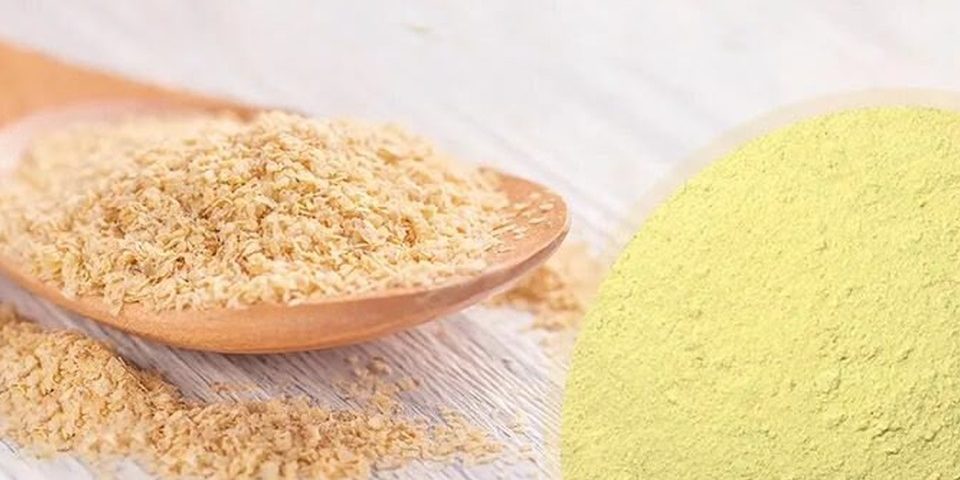
What Is Spermidine?
Spermidine is a polyamine that occurs naturally in living organisms and in everyday foods such as wheat germ, mushrooms, and soybeans. It participates in basic metabolic activities like cell growth and division.
Levels of spermidine in the human body decline gradually with age — roughly in step with the aging process itself. This correlation is precisely why it has become one of the most intensively studied anti-aging ingredients of the past decade, and why product developers across nutraceutical and cosmeceutical categories are racing to build it into their pipelines.
But market heat is one thing — getting a product to shelf is another. Raw material sourcing, formulation, and compliance are the three gates every spermidine product must pass. This guide walks through all three.
Key finding: Spermidine’s most celebrated mechanism is inducing autophagy — the cell’s self-cleaning process that removes damaged organelles and misfolded proteins. The foundational autophagy research won the 2016 Nobel Prize in Physiology or Medicine.
The Anti-Aging Mechanism: Autophagy
Studies indicate that spermidine activates the SIRT1 signaling pathway and promotes expression of autophagy-related proteins such as LC3, helping cells degrade damaged mitochondria and abnormal proteins to slow the aging process.
Beyond autophagy, spermidine has also been associated with a broader set of physiological activities relevant to healthy-aging formulations:
- Cardiovascular protection
- Gut microbiota regulation
- Neuroprotection via BDNF pathway activation
Sourcing: Natural Extraction vs. Synthetic Spermidine
There are two sourcing routes for spermidine raw material: natural extraction and chemical synthesis or microbial fermentation. The route you choose directly determines your product positioning, cost structure, and marketing claims.
Natural Extraction
- Complete polyamine spectrum (spermidine + putrescine + spermine)
- Identical to endogenous human structure — high bioavailability
- Transparent origin, batch-by-batch testing
- Supports GRAS, Vegan, Halal, Kosher certifications
- Relatively higher raw material cost
- Best for: premium nutraceutical & anti-aging brands
Synthetic / Fermentation
- Lower cost
- Established industrial process
- Single compound (spermidine trihydrochloride) — no polyamine synergy
- Chemically modified structure; uptake efficiency not fully validated
- Possible solvent residues; limited long-term safety evidence
- Best for: cost-driven commodity formulations
The Cost Argument, Reconsidered
- Typical human research doses are only 1–3 mg/day — spermidine is used at vanishingly small inclusion rates
- At these levels, the per-unit cost gap between natural and synthetic has limited impact on the end product’s bill of materials
- The polyamine synergy of natural extract delivers stronger antioxidant, anti-inflammatory, and autophagy effects
- Net result: for most premium positioning, natural extraction wins on both label and margin
| Dimension | Natural Extraction | Synthetic / Fermentation |
|---|---|---|
| Source & process | Directed extraction & concentration from wheat germ, rice germ, etc. | Chemical synthesis or fermentation, requiring further purification |
| Composition | Complete polyamine spectrum — synergistic | Single compound (trihydrochloride) |
| Structure & absorption | Identical to endogenous structure; high bioavailability | Chemically modified; efficiency not fully validated |
| Safety & certification | Transparent origin; supports GRAS, Vegan, Halal, Kosher | Possible solvent residues; limited long-term evidence |
| Efficacy | Polyamine synergy — stronger antioxidant, anti-inflammatory, autophagy effects | No synergistic co-factors; limited clinical validation |
| Cost | Relatively higher | Lower — but negligible at 1–3 mg/day inclusion |
TongyuBio’s Spermidine Raw Material Advantage
TongyuBio’s spermidine is primarily a wheat germ extract, with rice germ–derived material also available, in specifications of 0.2%, 0.5%, and 1.0% (HPLC). The value comes down to three points:
Consistent Purity
Active content is tested batch by batch against clear specifications — giving your finished product a solid efficacy foundation.
Process & Activity
Directed extraction preserves the natural polyamine spectrum and activity, delivering stronger bioavailability than single-compound synthetics.
Full-Chain Quality Control
From incoming raw material to finished goods, every batch is tested for purity, activity, and microbiology — minimizing quality variation. Scaled production and a stable supply chain keep pricing competitive.
Formulation Guidance
Formulas by Age Segment
Different age groups show different signs of aging, so formulation priorities differ. Three common approaches (final dosages should be validated against your dosage form and target market):
25–30 · Antioxidant & Cell Vitality
Spermidine + Ergothioneine + Vitamin C
30–40 · Cellular Energy & Skin Repair
Spermidine + PQQ + Collagen Peptides
40+ · Comprehensive Anti-Aging
Spermidine + Resveratrol + NAD⁺ precursor (e.g., NR)
Synergistic Combinations
Spermidine pairs well with complementary actives — the two classic pairings work on parallel biological lines:
- With PQQ: PQQ activates the PGC-1α pathway to drive mitochondrial biogenesis, while spermidine activates SIRT1 to induce autophagy and clear damaged mitochondria — one manages energy supply, the other cellular housekeeping. Classic combination: 4 mg spermidine + 5 mg PQQ per capsule, for low-energy, fatigue-prone consumers.
- With Resveratrol: Resveratrol activates the Sirtuin longevity protein family, working at the level of gene expression and inflammation, while spermidine handles internal clean-up via autophagy — two complementary lines of action. Classic combination: 3 mg spermidine + 30 mg resveratrol per tablet, for consumers showing early signs of aging.
TongyuBio’s One-Stop Solution
TongyuBio packages raw material supply, formulation development, compliance consulting, production guidance, and logistics into a single service — so you don’t have to coordinate four or five suppliers:
Raw Materials
Stable supply of high-purity natural spermidine from wheat germ and rice germ, with custom specifications supported.
Formulation
Age-segment and dosage-form recommendations from our R&D team, with mechanism-of-action documentation.
Compliance
Tracking of domestic and international regulatory developments, with market-entry pathway interpretation.
Production
Process parameters and QC checkpoints for softgels, tablets, and oral liquids.
Logistics
Safe, on-time delivery of raw materials and finished products to domestic and international customers.
⚠️ Formulator note: Formulation examples above are for reference only. Final dosages must be validated for your dosage form, manufacturing process, and target market regulations — EU novel food status, US dietary supplement rules, and China’s health food registry each carry different requirements.
Frequently Asked Questions
What is spermidine and where does it come from naturally?
Spermidine is a naturally occurring polyamine found in the human body and in everyday foods such as wheat germ, mushrooms, and soybeans. It participates in fundamental cellular processes including cell growth and division. Commercial natural spermidine is typically extracted and concentrated from wheat germ or rice germ.
Why is spermidine considered an anti-aging ingredient?
Its best-known mechanism is induction of autophagy — the cellular self-cleaning process that removes damaged organelles and misfolded proteins. Autophagy research was awarded the 2016 Nobel Prize in Physiology or Medicine. Studies suggest spermidine activates the SIRT1 pathway and promotes expression of autophagy-related proteins such as LC3, helping cells degrade damaged mitochondria and abnormal proteins.
Natural extraction vs. synthetic spermidine — which should I choose?
Naturally extracted spermidine offers a complete polyamine spectrum (spermidine, putrescine, spermine), matches the body’s endogenous structure, and supports certifications such as GRAS, Vegan, Halal, and Kosher. Synthetic spermidine (usually as trihydrochloride) is cheaper but is a single chemically modified compound with less clinical validation. At typical human doses of 1–3 mg/day, the cost difference has limited impact on the end product.
What specifications does TongyuBio offer?
TongyuBio supplies natural spermidine primarily from wheat germ extract, with rice germ source also available, in specifications of 0.2%, 0.5%, and 1.0% (HPLC), with batch-by-batch testing for purity, activity, and microbiology. Custom specifications are supported.
What is the typical dosage in finished products?
Common doses used in human research range from approximately 1–3 mg per day. Example formulations include a softgel with 3 mg spermidine + 20 mg ergothioneine + 100 mg vitamin C, or a tablet with 4 mg spermidine + 5 mg PQQ + 1000 mg collagen peptides.
Source Premium Natural Spermidine
TongyuBio supplies natural spermidine in 0.2%, 0.5%, and 1.0% (HPLC) specifications — batch-tested purity, full documentation, B2B volumes and samples available.
Request Spermidine Sample → Talk to our ingredient specialists about formulation supportReferences
- Credence Research. Global Spermidine Market Report — market size estimates for 2024 and projection to 2032.
- Nobel Prize in Physiology or Medicine 2016 — awarded for discoveries on autophagy mechanisms (Yoshinori Ohsumi).
- European Commission. Novel Food catalogue — spermidine novel food status (2017).
- Peer-reviewed literature on spermidine, SIRT1 activation, LC3 expression, and autophagy induction.
- Peer-reviewed literature on PQQ / PGC-1α mitochondrial biogenesis and resveratrol / Sirtuin activation.
Note: Formulation examples are for reference only. Final dosages should be validated for your dosage form, manufacturing process, and target market regulations.
