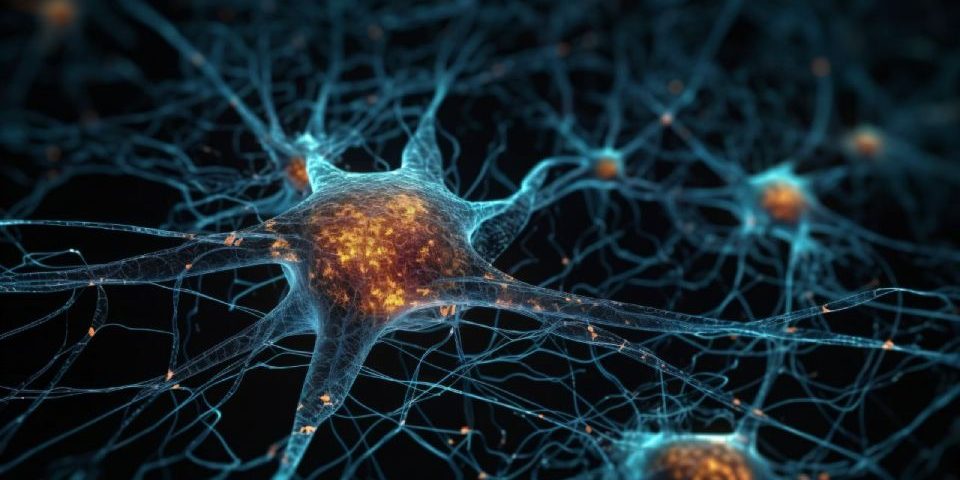
The pathological characteristics of Parkinson's disease (PD) are mainly manifested by the selective degeneration and necrosis of substantia nigra dopaminergic neurons, as well as the abnormal accumulation of α-synuclein in the substantia nigra pars compacta.
Clinical manifestations mainly include resting tremor, bradykinesia, muscle rigidity, and postural instability. With the progression of the disease, PD patients may also experience non-motor symptoms such as malnutrition, constipation, orthostatic hypotension, memory loss, depression, pain, and sleep disorders.
Current clinical treatment mainly relies on levodopa, but this drug must be taken long-term, with obvious adverse reactions. Long-term use may lead to serious consequences (e.g., aggravated symptoms after drug withdrawal).
Therefore, developing new therapeutic strategies that can delay or prevent the progression of PD has become a key focus and urgent need of current research. In recent years, literature has reported that glycosides of Cistanche (GCs) exert neuroprotective effects such as inhibiting lipid peroxidation, improving mitochondrial function, anti-neuroinflammation, and anti-apoptosis.
Thus, GCs may serve as an effective neuroprotective agent in PD, which is worthy of in-depth research. This article reviews the pathogenic mechanism of PD and explores whether the biological effects of GCs can affect these mechanisms.
Cistanche is the dried fleshy stem with scale leaves of Cistanche deserticola Y.C.Ma or Cistanche tubulosa (Schenk) Wight (Orobanchaceae family), which has a variety of therapeutic effects. It is used for symptoms such as kidney yang deficiency, essence and blood depletion, impotence and infertility, soreness and weakness of waist and knees, lack of physical strength, and intestinal dryness constipation.
As one of the popular edible and medicinal plants, Cistanche is often used as a health food supplement in China, Japan, and Southeast Asia. Among them, GCs are the main active extract of Cistanche. Studies have shown that GCs can significantly improve the neurobehavior of PD model mice, and inhibit the reduction in the number of midbrain substantia nigra DA neurons and the decrease in TH expression in the striatum.
In addition, GCs have various biological activities, including hepatoprotection, neuroprotection, antioxidant activity, and memory improvement.
Oxidative stress refers to a pathological state where the balance between free radicals (e.g., reactive oxygen species, ROS) and antioxidants in the body is disrupted, leading to excessive accumulation of free radicals and subsequent damage to cells and tissues. Free radicals are highly reactive molecules with unpaired electrons, and their strong reactivity can damage biological macromolecules such as DNA, proteins, and lipids.
Studies have found that GCs can regulate the oxidative stress response by activating the nuclear factor erythroid 2-related factor 2 (Nrf2)/Kelch-like epichlorohydrin-associated protein 1 (Keap1) pathway. In the ischemia/reperfusion injury model, GCs can reduce brain damage, promote neural remodeling, and maintain the integrity of the blood-brain barrier.
In addition, GCs can significantly reduce the content of malondialdehyde (MDA) in brain tissue, while increasing the activities of antioxidant enzymes such as superoxide dismutase (SOD), catalase (CAT), and glutathione peroxidase (GSH-Px). Scientists have found that GCs treatment significantly increased the activities of SOD and GSH-Px and decreased the level of MDA in diabetic rats, thereby effectively alleviating oxidative stress damage.
Domestic scholars have shown that GCs can improve the learning and cognitive functions of Alzheimer's disease model rats, which may be achieved by inhibiting oxidative stress and thus enhancing synaptic plasticity.
In summary, GCs exert antioxidative stress effects through multiple mechanisms, including activating the Nrf2/Keap1 signaling pathway, enhancing antioxidant enzyme activity, reducing lipid peroxidation, maintaining blood-brain barrier integrity, and promoting neural remodeling.
These mechanisms work synergistically to form an antioxidative stress network of GCs, providing a solid theoretical basis for their application in neuroprotection and cognitive function improvement.
Apoptosis is a form of programmed cell death, a physiological mechanism by which cells autonomously and orderly terminate their life processes. It plays a key role in normal organism development, tissue maintenance, and response to injury. Unlike necrosis, apoptosis is a highly active and controlled process that usually does not trigger an inflammatory response.
Apoptotic mechanisms mainly include the death receptor-mediated extrinsic pathway and the mitochondria-mediated intrinsic pathway. The extrinsic pathway triggers downstream caspase cascade reactions through the activation of death receptors (e.g., Fas receptor); the intrinsic pathway mainly relies on mitochondria to release cytochrome c to activate caspases, ultimately leading to cytoskeleton degradation, DNA fragmentation, and cell death.
These mechanisms ensure that cells can terminate themselves in a safe and effective manner without damaging surrounding cells and tissues.
Scientists have found that GCs treatment can significantly reduce the number of apoptosis-positive cells in a rat model of middle cerebral artery occlusion, and decrease the expression levels of apoptotic protein (Bax) and caspase-3.
At the same time, GCs can significantly increase the B-cell lymphoma-2 (Bcl-2)/Bax protein ratio, indicating that it can inhibit the process of apoptosis by regulating the expression of apoptosis-related proteins.
GCs inhibit apoptosis and exert neuroprotective effects through multiple mechanisms: regulating the cell cycle, downregulating the expression of Bax and caspase-3, increasing the Bcl-2/Bax ratio, and protecting dopaminergic neurons. These anti-apoptotic effects provide an important theoretical basis for their application in the treatment of neurodegenerative diseases, especially Parkinson's disease.
3. Anti-Neuroinflammation
Neuroinflammation refers to the inflammatory response occurring in the central nervous system, mainly involving neuroimmune cells such as microglia and astrocytes. Its inducing factors include infection, trauma, toxin exposure, and neurodegenerative diseases (e.g., Alzheimer's disease and Parkinson's disease).
Under pathological conditions, microglia and astrocytes are overactivated, releasing a large number of inflammatory mediators such as pro-inflammatory cytokines, chemokines, and reactive oxygen species.
These mediators not only cause damage to the blood-brain barrier and promote the infiltration of peripheral immune cells but also directly lead to neuronal damage or even death. Although neuroinflammation helps the nervous system resist pathogens, it may also lead to chronic inflammation and neurodegeneration.
Studies have shown that GCs can significantly reduce the secretion levels of pro-inflammatory factors tumor necrosis factor-α (TNF-α) and interleukin-6 (IL-6) in the ischemia/reperfusion injury model. GCs can effectively inhibit the activation of the nuclear factor kappa-B (NF-κB) signaling pathway, and simultaneously downregulate the expression levels of excitatory amino acids, Tau protein, P-tau protein, and Aβ amyloid protein in the hippocampal region of rat brain tissue.
GCs inhibit neuroinflammation by reducing the production of pro-inflammatory factors TNF-α, IL-6, and IL-1β, blocking the NF-κB signaling pathway, and regulating the abnormal expression of Tau protein, P-tau protein, and Aβ amyloid protein. These evidences indicate the multi-target anti-inflammatory effect of GCs, providing an important theoretical basis for their application in the field of neurodegenerative disease treatment.
As the main active component of Cistanche, GCs also have multiple pharmacological effects such as regulating mitochondrial function, improving intestinal flora imbalance, and preventing and treating osteoporosis. GCs can interfere with the oxidative phosphorylation process of mitochondria, leading to disorders of cellular energy metabolism, thereby inhibiting the proliferation of HepG2 cells.
GCs significantly regulate the composition of intestinal microorganisms, especially the bacterial abundance of Erysipelotrichaceae, Peptococcaceae, and Muribaculaceae families, thereby effectively reducing the overactivation of the hypothalamic-pituitary-adrenal axis, alleviating intestinal low-grade inflammation, and repairing mucosal barrier damage. GCs can promote bone formation in SAMP6 mice by regulating the Wnt/β-catenin signaling pathway, suggesting that it is expected to become a potential bone-protective therapeutic drug for osteoporosis.