
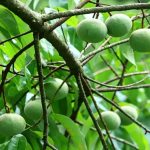
Malania Oleifera Seed Oil: A Premium Plant Source of Nervonic Acid
April 24, 2026
High Oleic Sunflower Oil vs Camellia Oil: A Science-Backed Comparison
April 26, 2026
Plant Extract Science
In a head-to-head comparison of 11 vegetable oils — from olive to avocado to soybean — one seed oil stood apart: Eucommia ulmoides seed oil ranked #1 in DPPH radical scavenging and #1 in FRAP reducing power, while delivering the highest alpha-linolenic acid content (61%) of any oil tested.
Eucommia ulmoides (杜仲) is a unique tree species native to China, widely valued in traditional medicine and natural rubber production. Its seeds yield an oil remarkably rich in alpha-linolenic acid (ALA, C18:3) — an essential ω-3 fatty acid that the human body cannot synthesize in sufficient quantities. Scientific studies have confirmed Eucommia seed oil’s antihypertensive, lipid-lowering, neuroprotective, anti-allergic, and anti-tumor properties, making it a premium ingredient for nutraceutical and functional food formulations.
Highest among 11 oils
Antioxidant Capacity
In crude seed oil
From whole seed
Background
What Is Eucommia Seed Oil?
Eucommia ulmoides (杜仲) is an economically important tree species endemic to China. While its bark and leaves have been used for centuries in traditional Chinese medicine, the seeds — which account for approximately 28% kernel yield and 27% oil extraction rate — have only recently gained attention for their remarkable nutritional composition.
In 2017, Eucommia seed oil was officially approved as a new resource food in China, joining other premium botanical oils such as sacha inchi oil, peony seed oil, and tea seed oil. A landmark comparative study published in China Oils and Fats (Liu et al., 2020) evaluated Eucommia seed oil alongside 10 other vegetable oils — including olive, avocado, peanut, soybean, and corn oil — assessing both fatty acid composition and antioxidant activity through three internationally recognized methods.
The results were striking: Eucommia seed oil ranked first in both DPPH radical scavenging (IC50 = 0.023 g/mL) and FRAP reducing power, while also boasting the highest alpha-linolenic acid content at 61% — far surpassing common cooking oils and even other new resource food oils.
Nutritional Profile
Fatty Acid Composition
The fatty acid profile of Eucommia seed oil is dominated by polyunsaturated fatty acids, with alpha-linolenic acid (ALA, ω-3) accounting for 61.04% of total fatty acids — significantly higher than flaxseed oil (~50%), perilla oil (~58%), or any common cooking oil. It also contains meaningful amounts of linoleic acid (LA, ω-6, 12.60%) and oleic acid (OA, ω-9, 17.80%).
| Fatty Acid | Chain | Type | Content (%) |
|---|---|---|---|
| Alpha-Linolenic Acid (ALA) | C18:3 | ω-3 PUFA | 61.04 |
| Oleic Acid (OA) | C18:1 | ω-9 MUFA | 17.80 |
| Linoleic Acid (LA) | C18:2 | ω-6 PUFA | 12.60 |
| Palmitic Acid | C16:0 | SFA | 6.29 |
| Stearic Acid | C18:0 | SFA | 2.13 |
| Myristic Acid | C14:0 | SFA | 0.40 |
Comparative Study
Eucommia Seed Oil vs. 10 Other Vegetable Oils
In a systematic comparison (Liu et al., 2020), 11 vegetable oils were analyzed by GC-MS for fatty acid composition and tested for antioxidant capacity using three internationally validated methods. The study covered 4 new resource food oils (Eucommia seed oil, sacha inchi oil, peony seed oil, tea seed oil), 2 premium oils (olive oil, avocado oil), and 5 common cooking oils (peanut, soybean, sunflower, corn, rapeseed oil).
Alpha-Linolenic Acid (ω-3) Content Across 11 Oils
| Oil | ALA (% / g/100g) | PUFA (%) | SFA (%) |
|---|---|---|---|
| Eucommia Seed Oil | 53.78 | 67.19 | 12.54 |
| Sacha Inchi Oil | 41.22 | 78.83 | 9.33 |
| Peony Seed Oil | 38.53 | 65.58 | 10.05 |
| Rapeseed Oil | 8.67 | 26.78 | 8.40 |
| Soybean Oil | 6.95 | 54.35 | 18.82 |
| Corn Oil | 1.02 | 52.72 | 17.01 |
| Avocado Oil | 0.75 | 13.93 | 17.49 |
| Olive Oil | 0.72 | 6.79 | 18.66 |
| Peanut Oil | 0.11 | 31.48 | 25.09 |
Antioxidant Science
Antioxidant Capacity: Three Proven Methods
Antioxidant activity is a critical quality indicator for edible oils. The study employed three internationally recognized methods — DPPH radical scavenging (whole oil), ABTS radical cation scavenging (polar extract), and FRAP ferric reducing power (polar extract). Eucommia seed oil demonstrated outstanding performance across all three assays.
DPPH Radical Scavenging (IC50)
Lower IC50 values indicate stronger scavenging ability. Eucommia seed oil achieved the lowest IC50 (0.023 g/mL) — 2.4× more potent than sacha inchi oil (0.055 g/mL) and 17× more potent than tea seed oil (0.398 g/mL).
| Rank | Oil | IC50 (g/mL) |
|---|---|---|
| 1 | Eucommia Seed Oil | 0.023 |
| 2 | Sacha Inchi Oil | 0.055 |
| 3 | Corn Oil | 0.071 |
| 4 | Soybean Oil | 0.086 |
| 5 | Sunflower Oil | 0.118 |
ABTS Radical Scavenging
Measured as Trolox equivalent (μmol/100g). Higher values = stronger activity.
Ranking: Olive oil > Rapeseed oil > Eucommia seed oil (3rd) > Soybean oil > Corn oil > Sacha inchi oil
FRAP Reducing Power
Measured as Trolox equivalent (μmol/100g). Higher values = stronger activity.
Ranking: Eucommia seed oil (1st) > Sacha inchi oil > Rapeseed oil > Olive oil > Corn oil
Health Science
Proven Health Benefits of ALA-Rich Eucommia Seed Oil
Alpha-linolenic acid (ALA) is an essential ω-3 fatty acid recognized by the FAO as a necessary component of the human diet. In the body, ALA is metabolized through the ω-3 pathway: ALA (C18:3) → EPA (C20:5) → DHA (C22:6). These metabolites are critical structural components of brain, retinal, and neural cell membrane phospholipids. Decades of research have documented six major health benefits.
🏥 Blood Pressure Reduction
Clinical trials demonstrated that increasing dietary ALA by just 1% reduced mean arterial pressure by 667 Pa. In animal studies, young rats fed ALA-rich oil showed 10% lower systolic blood pressure compared to linoleic acid-fed controls.
🧊 Lipid Lowering & Anti-Thrombotic
ALA supplementation reduced plasma cholesterol and triglycerides by up to 70% in deficient patients. Its metabolite EPA lowers blood lipids and inhibits platelet aggregation, helping prevent cerebral thrombosis and myocardial infarction.
🧠 Brain & Retinal Development
DHA — the key ALA metabolite — is a primary component of brain and retinal phospholipids. Studies confirmed that ALA supplementation improves learning, memory, maze performance, and retinal DHA levels. Essential for pregnant women and infants.
💊 Anti-Allergic Properties
ALA reduces AA (arachidonic acid) content in leukocyte and mast cell membranes, thereby decreasing inflammatory mediator (LT4) release during allergic reactions. EPA also inhibits platelet-activating factor (PAF).
🛡️ Anti-Tumor Activity
Studies showed ALA inhibits breast cancer growth, reduces PGE synthesis, and suppresses lung metastasis of ascites tumors. ALA and its selenized derivatives also exhibit dose-dependent cytotoxic effects on liver cancer cells (BEL-7402).
🧐 Anti-Aging & Cognitive Support
ALA is a structural component of biological membranes across all tissues and a precursor to prostaglandin synthesis. Regular ALA intake helps maintain normal metabolic function, prevents senile dementia, and supports overall brain function in aging populations.
Nutritional Gap
Why Alpha-Linolenic Acid Is Critically Deficient
The average urban resident consumes approximately 17 g of vegetable oil per day. Common oils such as soybean oil and rapeseed oil contain only about 7–9% ALA, yielding a daily ALA intake of roughly 1.7 g — far below the level needed to exert meaningful physiological effects such as enhancing learning memory, preventing cardiovascular disease, or managing allergies.
While dietary linoleic acid (ω-6) intake is generally adequate, ALA (ω-3) is critically deficient in most modern diets. The ω-6 to ω-3 imbalance has been linked to increased inflammation, cardiovascular risk, and metabolic disorders.
Key Insight: ALA and linoleic acid cannot be interconverted in human metabolism — they must both be obtained from the diet. A healthy person metabolizing ALA produces approximately 15% EPA and 5% DHA, meaning direct ALA supplementation from a concentrated source like Eucommia seed oil is the most efficient strategy to boost ω-3 levels.
Summary
Key Takeaways
Richest ALA Source
61% ALA — the highest among all tested vegetable oils, exceeding flaxseed and perilla oil.
#1 Antioxidant Power
Ranked first in DPPH scavenging and FRAP reducing power among 11 vegetable oils tested.
6 Proven Health Benefits
Blood pressure, lipid control, brain development, anti-allergy, anti-tumor, and anti-aging effects.
Premium Ingredient
Approved as a new resource food in China; ideal for nutraceuticals, functional foods, and dietary supplements.
FAQ
Frequently Asked Questions
Evidence Base
References
| # | Study | Key Finding |
|---|---|---|
| 1 | Liu Y, et al. China Oils and Fats. 2020; 45(10):52–57 | Comparison of fatty acid composition & antioxidant activity of 11 vegetable oils |
| 2 | Dong JE, et al. J Northwest For Univ. 2002; 17(2):73–75 | ALA content and physiological functions in Eucommia seed oil |
| 3 | Bjerve KS, et al. Am J Clin Nutr. 1987; 46(4):570–576 | ALA deficiency in humans and effect of ethyl linolenate supplementation |
| 4 | Shimokawa T, et al. Life Sci. 1988; 43(25):2067 | Effect of ALA/linoleate balance on blood pressure in hypertensive rats |
| 5 | Huang JH, et al. China Oils and Fats. 2017; 42(4):28–31 | Free radical scavenging of plant oil methanol extracts and correlation with polyphenols |
| 6 | Xie LT, Huang JQ. Chin J Clin Oncol. 1998; 25(7):501 | Cytotoxic effects of unsaturated fatty acids on BEL-7402 liver cancer cells |
Source Premium Eucommia Seed Oil
Looking for a high-ALA botanical ingredient backed by science? TongyuBio supplies bulk Eucommia ulmoides seed oil with full quality documentation and traceability.
Request a SampleDisclaimer: The information provided in this article is for educational and informational purposes only and does not constitute medical advice, diagnosis, or treatment. Product statements have not been evaluated by the FDA or EFSA. Always consult qualified professionals before using any botanical ingredient in food, supplement, or cosmetic formulations. Data sourced from peer-reviewed publications; individual results may vary.
