
How Ganoderma Lucidum Spore Oil Fights Tumor Growth: A 4-Step Biological Overview
April 11, 2026
How Astaxanthin Protects Against Diabetic Nephropathy?
April 19, 2026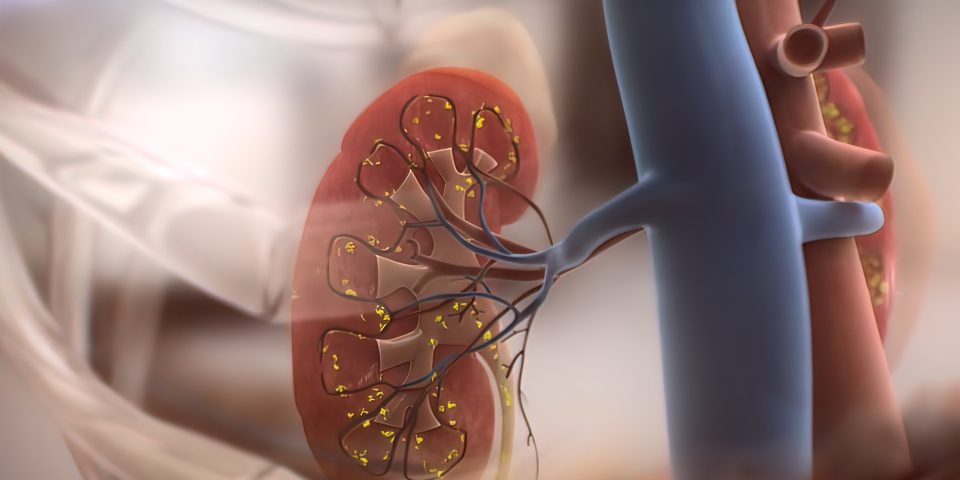
Astaxanthin protects the kidney in diabetic nephropathy through several mechanisms, primarily by acting as a powerful antioxidant, reducing podocyte injury, and inhibiting specific signaling pathways like ILK.
1. Powerful Antioxidant Activity
Astaxanthin is a carotenoid with exceptional antioxidant capabilities—significantly higher than β-carotene and α-tocopherol . In the context of diabetes, high glucose levels trigger oxidative stress, producing reactive oxygen species (ROS) that damage kidney tissues . Astaxanthin's molecular structure allows it to provide electrons to free radicals or attract unpaired electrons, thereby quenching singlet oxygen and breaking the chain reaction of oxidative damage .
2. Protection of Podocytes
Podocytes are critical cells in the glomerular filtration barrier; their damage is a primary driver of proteinuria (protein in the urine) and glomerular sclerosis . Astaxanthin protects these cells in two main ways:
3. Inhibition of Integrin-Linked Kinase (ILK)
ILK is a key factor involved in fibrosis and podocyte injury . In diabetic conditions, ILK expression in the kidney is significantly increased, which contributes to podocyte damage and the accumulation of mesangial matrix . Research indicates that astaxanthin inhibits the excessive activation of ILK, which may be one of the core mechanisms by which it improves renal pathology and prevents the progression of diabetic nephropathy .
4. Improvement of Physiological Indicators
In animal models (db/db mice), the administration of astaxanthin (particularly at low doses) resulted in several measurable improvements:
Note on Dosage: While low-dose astaxanthin showed clear protective effects on renal function and pathology without affecting blood sugar, the research noted that high doses might actually impair glucose tolerance in certain models, despite showing benefits for podocyte adhesion in laboratory settings .
