
Aesculin & Aesculetin: Pharmacology of Cortex Fraxini Coumarins
July 12, 2026
Goji Berry Seed Oil — Nature’s Golden Elixir for Health, Skin & Longevity
July 26, 2026Ge-132: The Hydroxyl Radical Scavenger That Beats Mannitol — What Formulators Need to Know for Anti-Aging and Cellular Protection
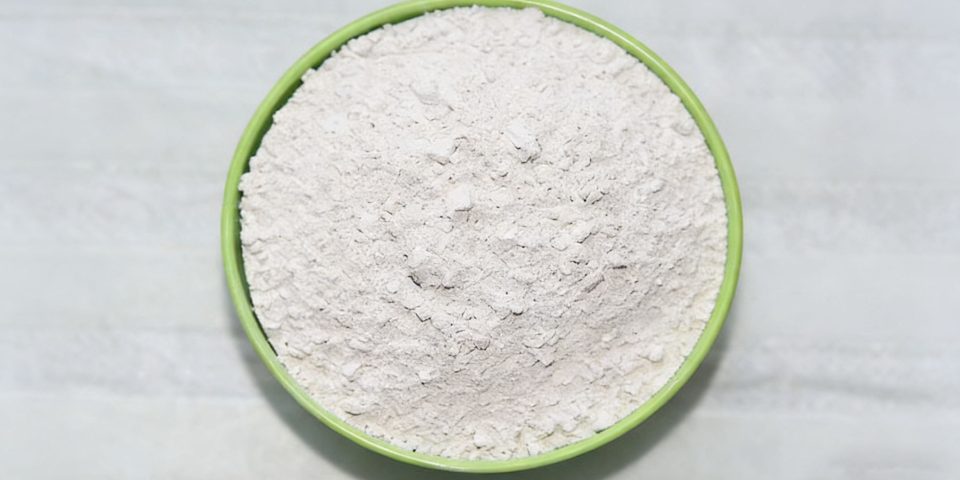
Organic germanium Ge-132 (carboxyethylgermanium sesquioxide) is well known for its anticancer and immunomodulatory properties, but its most fundamental mechanism — direct free radical scavenging — was systematically established in a foundational 1994 study by Wang Jucun, Xing Guosheng, and Hu Wenduo at Tianjin Hospital's Orthopaedic Research Institute. Using three complementary assay systems, they demonstrated that Ge-132 scavenges superoxide anions, potently eliminates hydroxyl radicals, and inhibits ·OH-induced lipid peroxidation in rat liver homogenate — outperforming mannitol in both ·OH scavenging and anti-peroxidation activity.
The Free Radical Problem: Why Oxygen Radicals Matter in Disease
All aerobic organisms generate reactive oxygen species (ROS) as byproducts of normal metabolism. The four principal species — superoxide anion (O₂⁻・), hydroxyl radical (・OH), hydrogen peroxide (H₂O₂), and singlet oxygen (¹O₂) — are collectively referred to as active oxygen. Under physiological conditions, these species exist in a tightly regulated, low-level equilibrium maintained by endogenous antioxidant enzymes (superoxide dismutase, catalase, glutathione peroxidase) and non-enzymatic scavengers. At these levels, ROS serve beneficial signaling functions.
The problem arises when this equilibrium tips. In pathological states — whether from radiation exposure, ischemia-reperfusion injury, chronic inflammation, xenobiotic metabolism, or simply aging — ROS production overwhelms endogenous clearance capacity. The consequences cascade:
- Direct biomolecular damage: ROS attack lipids, proteins, and DNA directly.
- Lipid peroxidation chain reaction: ·OH abstracts hydrogen from polyunsaturated fatty acids in cell membranes, initiating a self-propagating peroxidation cascade that compromises membrane integrity and generates reactive aldehydes like malondialdehyde (MDA).
- Secondary cross-linking: MDA is a bifunctional alkylating agent that cross-links proteins, nucleic acids, and phospholipids — permanently inactivating enzymes, damaging genetic material, and rigidifying cell membranes.
Why ·OH is the most dangerous ROS: Among the four active oxygen species, the hydroxyl radical is uniquely destructive. It has an extremely short half-life (~10⁻⁹ seconds), reacts at diffusion-limited rates with virtually any biomolecule it encounters, and there is no enzymatic defense against it — unlike O₂⁻・ (SOD) and H₂O₂ (catalase/GPx). The only defense against ·OH is to prevent its formation or intercept it with sacrificial scavengers before it reaches critical cellular targets. This is why ·OH scavenging ability is a fundamentally important measure of any antioxidant compound.
The 1994 paper notes that by this time, extensive evidence had already linked free radical damage to senile cataracts, atherosclerosis, cerebral artery spasm, Alzheimer's disease, and general aging processes. Researchers worldwide were actively screening for compounds with both oxygen free radical scavenging and anti-lipid peroxidation capabilities — a dual-action profile that addresses both the initiating radicals and the downstream membrane damage cascade.
Ge-132: The Original Organic Germanium Compound
Ge-132 (carboxyethylgermanium sesquioxide, CAS 127-58-2) is structurally distinct from inorganic germanium salts — it features a Ge-O-Ge polymer backbone with carboxyethyl side chains, giving it water solubility and biological compatibility absent in inorganic germanium compounds. First synthesized by Dr. Kazuhiko Asai in Japan in the 1960s, Ge-132 was the earliest organic germanium compound developed as an anticancer agent, and decades of subsequent research have documented its remarkably broad pharmacological profile:
- Antitumor activity: Demonstrated across multiple cancer models
- Immune system modulation: Regulation of T-cell and NK cell function
- Nucleic acid synthesis promotion: Stimulation of DNA and RNA synthesis for cell growth
- Endocrine effects: Promotion of pituitary cell hormone secretion in vitro
- Cardioprotection: Protection of cultured myocardial cells from injury
Crucially, long-term administration studies consistently showed minimal to no side effects — a safety profile that separates Ge-132 from nephrotoxic inorganic germanium compounds and positions it as a viable long-term nutraceutical ingredient.
This 1994 study asked a fundamental question: Before exploring Ge-132's therapeutic applications in cancer, immunity, or organ protection, does it work at the most basic biochemical level — as a direct free radical scavenger? The answer, established across three independent assay systems, was a clear yes, with an activity profile that proved particularly strong against the most dangerous radical species.
Study Design: Three Complementary Free Radical Assay Systems
The researchers designed three parallel experiments to systematically evaluate Ge-132 against different reactive oxygen species and their downstream effects. Each assay used well-validated positive controls for benchmark comparison:
| Experiment | Target Species | Generation System | Detection Method | Positive Control |
|---|---|---|---|---|
| 1. Superoxide Scavenging | O₂⁻・ | Pyrogallol autoxidation | UV absorbance at 325±5 nm | Ascorbic acid (Vitamin C) |
| 2. Hydroxyl Radical Scavenging | ·OH | Fenton reaction (Fe²⁺ + H₂O₂) | Safranine T bleaching at 520±5 nm | Mannitol |
| 3. Anti-Lipid Peroxidation | MDA (LPO product) | ·OH + rat liver homogenate + H₂O₂ | TBA assay at 535±5 nm | Mannitol |
Ge-132 sodium salt (99% purity, provided by Nankai University Institute of Elemento-Organic Chemistry) was the test compound across all three assays. IC₅₀ values — the concentration required for 50% inhibition/scavenging — were calculated from dose-response curves, with data fitted by linear or logarithmic regression depending on the assay's kinetic behavior.
Result 1: Superoxide Anion (O₂⁻・) Scavenging
The pyrogallol autoxidation method is a classic system for generating superoxide anions under controlled conditions. Pyrogallol spontaneously oxidizes in alkaline buffer, producing a steady flux of O₂⁻・ radicals. Test compounds that intercept these radicals reduce the rate of autoxidation, producing a measurable decrease in absorbance at 325 nm.
Ascorbic Acid (Vitamin C)
- Established O₂⁻・ scavenger — gold standard for this assay
- Lower IC₅₀: more potent at superoxide clearance
- Water-soluble, fast-acting radical chain breaker
Ge-132
- Demonstrates clear O₂⁻・ scavenging activity
- Higher IC₅₀: requires higher concentration than ascorbic acid
- Confirms broad-spectrum radical scavenging, not limited to ·OH
While Ge-132 was weaker than ascorbic acid at superoxide scavenging (higher IC₅₀), the finding was still significant — it established that Ge-132's radical-scavenging activity spans multiple ROS species, not just one. The relatively lower potency against O₂⁻・ compared to ·OH (see Result 2) suggests Ge-132 may have preferential reactivity with the more electrophilic hydroxyl radical, consistent with its chemical structure.
Result 2: Hydroxyl Radical (·OH) Scavenging — Ge-132 Outperforms Mannitol
The Fenton reaction (Fe²⁺ + H₂O₂ → Fe³⁺ + ·OH + OH⁻) generates hydroxyl radicals that bleach the dye safranine T, producing a measurable absorbance decrease at 520 nm. This is one of the most widely used ·OH detection systems, and mannitol — a sugar alcohol that acts as a specific ·OH scavenger — was selected as the positive control.
Mannitol (Positive Control)
- Established ·OH scavenger — but requires high concentrations
- Higher IC₅₀: less potent than Ge-132 at ·OH clearance
- Clinically used as osmotic diuretic, not as chronic antioxidant
Ge-132
- Significantly lower IC₅₀ than mannitol — stronger ·OH scavenger
- Direct interception of the most damaging ROS species
- IC₅₀ data fitted to logarithmic regression (r > 0.99)
Why this result matters: The hydroxyl radical is the ultimate executor of oxidative damage — it is the species that directly initiates lipid peroxidation, DNA strand breaks, and protein oxidation. A compound that preferentially scavenges ·OH is intercepting oxidative injury at its most destructive point. Ge-132's superior performance against the mannitol benchmark established its credentials as a potent ·OH-targeted antioxidant, not just a generic radical scavenger.
Result 3: Anti-Lipid Peroxidation — Ge-132 Again Stronger Than Mannitol
While radical scavenging assays measure direct chemical reactivity, the lipid peroxidation (LPO) assay tests a compound's ability to protect actual biological membranes from oxidative chain reactions. The experimental design used rat liver homogenate as the lipid substrate — a biologically relevant membrane system containing polyunsaturated fatty acids in their native phospholipid environment.
·OH radicals were generated in situ via the Fenton reaction (Fe²⁺-EDTA + H₂O₂), initiating peroxidation of membrane lipids. The endpoint measurement was malondialdehyde (MDA) — the stable, reactive aldehyde end-product of lipid peroxidation — detected by the thiobarbituric acid (TBA) colorimetric assay at 535 nm.
Mannitol (Positive Control)
- Higher IC₅₀ required to achieve 50% inhibition of lipid peroxidation
- Limited membrane penetration due to hydrophilic sugar alcohol structure
- Primarily acts in aqueous phase — less effective at protecting lipid bilayer
Ge-132
- Lower IC₅₀ — more potent anti-peroxidation activity than mannitol
- Inhibits MDA formation at the initiation stage of the peroxidation cascade
- IC₅₀ data fitted to linear regression (r > 0.99)
The combined finding — Ge-132 outperforms mannitol in both ·OH scavenging and anti-lipid peroxidation — tells a coherent story: Ge-132 intercepts the initiating ·OH before it can abstract hydrogen from membrane lipids, thereby preventing the entire peroxidation chain reaction at its source. This is mechanistically more efficient than chain-breaking antioxidants (like vitamin E) that intervene mid-cascade.
Integrated Mechanism: Ge-132's Three-Tier Antioxidant Action
The three experiments together reveal a coordinated antioxidant strategy operating at distinct levels of the oxidative injury cascade:
Tier 1: Ge-132 intercepts superoxide anions from normal metabolism and pathological sources, reducing the O₂⁻・ pool available for conversion to more dangerous species.
Tier 2: Ge-132 directly scavenges hydroxyl radicals generated via Fenton chemistry (Fe²⁺ + H₂O₂) — the most destructive ROS — with potency exceeding mannitol, the standard ·OH scavenger.
Tier 3: By eliminating ·OH at the initiation step, Ge-132 prevents hydrogen abstraction from membrane polyunsaturated fatty acids, blocking the lipid peroxidation chain reaction and downstream MDA formation before it begins.
Multi-Species Coverage
Ge-132 scavenges both superoxide (O₂⁻・) and hydroxyl (·OH) radicals — providing broader ROS protection than single-species antioxidants.
·OH Preferential Activity
Stronger ·OH scavenging than superoxide scavenging suggests preferential targeting of the most dangerous radical — a strategically advantageous activity profile.
Membrane-Level Protection
Anti-lipid peroxidation activity in biological membrane systems (rat liver homogenate) demonstrates protection in physiologically relevant lipid environments.
Prevention Over Repair
By intercepting ·OH before it initiates peroxidation, Ge-132 prevents MDA formation — avoiding the secondary protein/DNA cross-linking damage that MDA causes downstream.
Dose-Response Validated
All three assays produced clear dose-response relationships with r > 0.99 regression fits — confirming the observed effects are genuinely attributable to Ge-132 concentration.
Long-Term Safety
Decades of use data confirm minimal side effects with chronic administration — essential for antioxidant ingredients intended for daily supplementation.
Clinical Relevance: Oxidative Stress Across Disease Categories
The study authors explicitly contextualized their findings within the broader framework of free radical pathology. By 1994, a substantial body of evidence had established ·OH and lipid peroxidation as mechanistic contributors to:
Senile Cataracts
Lens protein oxidation and cross-linking by ROS — particularly ·OH and lipid peroxidation products — is a primary driver of age-related cataract formation.
Atherosclerosis
Oxidized LDL, formed when ·OH and lipid peroxidation products modify low-density lipoprotein particles, is the key initiating event in atherosclerotic plaque formation.
Alzheimer's Disease
Lipid peroxidation of neuronal membranes, protein oxidation, and DNA damage from chronic ·OH exposure are hallmark features of Alzheimer's neuropathology.
General Aging
The free radical theory of aging — proposed by Denham Harman in 1956 — posits that cumulative ROS damage to cellular macromolecules drives the aging process at the molecular level.
Ischemia-Reperfusion
Reperfusion after ischemia triggers a burst of ·OH production via Fenton chemistry when accumulated iron is released — a scenario where ·OH scavengers are directly therapeutic.
Chronic Inflammation
Activated phagocytes produce O₂⁻・ via NADPH oxidase during the respiratory burst — feeding the ROS cascade that drives tissue damage in chronic inflammatory conditions.
Discussion: Foundational Evidence — and What Still Needs Investigation
- This study established Ge-132's antioxidant credentials at the chemical level: The three-assay approach — superoxide scavenging, hydroxyl radical scavenging, and anti-lipid peroxidation — covers the full spectrum from primary radical generation to terminal membrane damage. The consistent dose-response relationships across all three systems (r > 0.99) provide robust statistical confidence in Ge-132's direct radical-scavenging activity.
- The ·OH selectivity is mechanistically significant: Ge-132's stronger performance against ·OH versus O₂⁻・, combined with its superiority over mannitol (a ·OH-specific scavenger), suggests its antioxidant activity is not merely a generic reducing capacity but a structurally determined preference for the most damaging radical species.
- Additional validation methods were recommended by the authors: The researchers noted that confirming Ge-132's radical-scavenging potency should employ complementary detection systems — specifically the xanthine/xanthine oxidase system for O₂⁻・ generation (as an alternative to pyrogallol autoxidation) and electron spin resonance (ESR) with spin-trapping for direct ·OH detection. These remain relevant methodological suggestions for modern validation studies.
- The mechanism of Ge-132's radical-scavenging activity at the molecular level remains incompletely characterized: The 1994 study demonstrated that the activity exists and quantified it — but the precise chemical mechanism (hydrogen atom transfer? single electron transfer? metal chelation affecting Fenton chemistry?) was not determined and warrants further investigation with modern analytical tools.
Research context note: This is a foundational 1994 study using in vitro chemical and ex vivo tissue homogenate systems. It established Ge-132 as a direct free radical scavenger — but it did not evaluate pharmacokinetics, cellular uptake, in vivo antioxidant efficacy, or clinical outcomes. The IC₅₀ values reported are from cell-free or tissue homogenate systems and cannot be directly extrapolated to effective human doses. This study's value lies in establishing mechanism — that Ge-132 functions as a direct, multi-species radical scavenger — which subsequent in vivo and clinical research has built upon.
B2B Applications: Where Ge-132's Antioxidant Profile Adds Value
Anti-Aging Nutraceuticals
Ge-132's triple-action antioxidant profile — O₂⁻・ scavenging, ·OH interception, and lipid peroxidation inhibition — positions it as a premium active for anti-aging supplement formulations addressing oxidative stress as a root cause of aging.
Immune Support Formulas
The combination of free radical scavenging and documented immunomodulatory activity (T-cell/NK-cell regulation) makes Ge-132 a dual-benefit ingredient for immune health products — addressing both oxidative and immunological dimensions of immune function.
Sports Nutrition & Recovery
Exercise-induced oxidative stress from mitochondrial ROS production and ischemia-reperfusion in working muscle creates demand for ·OH-specific scavengers — Ge-132's preferential ·OH activity is directly relevant to post-exercise recovery formulations.
Cognitive Health Products
With lipid peroxidation implicated in Alzheimer's and age-related cognitive decline, Ge-132's capacity to inhibit membrane lipid peroxidation at the initiation step offers a mechanistically differentiated approach for brain health nutraceuticals.
Cardiovascular Support
Atherosclerosis initiation via LDL oxidation is a ·OH and lipid peroxidation-driven process — Ge-132's demonstrated activity at both levels makes it relevant for heart health formulations targeting oxidative vascular injury.
Research-Grade Antioxidant Standards
High-purity Ge-132 (≥99.5%) serves as a research tool for laboratories studying free radical biology, oxidative stress mechanisms, and screening antioxidant compounds — with the advantage of well-characterized multi-species activity.
Sourcing Guidance: High-Purity Ge-132 for Antioxidant Formulations
For formulators sourcing Ge-132 for nutraceutical or pharmaceutical applications, the following specification parameters are critical:
- Purity: ≥99.5% Ge-132 (HPLC assay, CAS 127-58-2) — consistent with the 99% purity grade used in the 1994 study from Nankai University
- Heavy metals: <10 ppm total; lead <2 ppm, arsenic <1 ppm, cadmium <1 ppm — critical for long-term daily supplementation safety
- Moisture content: ≤1% — Ge-132 is hygroscopic; excess moisture affects stability and weighing accuracy
- pH (1% aqueous solution): 6.0–7.5 — near-neutral pH confirms appropriate salt form and absence of acidic impurities
- Water solubility: ≥10 g/100 mL at 25°C — Ge-132 sodium salt should dissolve completely without turbidity
- Microbiological: Total plate count <1,000 CFU/g; absence of E. coli, Salmonella, S. aureus, and P. aeruginosa
- Particle size: 80–200 mesh for powder blending; consistent particle size distribution for homogeneous mixing in capsules and tablets
- Documentation: FSSC 22000 / ISO 22000 certification, comprehensive CoA (purity, heavy metals, moisture, pH, microbiological), MSDS, and regulatory dossier support for target markets
Frequently Asked Questions
What is Ge-132 and how is it different from other germanium compounds?
Ge-132 (carboxyethylgermanium sesquioxide, CAS 127-58-2) is an organic germanium compound with a Ge-O-Ge polymer backbone and carboxyethyl side chains. This structure is fundamentally different from inorganic germanium salts (e.g., germanium dioxide, GeO₂) — Ge-132 is water-soluble, biologically compatible, and has a well-documented safety profile with decades of chronic administration data showing minimal side effects. Inorganic germanium compounds, by contrast, have been associated with nephrotoxicity. The "organic" designation refers to the carbon-germanium bonds in Ge-132's structure, not to organic certification.
How does Ge-132 scavenge free radicals?
According to the 1994 Tianjin Hospital study, Ge-132 operates at three levels: (1) direct scavenging of superoxide anions (O₂⁻・) generated during normal metabolism and pathological processes; (2) potent elimination of hydroxyl radicals (·OH) via interception of Fenton reaction products — this is where Ge-132 shows its strongest activity, outperforming mannitol; and (3) prevention of ·OH-induced lipid peroxidation by intercepting the initiating radical before it can abstract hydrogen from membrane polyunsaturated fatty acids, thereby blocking the entire peroxidation chain reaction. The precise molecular mechanism (H-atom transfer vs. electron transfer vs. metal chelation) has not been fully characterized and remains an area for further research.
Why is Ge-132's hydroxyl radical scavenging more important than its superoxide scavenging?
The hydroxyl radical (·OH) is universally recognized as the most damaging reactive oxygen species for several reasons: (1) it reacts at diffusion-limited rates with virtually any biomolecule — lipids, proteins, DNA, carbohydrates — with no selectivity; (2) there are no enzymatic defenses against ·OH (unlike O₂⁻・ which is handled by superoxide dismutase, and H₂O₂ which is handled by catalase and glutathione peroxidase); (3) ·OH is the species that directly initiates lipid peroxidation in cell membranes. A compound that preferentially targets ·OH addresses the root cause of oxidative membrane injury. The 1994 study showed Ge-132 is stronger than mannitol (the standard ·OH scavenger) at ·OH clearance, suggesting a structurally determined preference for this critical target.
What is lipid peroxidation and why does inhibiting it matter?
Lipid peroxidation is a self-propagating chain reaction where reactive species (primarily ·OH) abstract hydrogen atoms from polyunsaturated fatty acids in cell membranes, generating lipid radicals that react with oxygen to form lipid peroxyl radicals — which then attack neighboring fatty acids, perpetuating the cycle. The process compromises membrane fluidity and barrier function, and generates reactive aldehydes like malondialdehyde (MDA) as terminal products. MDA is a bifunctional alkylating agent that cross-links proteins, nucleic acids, and phospholipids, causing irreversible cellular damage. Ge-132 inhibits this process at the initiation step by scavenging ·OH before it can abstract the first hydrogen atom — preventing both membrane damage and secondary MDA-mediated cross-linking.
Is Ge-132 safe for long-term supplementation?
Yes — the safety profile of Ge-132 is one of its most significant attributes. Multiple long-term administration studies have documented minimal to no side effects, which contrasts sharply with inorganic germanium compounds (germanium dioxide, germanium citrate-lactate) that can cause nephrotoxicity. This safety record is why Ge-132, rather than other germanium compounds, is the form used in nutraceutical and research applications. The key distinction is the carbon-germanium bond in Ge-132's structure, which fundamentally alters its metabolism and toxicity profile compared to inorganic germanium salts.
What applications does Ge-132 have beyond antioxidant activity?
Ge-132's pharmacological profile extends well beyond free radical scavenging. Documented activities include: antitumor effects across multiple cancer models; immune system modulation (regulation of T-cell, NK cell, and macrophage function); stimulation of DNA/RNA synthesis and cell growth; promotion of pituitary hormone secretion; and protection of myocardial cells from injury. This breadth of activity — combined with the antioxidant mechanism established in the 1994 study — makes Ge-132 a uniquely versatile ingredient for nutraceutical formulations targeting multiple aspects of health simultaneously.
Source High-Purity Ge-132 for Your Next Antioxidant Formulation
TongyuBio supplies food-grade organic germanium Ge-132 (CAS 127-58-2, ≥99.5% purity) with full analytical documentation — CoA, MSDS, FSSC 22000 certification, and regulatory support for global markets. Available in both standard powder and custom particle size specifications for capsule, tablet, and functional food applications.
Wang Jucun, Xing Guosheng, Hu Wenduo, Zhu Tieliang, Wang Qian, Zhao Hua. Effects of Organic Germanium Ge-132 on Oxygen Free Radicals and Hydroxyl Radical-Induced Lipid Peroxidation. Chinese Pharmaceutical Journal (中国药学杂志). 1994, 29(1): 23–25. Tianjin Hospital Orthopaedic Research Institute Pharmacology Laboratory; Armed Police Tianjin Corps Hospital Pharmacy Department; Tianjin Second Medical College.
Key Supporting References
Zhang Peijin, Yu Geyao, Sun Shen, et al. Pharmacological effects of carboxyethylgermanium sesquioxide (Ge-132). Foreign Medicine: Synthetic Drugs, Biochemical Drugs, and Preparations. 1990.
Zhu Bingfa, Hong Jinyang, Chen Hongzhuan, et al. Regulation of IL-2 by organic germanium and BCG polysaccharide nucleic acid. Journal of Shanghai Second Medical University. 1992.
Nie Yuxiu, Chen Yulan, Zhao Peilin, et al. Effects of germanium-132 on cultured human diploid cells. Journal of Norman Bethune University of Medical Sciences. 1991.
Cui Li, Nie Yuxiu, Chen Yulan, et al. Study of germanium-132 on cultured rat anterior pituitary cells. Journal of Norman Bethune University of Medical Sciences. 1992.
Chen Yanqun, Tian Bin, Li Yimei, et al. Effects of carboxyethylgermanium sesquioxide on normal and isoproterenol-injured cultured neonatal rat cardiomyocytes. Acta Pharmaceutica Sinica. 1992.
Huang Weijia, Chen Hongchu, Huang Tianlu. Determination of superoxide dismutase in human erythrocytes by pyrogallol autoxidation method. Chinese Journal of Medical Laboratory Sciences. 1989.
Lu Chunsu, Zhao Huiying, Shi Luwen. Study on mitomycin C promoting reactive oxygen free radical generation. Chinese Journal of Biochemistry. 1990.
Chen Xiu. Free radical damage to cardiovascular function and pharmacological protection. Chinese Journal of Pharmacology and Toxicology. 1992.
Dong Wei, Li Jianxin, Chen Guoshu, et al. Study on lipid peroxides and superoxide dismutase in human erythrocytes. Progress in Biochemistry and Biophysics. 1990.
Fang Yunzhong, ed. Free Radicals and Enzymes: Basic Theory and Applications in Biology and Medicine. Beijing: Science Press, 1989.
Mo Jian, ed. Introduction to Medical Free Radical Biology. Beijing: People's Medical Publishing House, 1989.
Lin Tongjun, Liu Gengtao, Li Xiaojie, et al. Anti-lipid peroxidation and oxygen free radical scavenging effects of clausenamide. Chinese Journal of Pharmacology and Toxicology. 1992.
Huang Zhisen, He Yan, Zhang Juntian. Antioxidant effects of three components from Schisandra chinensis. Chinese Journal of Pharmacology and Toxicology. 1990.
Huang Zhisen, Zhang Juntian. In vitro antioxidant effects of three water-soluble components from Salvia miltiorrhiza. Acta Pharmaceutica Sinica. 1992.
