
Unveiling the Wonders of Organic Germanium: Efficacy, Applications, etc
October 30, 2025Sea Buckthorn Fruit Oil: Multifaceted Benefits from Ancient Remedies to Modern Science
November 2, 2025The Spotlight on Meso-Zeaxanthin
In the ever - evolving landscape of nutrition and health, meso - zeaxanthin (MZ) has emerged as a captivating and significant novel nutrient. As consumers become more health - conscious and the scientific community delves deeper into the study of dietary components, MZ has stepped into the limelight, attracting attention from researchers, food manufacturers, and health - enthusiasts alike.
With the global health and wellness market expanding at an unprecedented rate, there is a growing demand for natural, effective, and safe nutrients that can enhance well - being. Meso - zeaxanthin, with its unique chemical structure and a host of health benefits, has the potential to meet this demand and redefine the concept of nutritional supplementation and functional food ingredients. This article aims to provide a comprehensive overview of meso - zeaxanthin, exploring its origin, role in maintaining health, applications in the food industry, and future prospects.
Meso-Zeaxanthin: An Overview
Chemical Identity and Source
Meso - zeaxanthin, chemically known as (3R,3’S)-dihydroxy - β - carotene, belongs to the carotenoid family. Its molecular formula is C₄₀H₅₆O₂, and it has a molecular weight of approximately 568.88 g/mol. Structurally, it consists of a long polyene chain with conjugated double bonds, which is characteristic of carotenoids, and two hydroxyl - containing ionone rings at each end. This structure not only gives meso - zeaxanthin its characteristic orange - red color but also determines its unique physical and chemical properties.
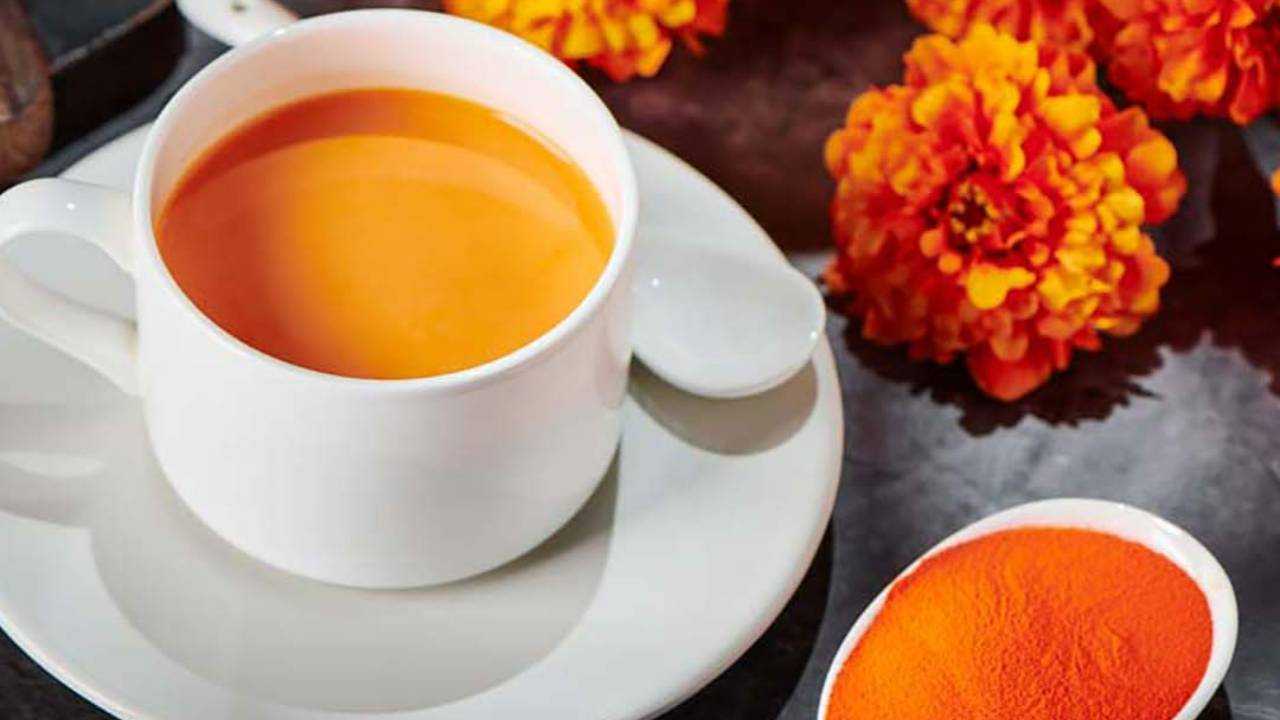
The extraction of meso - zeaxanthin from natural marigold flowers is a complex and precise process. First, the marigold flowers are carefully dehydrated to remove excess moisture, which helps in preserving the integrity of the target compound and facilitating subsequent processing. Then, they are pulverized into a fine powder to increase the surface area for better extraction efficiency.
The extraction step typically involves using suitable solvents, such as hexane or ethanol, to selectively dissolve the carotenoids, including meso - zeaxanthin, from the plant matrix. After extraction, an isomerization process may be employed to convert other related carotenoids into meso - zeaxanthin, if necessary. This is followed by purification steps, such as column chromatography or crystallization, to remove impurities and isolate pure meso - zeaxanthin. Finally, the purified product is dried to obtain the orange - red powder form of meso - zeaxanthin.
This natural - source extraction method ensures that the obtained meso - zeaxanthin retains its natural bioactivity and is free from potentially harmful synthetic by - products, making it an ideal choice for use in nutritional and food applications.
Rarity in the Natural World
Meso - zeaxanthin is relatively scarce in the natural world. While it can be found in certain natural sources such as marigold flowers and some edible fish and shrimp, its presence in these sources is not abundant. In marigolds, although they are one of the main sources for commercial extraction, the concentration of meso - zeaxanthin still requires a multi - step extraction and purification process to obtain a sufficient amount.
In the case of edible fish and shrimp, the levels of meso - zeaxanthin are also quite low. For example, some deep - sea fish species may contain trace amounts of meso - zeaxanthin, which is accumulated through their diet in the marine ecosystem. However, the amount obtained from consuming these fish and shrimp in normal daily diets is negligible.
Considering the growing demand for meso - zeaxanthin due to its significant health benefits, relying solely on natural dietary intake is far from sufficient. The average daily diet of most people does not provide an adequate amount of meso - zeaxanthin to meet the body's needs, especially for those with specific health concerns related to vision or immune function. This scarcity in nature has led to the development of advanced extraction and production techniques to obtain meso - zeaxanthin in larger quantities for use in dietary supplements and functional foods, aiming to bridge the gap between the natural availability and the increasing consumer demand.
Meso-Zeaxanthin's Pivotal Role in Visual Health
The Triad of Macular Pigments
The central retina's macular pigment (MP) is a complex of three key components: lutein, zeaxanthin, and meso - zeaxanthin. These three carotenoids work in harmony to optimize visual performance, and their presence is crucial for maintaining clear and sharp vision.
Lutein, with its molecular formula C 40 H 56 O 2 , is a xanthophyll carotenoid that is widely distributed in the retina. Zeaxanthin, which is an isomer of lutein, has the same molecular formula but a different structure. Meso - zeaxanthin, with its unique (3R,3’S)-dihydroxy - β - carotene structure, complements the other two pigments.
One of their primary functions is reducing chromatic aberration. When light enters the eye, different wavelengths can cause the eye to focus them at different points, leading to chromatic aberration. The macular pigments, by selectively absorbing certain wavelengths of light, help to minimize this effect, ensuring that all colors are focused precisely on the retina, resulting in a more accurate and vivid visual perception.
In high - luminance environments, such as when looking directly at the sun or strong artificial lights, the eye is at risk of damage. The macular pigments act as a natural filter, shielding the sensitive retinal cells from the intense light. They can absorb and dissipate the excess energy, reducing the risk of photochemical damage to the retina.
Blue light, with wavelengths ranging from 450 - 495 nanometers, is a major concern for eye health. It is abundant in sunlight and is also emitted by electronic devices such as smartphones, tablets, and computer monitors. The macular pigments, especially meso - zeaxanthin, have a high affinity for blue light. They can absorb blue light before it reaches the retina, preventing it from causing oxidative stress and damage to the retinal cells.
Meso-Zeaxanthin's Unique Distribution
Meso - zeaxanthin has a distinct distribution pattern within the macular pigment, which sets it apart from lutein and zeaxanthin. It is highly concentrated in the foveal center, the area of the retina responsible for the sharpest vision. As one moves from the outer regions of the retina towards the center, the concentration of meso - zeaxanthin progressively increases.
This gradient distribution is not a coincidence; it is evolutionarily designed to provide the best possible protection for the most sensitive part of the retina. The foveal center is where the highest density of cone cells is located. These cone cells are responsible for high - acuity vision, color perception, and fine - detail discrimination. Since this area is constantly exposed to high - intensity light and is highly sensitive to damage, the concentrated presence of meso - zeaxanthin serves as a powerful defense mechanism.
The high concentration of meso - zeaxanthin in the foveal center allows it to effectively filter out harmful blue light that could otherwise damage the cone cells. It also helps to reduce the oxidative stress in this area, which is generated as a by - product of the high metabolic activity of the cone cells. By protecting the cone cells, meso - zeaxanthin ensures the proper functioning of the foveal center, which is essential for activities such as reading, driving, and recognizing faces.
Protection Against Blue Light and AMD
Numerous scientific studies have provided compelling evidence of meso - zeaxanthin's ability to protect the retina from blue - light damage. In a series of experiments using a mouse model of oxidative damage, researchers compared the effects of microencapsulated meso - zeaxanthin products with non - microencapsulated ones. The results showed that the microencapsulated meso - zeaxanthin was more effectively absorbed by the retina and provided superior protection against blue light. It was able to significantly reduce the levels of oxidative stress markers in the retina, such as malondialdehyde (MDA), and increase the activity of antioxidant enzymes like superoxide dismutase (SOD).
Blue light, when it reaches the retina, can generate reactive oxygen species (ROS) through a process called photo - oxidation. These ROS are highly reactive molecules that can damage cellular components such as DNA, proteins, and lipids. Meso - zeaxanthin, with its conjugated double - bond structure, is an excellent antioxidant. It can donate an electron to the ROS, neutralizing them and preventing them from causing damage to the retinal cells.
Age - related macular degeneration (AMD) is a leading cause of vision loss in the elderly. Meso - zeaxanthin plays a critical role in preventing this degenerative disease. Short - term increases in zeaxanthin intake, which includes meso - zeaxanthin, have been shown to enhance macular pigment density. A study involving a group of middle - aged and elderly participants found that after supplementing with a combination of lutein, zeaxanthin, and meso - zeaxanthin for six months, their macular pigment density increased significantly. This increase in density provides a stronger barrier against harmful substances and light - induced damage.
As AMD progresses, the macula gradually deteriorates, leading to a loss of central vision. By increasing the macular pigment density, meso - zeaxanthin helps to fortify the macula, slowing down the progression of AMD. It also reduces the risk of the development of the more severe wet form of AMD, which is characterized by the growth of abnormal blood vessels in the macula.
Immune Health: Meso-Zeaxanthin's Hidden Benefit
The Antioxidant Powerhouse
As a member of the carotenoid family, meso - zeaxanthin is endowed with remarkable antioxidant properties. During the normal metabolic processes within the body, a series of complex biochemical reactions occur. One by - product of these reactions is the generation of free radicals. Free radicals are highly reactive molecules that contain unpaired electrons in their outer shells. Due to this unstable electron configuration, they are constantly in search of an electron from other molecules to achieve stability.
For example, when cells break down nutrients to produce energy through processes like cellular respiration, free radicals such as superoxide anion ( O 2 − ), hydroxyl radical ( OH ⋅ ), and hydrogen peroxide ( H 2 O 2 ) can be formed. These free radicals, if left unchecked, can cause a domino - effect of damage within the body. They can react with important cellular components such as lipids, proteins, and DNA. In the case of lipids, free radicals can initiate a process called lipid peroxidation. This not only alters the structure and function of cell membranes but also generates secondary reactive products that can further damage other cellular structures.
Meso - zeaxanthin, with its unique molecular structure characterized by a long polyene chain with conjugated double bonds, serves as a powerful antioxidant. It can donate an electron to the free radicals, thereby neutralizing them and preventing the chain - reaction of oxidative damage. The conjugated double - bond system in meso - zeaxanthin is highly effective in absorbing the excess energy carried by free radicals, which stabilizes the free radicals and renders them harmless. This antioxidant property of meso - zeaxanthin is crucial for maintaining the overall integrity and functionality of cells, and it forms the basis for its beneficial effects on immune health.
Bolstering Immune Function
Oxidative stress, which is an imbalance between the production of free radicals and the body's ability to neutralize them, can have a profound negative impact on immune function. Immune cells, such as lymphocytes, macrophages, and neutrophils, are constantly working to defend the body against pathogens. However, when exposed to high levels of oxidative stress, their normal functions can be severely impaired.
Lymphocytes, which play a central role in adaptive immunity, are responsible for recognizing specific pathogens and mounting targeted immune responses. Oxidative stress can damage the cell membranes of lymphocytes, affecting their ability to move, interact with other cells, and respond to antigenic stimuli. For example, it can alter the structure of cell - surface receptors on lymphocytes, preventing them from effectively binding to antigens and initiating the immune response cascade.
Macrophages are large immune cells that engulf and digest pathogens through a process called phagocytosis. Oxidative stress can reduce the phagocytic activity of macrophages. High levels of free radicals can damage the internal machinery of macrophages, such as the lysosomes that are responsible for breaking down ingested pathogens. This leads to a decreased ability of macrophages to eliminate invading microorganisms.
Neutrophils, the most abundant type of white blood cells in the bloodstream, are among the first responders to an infection. Oxidative stress can affect the chemotaxis of neutrophils, which is their ability to move towards the site of infection in response to chemical signals. It can also reduce their ability to produce reactive oxygen species (ROS) in a controlled manner during the oxidative burst, which is an important mechanism for killing pathogens. Uncontrolled oxidative stress can instead cause excessive production of ROS in neutrophils, leading to self - damage and reduced immune function.
Meso - zeaxanthin comes to the rescue by reducing oxidative stress. By scavenging free radicals, it helps to maintain the normal function and activity of immune cells. It protects the cell membranes of immune cells from lipid peroxidation, ensuring that their receptors and signaling pathways remain intact. This allows lymphocytes to recognize antigens accurately, macrophages to phagocytose pathogens efficiently, and neutrophils to respond appropriately to infections. In essence, meso - zeaxanthin acts as a safeguard for the immune system, enabling it to function optimally and protect the body from various diseases and infections.
Meso-Zeaxanthin's Impact on Functional Foods
A New Era for Baked Goods
The incorporation of meso - zeaxanthin into baked goods represents a significant leap forward in the evolution of functional food. In the competitive baked - goods market, where product differentiation is key, meso - zeaxanthin offers a unique selling point. For example, some artisanal bakeries have started to produce bread fortified with meso - zeaxanthin. These bread products are not only a staple for daily consumption but also a source of eye - health support. By adding meso - zeaxanthin, these bakeries are able to target health - conscious consumers who are constantly looking for ways to incorporate nutrition into their daily diet.
In the case of cakes, meso - zeaxanthin - enriched cakes have made their mark in the market. A well - known bakery chain introduced a line of muffins with meso - zeaxanthin. The marketing campaign for these muffins emphasized their dual function: a delicious treat and a supplement for eye health. The response from consumers was overwhelming, with sales figures showing a significant increase compared to their regular muffin offerings. This success can be attributed to the growing awareness of the importance of eye health and the convenience of obtaining a health - promoting ingredient in a familiar and enjoyable food product.
Beverages Reinvented
The beverage industry has also embraced meso - zeaxanthin, revolutionizing product offerings across various segments. In the juice market, the addition of meso - zeaxanthin has opened up new opportunities. With the increasing use of electronic devices, a large portion of the population, from young professionals to students, is constantly exposed to blue light. This has led to a growing demand for products that can counteract the potential negative effects on eye health.
Eye - care - focused juices containing meso - zeaxanthin have emerged as a popular choice. For instance, a leading juice brand launched a line of blue - light - protecting juices. These juices are not only rich in natural fruit flavors and vitamins but also contain a carefully measured amount of meso - zeaxanthin. Market research shows that the target consumers for these juices, mainly those who spend long hours in front of computer screens, mobile phones, or other digital devices, are willing to pay a premium for such functional beverages. The market for these eye - care juices is expected to grow steadily in the coming years, driven by the continuous increase in digital device usage and the growing awareness of eye - health issues.
In the functional - drink segment, meso - zeaxanthin has also found its place. Energy drinks, which are typically consumed for a quick energy boost, are now being formulated with meso - zeaxanthin to provide an additional health benefit. This combination of energy - giving ingredients and eye - health - promoting meso - zeaxanthin caters to consumers who want to stay alert while also taking care of their eyes, especially in high - stress, high - screen - time environments.
Dairy Products with a Twist
Dairy products, such as milk and yogurt, have long been staples in many people's diets, known for their rich calcium content and contribution to bone health. The addition of meso - zeaxanthin to these products adds a new dimension of functionality.
In the milk market, some companies have introduced meso - zeaxanthin - fortified milk. This type of milk is not only suitable for general consumption but also specifically targets individuals who are concerned about their eye health. Market data shows that the demand for such fortified milk has been on the rise, especially in regions where eye - health awareness is high. For example, in certain European countries, where consumers are more health - conscious and have easy access to information about nutrition, meso - zeaxanthin - fortified milk has seen a significant increase in market share.
Yogurt, a popular snack and breakfast item, has also been transformed with the addition of meso - zeaxanthin. Flavored yogurts with meso - zeaxanthin offer a tasty and convenient way for consumers to incorporate this beneficial nutrient into their diet. Consumer feedback indicates that they appreciate the combination of the creamy texture and delicious taste of yogurt with the added health benefit of meso - zeaxanthin. These meso - zeaxanthin - enriched yogurts are often marketed as a complete package of taste, nutrition, and eye - health support, appealing to a wide range of consumers, from children to the elderly.
The Bright Future of Meso-Zeaxanthin
Meso - zeaxanthin has emerged as a nutrient of great significance, with far - reaching implications for health and the food industry. Its role in maintaining visual health is nothing short of remarkable. By being an integral part of the macular pigment, it safeguards the retina from the perils of blue - light damage and plays a crucial role in preventing age - related macular degeneration, a condition that affects millions of people worldwide, especially the elderly.
The benefits of meso - zeaxanthin for immune health also add to its allure. In a world where maintaining a strong immune system is more important than ever, its antioxidant properties offer a natural and effective way to reduce oxidative stress and support the normal functioning of immune cells. This not only helps in warding off common infections but also in preventing chronic diseases associated with a weakened immune system.
In the functional food industry, meso - zeaxanthin has opened up new frontiers. Its incorporation into a wide range of food products, from baked goods to beverages and dairy products, has not only enhanced the nutritional value of these products but has also created new market opportunities. As consumers become more informed about the importance of nutrition and health, they are increasingly willing to pay for products that offer added health benefits. Meso - zeaxanthin - fortified foods cater to this growing demand, providing a convenient and delicious way for consumers to incorporate this beneficial nutrient into their daily diets.
Looking ahead, with the continuous progress of scientific research, we can expect to uncover even more potential benefits and applications of meso - zeaxanthin. As extraction and production technologies improve, the availability of meso - zeaxanthin is likely to increase, making it more accessible to a wider range of consumers. This, in turn, will drive further innovation in the food and nutrition industries, leading to the development of more advanced and effective products.
Meso - zeaxanthin is set to play an increasingly pivotal role in promoting healthier lifestyles around the world. Whether it's protecting our eyesight, strengthening our immune systems, or enhancing the nutritional value of our food, meso - zeaxanthin holds the promise of delivering tangible health benefits to consumers, and its future looks brighter than ever.
