
How Sea Buckthorn Oil Transforms Toothpaste Into a Gum-Healing Powerhouse
May 8, 2026
11 TCM Herbs That Lower Cholesterol: Clinical Data & Formulation Insights for Nutraceutical Manufacturers
May 17, 2026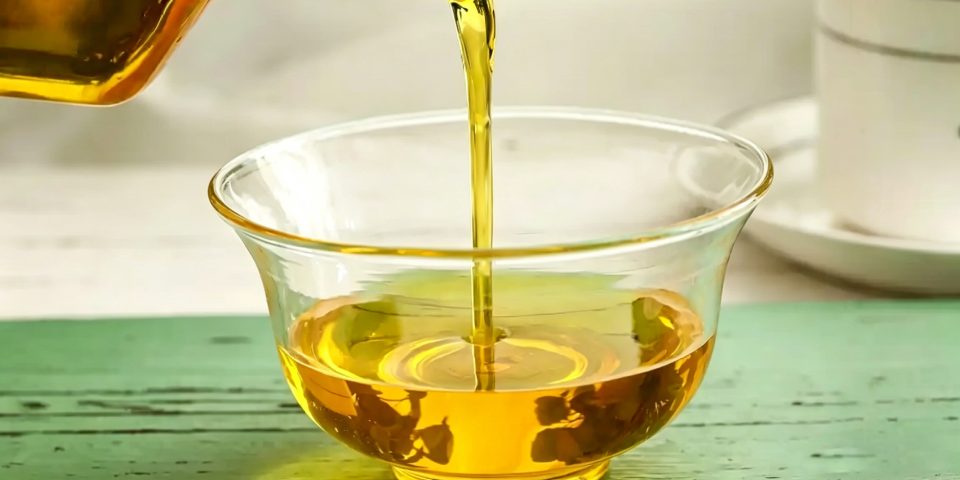
Emerging evidence from peer-reviewed animal research supports the use of goji seed oil as a functional immune-support ingredient. A 30-day study demonstrated that a precisely formulated blend of goji seed oil and flaxseed oil — at a 58:40 ratio — significantly enhanced multiple markers of immune activity in mice, including NK cell cytotoxicity, delayed-type hypersensitivity, and antibody production, without adverse effects on body weight or organ health.
What Is Goji Seed Oil?
Goji seed oil — derived from the seeds of Lycium barbarum (wolfberry / goji berry) — is a cold-pressed functional oil long recognized in traditional Chinese medicine for its tonic properties. Modern analysis confirms that it is rich in:
- Linoleic acid (omega-6) — the dominant fatty acid, supporting cell membrane integrity and inflammatory regulation
- Alpha-linolenic acid (omega-3) — an essential fatty acid with immunomodulatory activity
- Vitamin E (tocopherols) — a potent lipophilic antioxidant that also functions as an immune co-factor
- Beta-carotene and trace minerals — selenium and zinc, both associated with immune defense pathways
Compared to goji fruit pulp (commonly used in dried berry form), goji seed oil offers a concentrated lipid fraction with unique bioactivity that makes it suitable for nutraceutical and functional food formulations.
The Study at a Glance
Duan Y-J et al. “Effects of mixture of goji seed oil and flaxseed oil on immune function in mice.” Chinese Journal of Food Hygiene, 2016; 28(6): 743–746. DOI: 10.13590/j.cjfh.2016.06.012. Institution: Hunan Provincial Center for Disease Control and Prevention, China.
Researchers at the Hunan CDC used 200 ICR mice randomly allocated into five groups (n=40 per group, subdivided into 4 subgroups of 10). The test formula — goji seed oil 58% + flaxseed oil 40% + vitamin E 2% — was administered daily by oral gavage at three dose levels for 30 consecutive days. Immune endpoints assessed included:
- Immune organ-to-body weight ratios (spleen, thymus)
- Delayed-type hypersensitivity (DTH) — cellular immune marker
- ConA-induced lymphocyte proliferation
- Antibody-forming cell count (Jerne plaque assay)
- Hemolytic complement (HC₅₀) — humoral immune marker
- Macrophage carbon clearance index
- NK cell cytotoxicity (LDH release assay)
Key Findings: What the Data Show
Cellular Immunity — DTH Enhanced at Medium and High Doses
The delayed-type hypersensitivity (DTH) test is a gold-standard measure of T-cell-mediated cellular immunity. Following SRBC sensitization, mice receiving medium (0.50 g/kg) and high (1.50 g/kg) doses showed a significant increase in ear swelling response 24 hours post-challenge compared to controls (P<0.05).
| Group | Ear Thickness Before (mm) | Ear Thickness 24 h After (mm) | DTH Response (mm) |
|---|---|---|---|
| Control | 2.56 ± 0.13 | 2.81 ± 0.11 | 0.25 ± 0.14 |
| Low Dose (0.25 g/kg) | 2.53 ± 0.12 | 2.88 ± 0.11 | 0.34 ± 0.16 |
| Medium Dose (0.50 g/kg) | 2.58 ± 0.10 | 3.03 ± 0.15 | 0.46 ± 0.16 * |
| High Dose (1.50 g/kg) | 2.54 ± 0.13 | 3.05 ± 0.11 | 0.50 ± 0.18 * |
* P<0.05 vs. control group
NK Cell Activity — Dose-Dependent Enhancement
Natural killer (NK) cells are the immune system’s first-line cytotoxic defense against abnormal cells. The study found that both the medium and high dose groups showed statistically significant increases in NK cell activity (P<0.05), with the high-dose group achieving a 16% relative increase over controls.
| Group | NK Cell Activity (%) | Corrected NK Activity (%) |
|---|---|---|
| Control | 21.64 ± 5.23 | 27.57 ± 3.71 |
| Low Dose (0.25 g/kg) | 24.25 ± 4.82 | 29.40 ± 3.26 |
| Medium Dose (0.50 g/kg) | 27.25 ± 4.61 | 31.40 ± 2.97 * |
| High Dose (1.50 g/kg) | 28.29 ± 4.11 | 32.07 ± 2.74 * |
* P<0.05 vs. control group
Humoral Immunity — HC₅₀ and Antibody-Forming Cells Elevated
Humoral immunity — mediated by antibodies produced by B lymphocytes — was also measurably enhanced at the high dose level. The HC₅₀ value (measuring antibody-mediated hemolysis) and antibody-forming cell (AFC) count both increased significantly in the high-dose group (P<0.05).
| Group | AFC Count (per 10⁶ splenocytes) | HC₅₀ Value |
|---|---|---|
| Control | 141 ± 60 | 163.83 ± 57.69 |
| Low Dose | 176 ± 51 | 188.66 ± 48.01 |
| Medium Dose | 198 ± 46 | 201.57 ± 38.10 |
| High Dose | 209 ± 53 * | 225.28 ± 56.55 * |
* P<0.05 vs. control group. AFC = Antibody-Forming Cells; HC₅₀ = 50% Hemolytic Complement
No Adverse Effects on Safety Markers
Across all three dose levels, no significant differences were observed in body weight gain, spleen/thymus organ-to-body weight ratios, macrophage carbon clearance function, or ConA-stimulated lymphocyte proliferation. This safety profile is consistent with the generally recognized tolerance of dietary fatty acid blends at moderate supplementation levels.
Why It Works: The Science Behind the Formula
The immunomodulatory effects of this oil blend are likely mediated through multiple converging mechanisms:
- Essential fatty acids as immunological precursors: Both linoleic acid (omega-6) and alpha-linolenic acid (omega-3) serve as precursors for eicosanoids — a class of bioactive lipid mediators that regulate T-cell differentiation, NK cell priming, and B-cell antibody switching. The combination at a balanced 58:40 ratio may preserve both pro-resolution (omega-3) and activation-phase (omega-6) immune signaling.
- Vitamin E as immune co-factor: At 2% inclusion, vitamin E (tocopherol) acts not only as an antioxidant preservative for the oil blend but as a recognized immune-potentiating nutrient. Published data confirm that vitamin E supplementation enhances T-cell-dependent DTH responses and NK cell activity — consistent with the study’s findings.
- Antioxidant protection of lymphocytes: Oxidative stress impairs immune cell function. Goji seed oil contains carotenoids and tocopherols that help maintain lymphocyte membrane integrity and reduce free-radical-induced apoptosis in immune effector cells.
Formulation Snapshot: The 58:40:2 Ratio
The study’s test formula represents a practical, scalable ingredient specification for nutraceutical softgel or emulsion formulations:
Human-equivalent reference dose used in the study: 3.0 g/day. The blend is suitable for softgel encapsulation, functional beverages, or emulsified food applications.
Formulation & Application Opportunities
The findings from this study open several practical application pathways for ingredient developers and nutraceutical brands:
- Immune-support softgels: A 3 g daily dose softgel combining goji seed oil with flaxseed oil aligns directly with the tested formulation. Simple, scalable, and well-tolerated.
- Functional beverages and emulsions: With appropriate emulsification, goji-flaxseed oil blends can be incorporated into omega-rich functional drinks targeting immune wellness.
- Senior nutrition: NK cell activity naturally declines with age. Goji seed oil’s documented NK-enhancing effect makes it a compelling ingredient for healthy-aging immune formulas.
- Pediatric or general wellness supplements: The mild fatty-acid mechanism and favorable safety profile in the mouse model suggest utility in broad-population immune support products.
Frequently Asked Questions
Duan Y-J, Hu Y-M, Yao S-Y, Cui L-W, Liu Z-G. Effects of mixture of goji seed oil and flaxseed oil on immune function in mice. Chinese Journal of Food Hygiene. 2016; 28(6): 743–746. DOI: 10.13590/j.cjfh.2016.06.012. Hunan Provincial Center for Disease Control and Prevention, Changsha, China.
Source Goji Seed Oil for Your Formulation
TongyuBio supplies food-grade goji seed oil with full COA, fatty acid profiling, and formulation support. Serving nutraceutical, functional food, and cosmeceutical manufacturers worldwide.
