

Antioxidant and Anti-aging Activities of Wall-broken and Unbroken Haematococcus pluvialis Powder
March 6, 2026
Study on the Antioxidant Effects of Pine Nut Oil and Pine Nut Oil Encapsulated Powders
March 11, 2026
Hyperlipidemia is a condition where blood lipid levels are higher than normal. It’s a top risk factor for heart disease and metabolic disorders.
As economies grow and diets shift to include more high-fat foods, our bodies produce more free radicals. These free radicals damage proteins, DNA, and fats, leading to oxidative stress, disrupted cell function, and abnormal lipid metabolism. This can trigger obesity, atherosclerosis, and weakened immunity.
Research shows unsaturated fatty acids, especially omega-3s, can lower blood lipids. Omega-3s bind to apolipoproteins to form HDL-C, which is processed in the liver into bile acids and excreted, reducing lipid levels.
To study this, we created a hyperlipidemia model in mice using a high-fat diet. We then tested different doses of Korean pine nut oil and its encapsulated powder. We measured body weight, organ health, blood lipids, antioxidant enzymes (SOD, GSH-Px), MDA levels, and immune markers, comparing results to a normal diet control and an untreated high-fat group.
Over 30 days, we tracked mouse body weight changes, as shown in Figure 1-1.
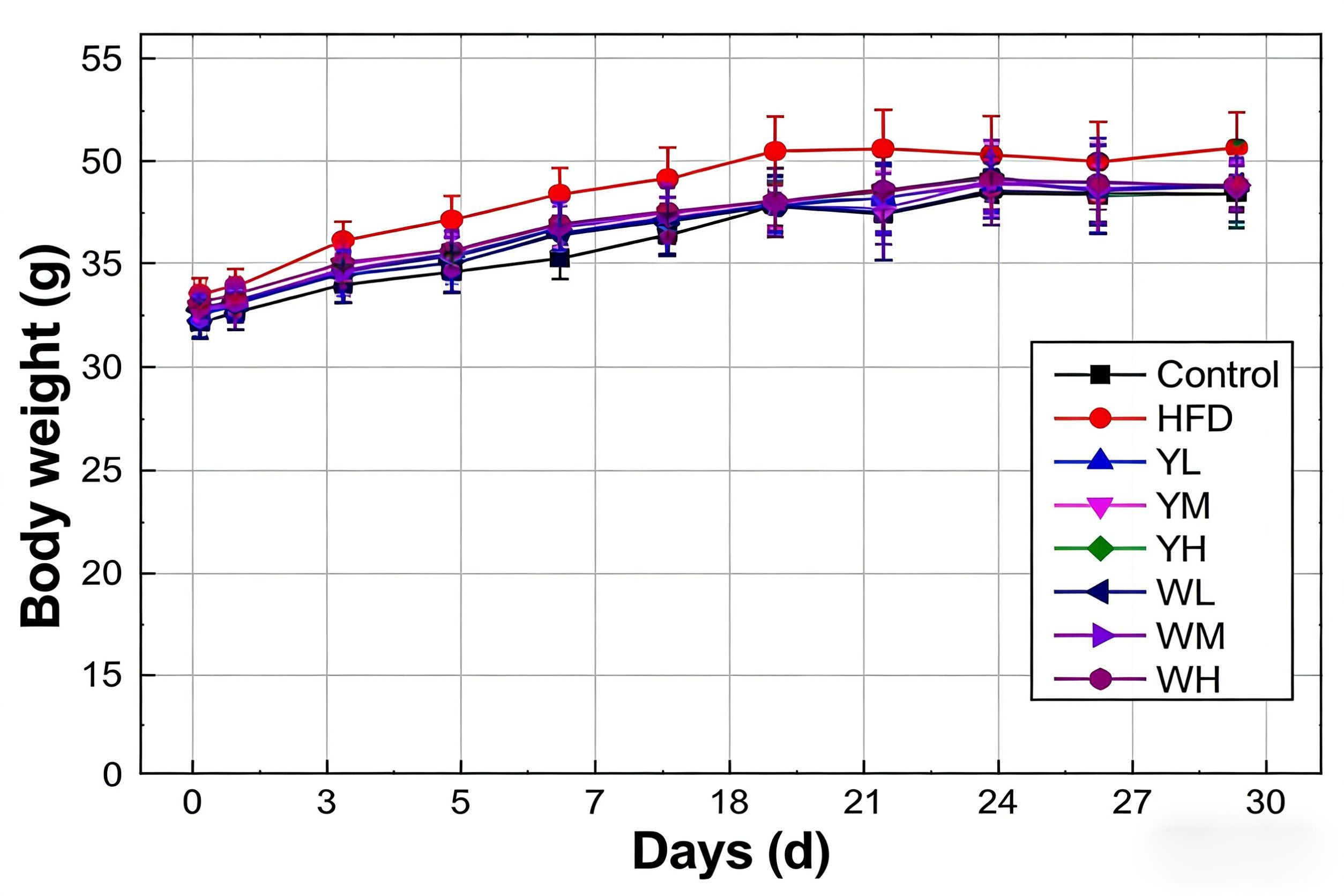
Figure 1-1 Effects of Pine Nut Oil and Pine Nut Oil Encapsulated Powder on Body Weight in Mice
(High-fat diet model group (HFD), high-dose pine nut oil group (YH), medium-dose pine nut oil group (YM), low-dose pine nut oil group (YL), high-dose pine nut oil encapsulated powder group (WH), medium-dose pine nut oil encapsulated powder group (WM), low-dose pine nut oil encapsulated powder group (WL))
The results show that there was no significant difference in body weight among all groups before intragastric administration (p > 0.05). As the days of intragastric administration increased, the body weight of mice in all groups showed an upward trend.
As shown in Figure 1-2, there was no significant difference in the average body weight of mice among all groups before the experiment (p > 0.05). After the experiment, the body weight of the HFD group was extremely significantly higher than that of the Control group (p < 0.01), and the body weights of YL, YM, and WL groups were significantly lower than that of the HFD group (p < 0.05).
In terms of weight gain, the HFD group showed extremely significantly greater weight gain than the Control group (p < 0.01). The weight gain of YL and WL groups was extremely significantly lower than that of the HFD group (p < 0.01), while the weight gain of YM and WM groups was significantly lower than that of the HFD group (p < 0.05).
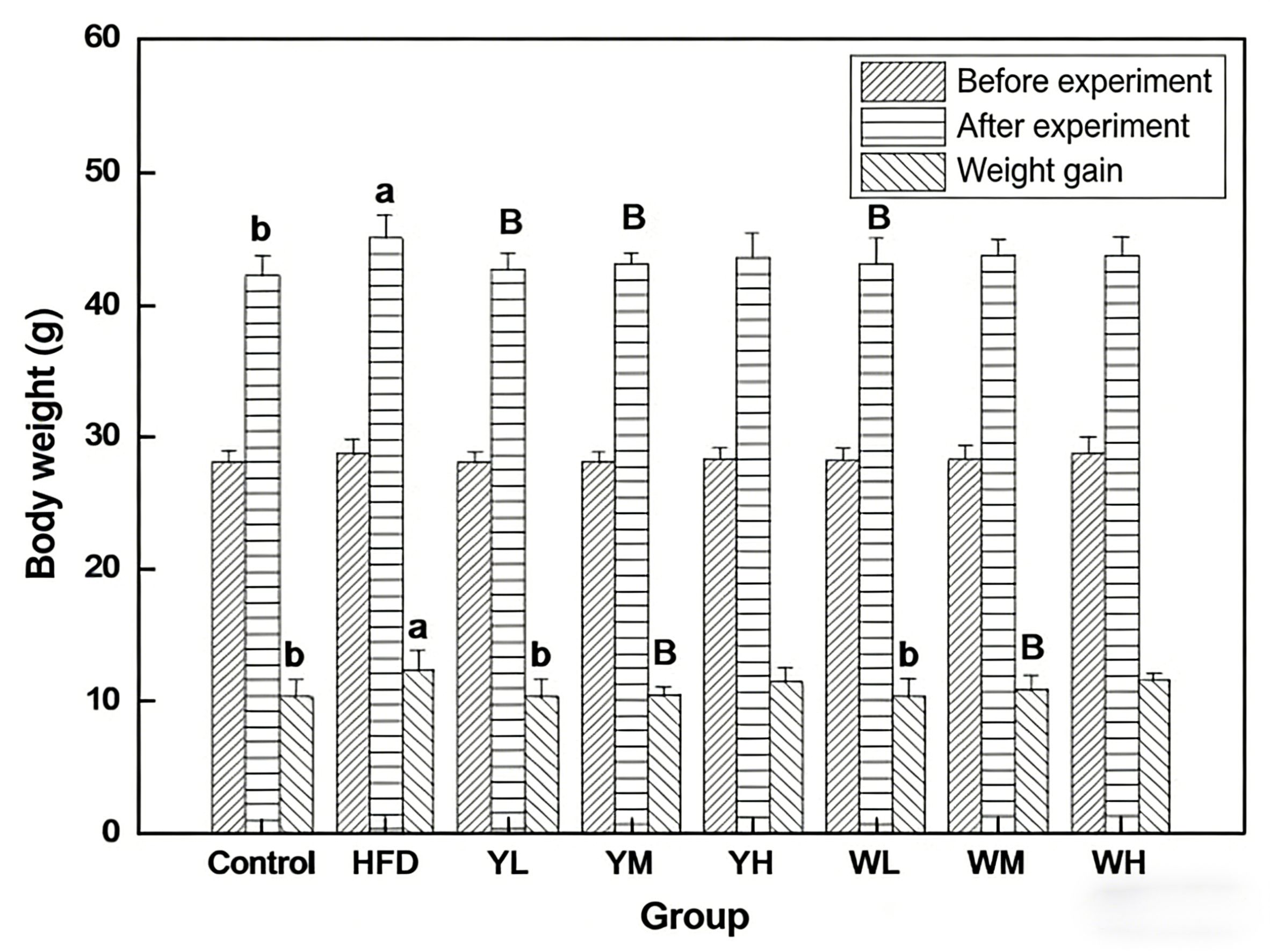
Figure 1-2 Effects of Pine Nut Oil and Pine Nut Oil Encapsulated Powder on Body Weight Changes in Mice
(A -- Significant difference compared with Control, p < 0.05; a -- Extremely significant difference compared with Control, p < 0.01.
B -- Significant difference compared with HFD, p < 0.05; b -- Extremely significant difference compared with HFD, p < 0.01).
The above experimental results show that after the experimental period, the average body weight and weight gain of the high-fat model group were significantly greater than those of the blank control group, proving that the high-fat model was successfully established. A comparison among the different dose groups reveals that high-dose pine nut oil and pine nut oil encapsulated powder did not significantly reduce weight gain, while medium-dose treatments had a significant effect, and low-dose treatments had an extremely significant effect in this regard.
It can be concluded that a certain dose of pine nut oil and pine nut oil encapsulated powder can alleviate the increase in body weight in mice. However, excessive intragastric administration of pine nut oil and pine nut oil encapsulated powder leads to an excessive intake of fat, which in turn causes an increase in body weight in mice.
It is well known that obesity is mostly caused by the accumulation of white adipose tissue, which is related to the activity of fat mobilization-related enzymes such as cAMP, PKA, HSL, and ATGL. Pine nut oil and pine nut oil encapsulated powder may alleviate weight gain in mice by regulating cAMP, increasing PKA levels, thereby enhancing HSL phosphorylation, and promoting fat mobilization.
In addition, the polyunsaturated fatty acid components in pine nut oil can promote the expression of fat activation genes, rapidly react with and activate the adipocyte transcription factor (PPARγ), downregulate elevated leptin levels, reduce leptin resistance, thereby inhibiting lipid synthesis, accelerating lipid decomposition, and lowering body fat levels in mice.
Furthermore, pine nut oil contains a unique unsaturated fatty acid, pinolenic acid, which can stimulate the secretion of cholecystokinin (CCK) and glucagon-like peptide (GLP-1) in the human body. These hormones help the body digest fat, send "satiety" signals to the brain to suppress appetite, and thus reduce food intake.
Pine nut oil can be consumed directly or processed into pine nut oil soft capsules. Pine nut oil encapsulated powder can be formulated into various supplements with pinolenic acid as the main active ingredient.
