
Digestive System Protective Effects of Seabuckthorn
March 19, 2026
Skin Protective Effects of Seabuckthorn
March 21, 2026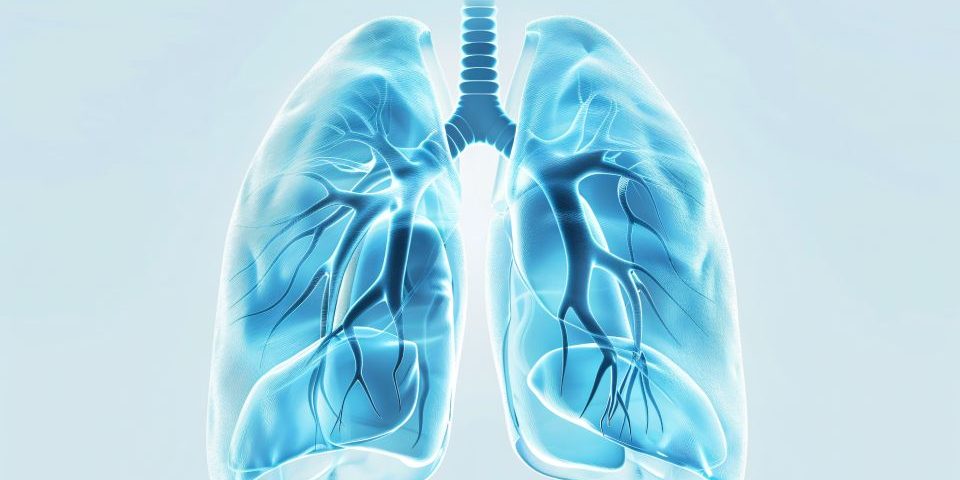
In the treatment of respiratory diseases, the antitussive and expectorant effects of seabuckthorn are highly consistent with the theories of Mongolian medicine, Tibetan medicine, and modern medical research.
In clinical practice, seabuckthorn is often formulated with Radix Aucklandiae, raisins, licorice, and Gardenia jasminoides to alleviate and treat respiratory diseases including acute pharyngitis, acute bronchitis, and chronic obstructive pulmonary disease (COPD).
The pharmacological mechanisms of seabuckthorn acting on the respiratory system have been partially clarified.Studies suggest that seabuckthorn may prevent oleic acid–induced acute respiratory distress syndrome (ARDS) through multiple pathways: inhibiting angiotensin-converting enzyme activity, regulating acetylcholinesterase release, modulating inflammatory cytokine levels, and suppressing apoptosis.
For COPD relief, seabuckthorn extract inhibits ferroptosis by scavenging reactive oxygen species (ROS) and blocking the p53/MAPK signaling pathway, thereby exerting protective effects.
Isorhamnetin, a major natural flavonoid in seabuckthorn, demonstrates significant therapeutic activity against respiratory diseases. It alleviates LPS-induced acute lung injury by inhibiting the mTOR signaling pathway and protects against pulmonary hypertension.
In addition, seabuckthorn-based preparations perform well in treating pulmonary diseases.The formula mentioned above improves lung function and inhibits inflammation in rats with LPS- and smoking-induced COPD by reshaping gut microbiota, increasing short-chain fatty acid production, and enhancing intestinal barrier function. Seabuckthorn fruit extract reduces pulmonary vascular hyperpermeability and maintains the integrity of the alveolar-capillary barrier in mice with LPS-induced acute lung injury.
