
Sodium Butyrate Matches Omeprazole in Gastric Ulcer Healing: A Triple-Action Mechanism for GI Formulations
June 28, 2026
Low-Dose Astaxanthin Cuts Proteinuria by 60% and Outperforms Losartan in Diabetic Kidney Disease
June 30, 2026Sea Buckthorn Oil Outperforms Spontaneous Healing for Ear Drum Perforation: 50% Faster Healing, 64% Lower Infection Risk
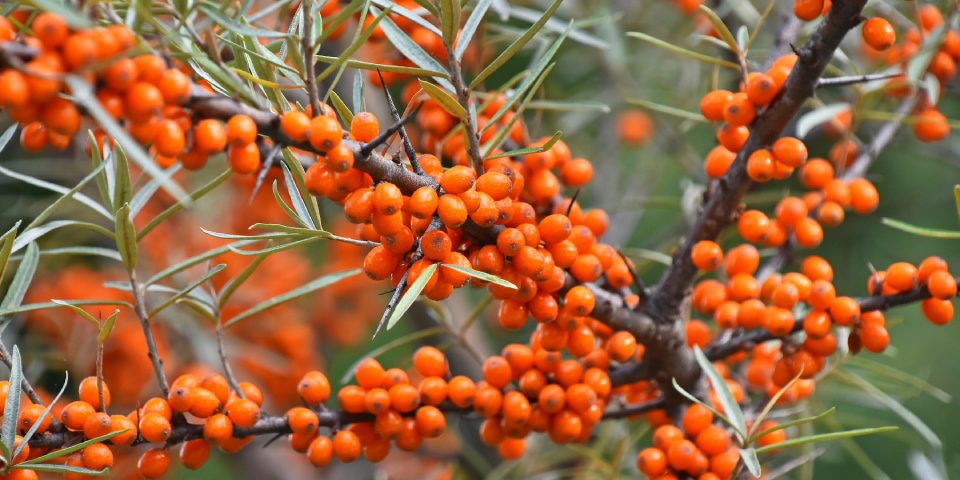
Peer-reviewed RCT published in Chinese Journal of Otology (2026) demonstrates that sea buckthorn oil cotton patch therapy outperforms spontaneous healing across all perforation sizes, cutting healing time by 50%.
Background: Traumatic Tympanic Membrane Perforation
Traumatic tympanic membrane perforation (TTMP) is a common emergency in otolaryngology, accounting for 20–30% of all ENT trauma cases. The condition is typically caused by direct or indirect blunt force to the eardrum — including slap injury, explosion shockwave, or accidental Q-tip trauma — and presents with hearing loss, tinnitus, otalgia, and ear bleeding.
Current standard care involves two approaches, both with significant limitations:
⚠ Spontaneous Healing (Watchful Waiting)
- Small perforations: 4–6 weeks to heal; ~96.7% success
- Medium perforations: 6–8 weeks; ~73.9% success
- Large perforations: 8–12+ weeks; only ~37.2% success
- 20–30% of all perforations fail to heal spontaneously
- Extended period of hearing impairment and infection risk
⚠ Surgical Tympanoplasty
- Requires general or local anesthesia
- Surgical trauma, postoperative pain, longer recovery
- Risk of infection, graft failure, recurrent perforation
- High cost; not suitable for all patients
- Success rate: 88–97%, but with surgical morbidity
There is a clear clinical need for a non-invasive, office-based therapy that accelerates healing across all perforation sizes — without surgical risks. Sea buckthorn oil has emerged as a promising natural therapeutic in this context.
Study Design: 722-Patient RCT (2015–2025)
The study was conducted at Jingbian County People’s Hospital and the 940th Hospital of PLA (Gansu, China), enrolling 722 patients with traumatic tympanic membrane perforation confirmed by otoscopy. Patients were randomly assigned to:
Observation Group (n=378)
Intervention: Sea buckthorn oil cotton patch applied under endoscope. Cotton patch (0.2–0.3 mm thick) sized to cover 2–3 mm of healthy tissue beyond the perforation margin. Dressed every 2–3 days with 2–3 drops of sea buckthorn oil. Treatment continued until complete closure.
Control Group (n=344)
Intervention: Spontaneous healing protocol. Patients instructed to keep ear dry, avoid nose blowing, and prevent upper respiratory infection. No active topical therapy. Follow-up every 1–2 weeks with otoscopic monitoring.
Perforation size was classified as: small (<3 mm diameter), medium (3–5 mm), and large (>5 mm). Healing was assessed by otoscopic imaging at each visit, with follow-up extending to 3–6 months post-injury.
Key Results: Sea Buckthorn Oil Dramatically Improves Healing
Overall Healing Rate
| Perforation Size | Sea Buckthorn Oil (n=378) | Spontaneous Healing (n=344) | P-value |
|---|---|---|---|
| Small (<3 mm) | 100% (132/132) | 96.7% (116/120) | 0.034 |
| Medium (3–5 mm) | 100% (152/152) | 73.9% (102/138) | <0.001 |
| Large (>5 mm) | 98.9% (93/94) | 37.2% (32/86) | <0.001 |
| Total | 99.7% (377/378) | 72.7% (250/344) | <0.001 |
The most striking finding: For large perforations (>5 mm), spontaneous healing achieves only a 37.2% success rate — meaning nearly 2 out of 3 patients would require surgery. Sea buckthorn oil raised this to 98.9%, effectively eliminating the need for surgical intervention in this patient population.
Healing Time (Mean ± SD)
| Perforation Size | Sea Buckthorn Oil | Spontaneous Healing | Time Reduction |
|---|---|---|---|
| Small (<3 mm) | 7.2 ± 2.5 days | 14.7 ± 8.6 days | −51% |
| Medium (3–5 mm) | 16.6 ± 5.2 days | 30.5 ± 11.9 days | −46% |
| Large (>5 mm) | 28.1 ± 5.8 days | 42.8 ± 13.7 days | −34% |
Across all perforation sizes, sea buckthorn oil reduced healing time by approximately 34–51%, allowing patients to regain hearing function and return to normal activity roughly twice as fast as spontaneous healing.
Time-stratified Healing Rate
The study also tracked cumulative healing rates at different time windows:
| Time Window | Sea Buckthorn Oil | Spontaneous Healing |
|---|---|---|
| Weeks 1–2 (Early phase) | 51.9% | 21.8% |
| Weeks 3–4 (Mid phase) | 77.8% | 49.7% |
| Weeks 5–8 (Late phase) | 97.6% | 62.5% |
| >8 weeks | 99.7% | 72.7% |
The early-phase advantage (51.9% vs. 21.8% by week 2) is particularly clinically meaningful: patients experience faster symptomatic relief and reduced infection risk during the critical early post-injury period.
Why Sea Buckthorn Oil Works: The Multi-Pathway Mechanism
Sea buckthorn oil is a natural oil extracted from the berries and seeds of Hippophae rhamnoides, rich in bioactive compounds that collectively create an optimal environment for tympanic membrane tissue regeneration.
Four Mechanistic Pathways Identified
① Epithelial Cell Proliferation
Sea buckthorn oil stimulates marginal epithelial cell hyperplasia at the perforation edge, with cells migrating centripetally to rapidly cover the defect. This is the primary mechanism behind the accelerated healing time observed in the study.
② Anti-Inflammatory Action
The oil’s flavonoids and vitamin E suppress pro-inflammatory cytokines at the perforation site, reducing local edema and preventing the prolonged inflammation that delays healing in larger perforations.
③ Antioxidant & Membrane Stabilization
High concentrations of vitamins C and E, plus carotenoids, neutralize reactive oxygen species (ROS) generated by traumatic injury — protecting regenerating epithelial cells from oxidative damage.
④ Moist Wound Healing Environment
The cotton patch delivery system maintains a persistently moist microenvironment at the perforation site — a well-established principle in wound healing that accelerates epithelialization vs. dry scab formation.
• Vitamin E (tocopherols): 100–180 mg/100g — antioxidant, membrane stabilization
• Vitamin C: 200–1500 mg/100g (berry pulp) — collagen synthesis, antioxidant
• Unsaturated fatty acids (omega-7, -3, -6, -9): ~85% of total fatty acids — cell membrane building blocks, anti-inflammatory
• Flavonoids (quercetin, isorhamnetin): anti-inflammatory, antioxidant, microcirculation improvement
• Carotenoids (β-carotene): epithelial cell differentiation, mucosal repair
Safety Profile: 6.3% Adverse Reaction Rate, All Mild
A critical concern for any topical ear therapy is safety — particularly the risk of ototoxicity or allergic reaction. The study’s safety data is highly reassuring:
| Adverse Event | Incidence (n=378) | Severity | Management |
|---|---|---|---|
| Mild ear canal pruritus (itching) | 10 (2.6%) | Mild | Self-resolved in 2–3 days with reduced oil volume |
| Otorrhea (ear discharge/purulence) | 8 (2.1%) | Mild | Temporary discontinuation + antibiotic ear drops; resumed after resolution |
| Transient pinpoint bleeding at perforation | 2 (0.5%) | Mild | Self-limited; cotton ball compression |
| Mild nausea (odor-related) | 3 (0.8%) | Mild | Postprandial administration + hydration; resolved |
| Mild dizziness | 1 (0.3%) | Mild | Self-resolved; no recurrence on continued treatment |
Notably, no patients discontinued treatment due to adverse events. All reactions were self-limiting or readily managed with minor adjustments. The infection rate in the sea buckthorn oil group (2.1%) was also significantly lower than the spontaneous healing group (5.8%, P=0.020), suggesting a possible antimicrobial or barrier-protective effect of the oil-cotton patch.
The study authors note that sea buckthorn oil has previously been shown to be non-ototoxic in animal models (guinea pig cochlear function testing), providing additional safety context for otic topical use.
Clinical Application Guide for ENT Formulators & Procurement
For pharmaceutical and nutraceutical companies developing ENT topical formulations, the study provides a clear evidence base for sea buckthorn oil as a bulk active ingredient. Key formulation considerations include:
Delivery System
The cotton patch method (0.2–0.3 mm thickness, 2–3 mm beyond perforation margin) provides sustained contact. Alternative delivery systems for commercial products may include pre-impregnated patches, gel formulations, or dropper applications.
Dosing Frequency
In the clinical study, dressing changes every 2–3 days with 2–3 drops of oil per application maintained optimal moist healing. Commercial formulations should consider release kinetics and patient compliance.
Oil Purity & Source
Therapeutic efficacy correlates with bioactive concentration. Supercritical CO₂-extracted sea buckthorn oil preserves the full spectrum of fatty acids, flavonoids, and vitamins without solvent residues — the preferred grade for pharmaceutical application.
Combination Therapy
The study protocol included concurrent nasal decongestant (1% ephedrine) to maintain eustachian tube patency, plus 7–10 days of oral antibiotics. Formulators should consider whether combination products offer clinical advantage.
Frequently Asked Questions
Yes. The 722-patient clinical study reported a 6.3% adverse reaction rate, all mild and self-limiting. No patients discontinued treatment. Animal studies have also confirmed no ototoxic effects on cochlear function at therapeutic concentrations.
Sea buckthorn oil achieved a 99.7% healing rate non-invasively, vs. 88–97% for surgery. The oil eliminates surgical risks (anesthesia, postoperative pain, graft failure) and is suitable for patients who cannot tolerate or fear surgery. For large perforations specifically, the oil’s 98.9% success rate effectively replaces the surgical indication in many cases.
Four pathways: (1) stimulating epithelial cell proliferation at the perforation margin; (2) suppressing local inflammatory cytokines; (3) neutralizing ROS via vitamin C/E and carotenoids; (4) maintaining a moist wound environment via the cotton patch delivery system. The combined effect is faster and more complete healing across all perforation sizes.
Pharmaceutical- or food-grade sea buckthorn oil produced by supercritical CO₂ extraction is preferred, as it preserves the full bioactive spectrum (unsaturated fatty acids, flavonoids, vitamins) without solvent residues. The oil should meet specified standards for peroxide value, acid value, and heavy metals. Bulk supply specifications are available here.
Yes. The study demonstrated efficacy across small (<3 mm), medium (3–5 mm), and large (>5 mm) perforations. The absolute benefit is greatest for medium and large perforations, where spontaneous healing rates drop to 73.9% and 37.2% respectively — vs. 100% and 98.9% with sea buckthorn oil.
The key compounds are: unsaturated fatty acids (omega-7/palmitoleic acid ~30–40%, omega-3, -6, -9), vitamin E (tocopherols, 100–180 mg/100g), flavonoids (quercetin, isorhamnetin), vitamin C, and carotenoids (β-carotene). These act synergistically to promote epithelial proliferation, reduce inflammation, and protect regenerating tissue from oxidative damage.
Source Pharmaceutical-Grade Sea Buckthorn Oil for ENT Formulations
TongyuBio supplies bulk sea buckthorn oil (supercritical CO₂ extracted) with full bioactive preservation, supporting clinical-grade ENT topical products. Request a sample and technical dossier.
Request Samples & Specifications Contact Technical TeamReferences
1. Wang X, Zhong C, Tian H, Chen C, Li Z. Clinical efficacy analysis of seabuckthorn oil in treating traumatic tympanic membrane perforation. Chinese Journal of Otology. 2026;24(5):406–410. DOI: 10.3969/j.issn.1672-2922.2026.05.005
2. Grant JR, Arganbright J, Friedland DR. Outcomes for conservative management of traumatic conductive hearing loss. Otol Neurotol. 2008;29(3):344–349.
3. Fei J, Zhou W, Li J. Gelatin sponge patch in traumatic tympanic membrane perforation (62 cases). Chinese Journal of Otorhinolaryngology Head and Neck Surgery. 2009;9(5):319.
4. Zhang L, Liu J, Li C, et al. Compressed facial mask patch for traumatic tympanic membrane perforation. Journal of Clinical Otorhinolaryngology Head and Neck Surgery. 2016;30(22):1807–1809.
5. Zhou W, Wang L, Zou F, et al. Endoscopic sea buckthorn oil cotton patch for traumatic tympanic membrane perforation. Journal of Audiology and Speech Diseases. 2011;19(3):273–274.
6. Jiang Y, Hei Y, Wang W. Sea buckthorn oil for traumatic tympanic membrane perforation (45 cases). Journal of Clinical Otorhinolaryngology. 1997;13(7):329.
7. Zang Q, Deng Q, Cong R, et al. Research progress on functional components and pharmacological effects of sea buckthorn oil. China Oils and Fats. 2015;40(5):76–81.
