
Sodium Butyrate — Atherosclerosis Plaque Formation & NOD1/RIP2/NF-κB Pathway
June 24, 2026
Sea Buckthorn Oil Outperforms Spontaneous Healing for Ear Drum Perforation: 50% Faster Healing, 64% Lower Infection Risk
June 28, 2026Sodium Butyrate Matches Omeprazole in Gastric Ulcer Healing: A Triple-Action Mechanism for GI Formulations
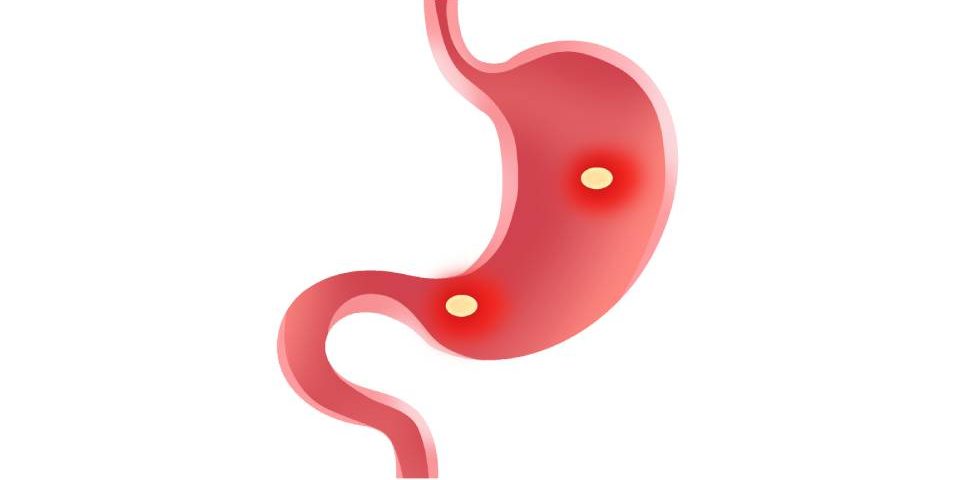
Sodium butyrate (NaB) has long been valued for its role in colonic epithelial health, but its therapeutic potential for upper gastrointestinal conditions is now drawing serious research attention. A 2024 study by Lian Jian, Wu Zhihui, and Ye Huoquan at Fujian Health College, published in Chinese Journal of Microecology, systematically examined how NaB affects intestinal inflammation and gut microbiota composition in gastric ulcer model rats — revealing a three-way mechanism: mucosal repair factor upregulation → inflammatory cytokine suppression → TLR4/NF-κB pathway inhibition with gut flora restoration. At 400 mg/kg, NaB matched omeprazole efficacy across all endpoints.
Gastric Ulcer, Gut Inflammation, and the Search for a Safer Modulator
Gastric ulcer (GU) is one of the most prevalent digestive diseases worldwide, characterized by recurrent episodic upper abdominal pain, acid reflux, heartburn, and endoscopically visible mucosal erosions. While proton pump inhibitors (PPIs), H₂-receptor blockers, and antacids remain the clinical standard, long-term use is associated with poor healing, post-cessation relapse, and concerns about extended drug exposure. The demand for safer, mechanistically distinct therapeutic options is significant.
Sodium butyrate (NaB) is the sodium salt of butyric acid, a short-chain fatty acid (SCFA) produced by colonic bacterial fermentation of dietary fiber. While its role in colonic health is well-documented — including remission of ulcerative colitis and Crohn's disease — recent evidence suggests NaB's anti-inflammatory and mucosal-repairing properties extend beyond the colon. A 2022 clinical study found that adding NaB to standard Helicobacter pylori quadruple therapy significantly improved gastric ulcer outcomes, pointing toward a broader gastroprotective role.
This 2024 study builds on that foundation, using a validated rat gastric ulcer model to dissect the specific mechanisms by which NaB exerts its effects across three interconnected axes: mucosal repair factor expression, systemic inflammatory cytokine levels, and gut microbiota composition and TLR4/NF-κB signaling.
Why the TLR4/NF-κB pathway matters in gastric ulcer: Gut dysbiosis releases excess endotoxins (lipopolysaccharides, LPS) into circulation, which bind Toll-like receptor 4 (TLR4) on mucosal and immune cells. TLR4 activation recruits downstream signaling cascades that converge on NF-κB nuclear translocation — driving expression of TNF-α, IL-6, IL-1β, and adhesion molecules. This inflammation impairs microcirculation at ulcer margins, inhibits epithelial regeneration, and ultimately delays mucosal healing. Blocking this pathway upstream at TLR4 is a high-value therapeutic target.
Study Design: Five-Group Rat Model with Dose Comparison
The researchers used 40 SPF-grade Sprague-Dawley rats (6–8 weeks old, 180–240 g) and established gastric ulcers via the HCl + ethanol method — a well-validated dual-insult model where ethanol directly disrupts the gastric mucosal barrier and HCl accelerates tissue damage. After 12 h fasting (water allowed), rats received an intragastric dose of 150 mmol/L HCl dissolved in 60% ethanol (2 mL). Model success was confirmed in randomly selected rats 3 h post-induction by visual inspection showing congestion, redness, and ulceration.
| Group | Dose | n | Intervention |
|---|---|---|---|
| Normal | — | 8 | No ulcer induction; saline gavage |
| Model | — | 8 | HCl + ethanol ulcer model; saline gavage |
| NaB Low-dose | 200 mg/kg | 8 | Once daily gavage, 5 consecutive days |
| NaB High-dose | 400 mg/kg | 8 | Once daily gavage, 5 consecutive days |
| Omeprazole (Control) | 20 mg/kg | 8 | PPI reference standard; once daily, 5 days |
The omeprazole group serves as a positive control — a clinically standard PPI. The study's primary comparison of interest is NaB high-dose vs. omeprazole, testing whether NaB achieves equivalent therapeutic efficacy via a distinct mechanism.
Result 1: Ulcer Area and Mucosal Morphology
Post-intervention, gastric tissue was dissected, opened along the greater curvature, photographed, and ulcer area measured using ImageJ software. Ulcer inhibition rate was calculated relative to the model group baseline. HE-stained histology sections provided additional morphological context.
| Group | Dose (mg/kg) | Ulcer Area (mm²) | Inhibition Rate (%) |
|---|---|---|---|
| Normal | — | 0 | 100 |
| Model | — | 57.41 ± 6.57 | 0 |
| NaB Low-dose | 200 | 39.44 ± 5.80* | 30.61 ± 5.47 |
| NaB High-dose | 400 | 20.75 ± 5.53* | 61.73 ± 6.81 |
| Omeprazole | 20 | 19.83 ± 4.26* | 65.53 ± 8.75 |
* P<0.05 vs. model group. NaB high-dose vs. omeprazole: P>0.05 (not significantly different). All data expressed as mean ± SD, n=8 per group.
Histologically, the model group showed severe mucosal epithelial disruption, prominent submucosal edema, and extensive necrotic foci. Both NaB groups and the omeprazole group demonstrated markedly reduced epithelial damage, less submucosal edema, and fewer necrotic lesions — with the high-dose NaB group showing near-equivalent restoration to omeprazole-treated tissue.
Result 2: Mucosal Repair Factors MUC5AC and EGF
Two key mucosal repair factors were assessed by fluorescence quantitative PCR: MUC5AC (mucin 5AC, expressed in gastric pit epithelium — central to mucosal barrier maintenance, epithelial renewal, cell adhesion regulation, and post-injury repair) and EGF (epidermal growth factor — suppresses gastric acid secretion, promotes epithelial cell proliferation, and maintains mucosal integrity).
| Group | Dose (mg/kg) | MUC5AC mRNA (relative) | EGF mRNA (relative) |
|---|---|---|---|
| Normal | — | 1.00 | 1.00 |
| Model | — | 0.33 ± 0.08* | 0.37 ± 0.11* |
| NaB Low-dose | 200 | 0.48 ± 0.11† | 0.55 ± 0.10† |
| NaB High-dose | 400 | 0.72 ± 0.15† | 0.75 ± 0.13† |
| Omeprazole | 20 | 0.79 ± 0.12† | 0.82 ± 0.08† |
* P<0.05 vs. normal group; † P<0.05 vs. model group. NaB high-dose vs. omeprazole: P>0.05 for both MUC5AC and EGF. Expression normalized to normal group = 1.00.
What this means: The ulcer model suppressed both MUC5AC and EGF to approximately one-third of normal levels — confirming severe mucosal barrier compromise. NaB dose-dependently restored both repair factors, with the high-dose group recovering to ~72–75% of normal MUC5AC/EGF expression. This matches omeprazole's restoration profile (79–82%), suggesting NaB promotes mucosal regeneration through mechanisms that partly overlap with, and partly complement, acid suppression.
Result 3: Serum Inflammatory Cytokines
ELISA was used to measure three classic pro-inflammatory cytokines in peripheral blood serum: IL-6 (interleukin-6), IL-1β (interleukin-1 beta), and TNF-α (tumor necrosis factor alpha). All three are key mediators of the inflammatory cascade that perpetuates ulcer damage, impairs microcirculation, and inhibits healing.
| Group | Dose (mg/kg) | IL-6 (µg/L) | IL-1β (µg/L) | TNF-α (µg/L) |
|---|---|---|---|---|
| Normal | — | 72.36 ± 9.51 | 54.19 ± 7.85 | 4.35 ± 1.17 |
| Model | — | 194.23 ± 11.74* | 163.28 ± 10.41* | 15.84 ± 2.31* |
| NaB Low-dose | 200 | 145.74 ± 13.28† | 126.11 ± 11.35† | 10.97 ± 2.44† |
| NaB High-dose | 400 | 111.95 ± 10.60† | 83.61 ± 8.59† | 7.38 ± 2.05† |
| Omeprazole | 20 | 107.68 ± 7.48† | 78.36 ± 7.23† | 5.92 ± 1.26† |
* P<0.05 vs. normal; † P<0.05 vs. model. NaB high-dose vs. omeprazole: P>0.05 for all three cytokines.
IL-6 ↓ 42.4%
Dropped 42.4% in NaB high-dose group vs. model. IL-6 drives neutrophil/macrophage activation and amplifies the inflammatory cascade at ulcer margins.
IL-1β ↓ 48.8%
Dropped 48.8% in NaB high-dose group. IL-1β promotes oxidative stress, triggers vascular permeability changes, and directly impairs wound healing dynamics.
TNF-α ↓ 53.4%
Dropped 53.4% in NaB high-dose group vs. model. TNF-α is a master inflammatory cytokine — its sustained elevation delays tissue regeneration and promotes ulcer recurrence.
Result 4: Gut Microbiota — Diversity and Phylum-Level Composition
Post-intervention fecal samples were profiled by 16S rDNA high-throughput sequencing. The study examined both alpha diversity (Shannon index — species richness within a sample) and beta diversity (overall community structure differences between groups), as well as phylum-level relative abundance of the three dominant gut bacterial phyla.
| Group | Shannon Index | Bacteroidetes (%) | Proteobacteria (%) | Firmicutes (%) |
|---|---|---|---|---|
| Normal | Higher (reference) | Higher | Lower | Stable |
| Model | ↓ Reduced* | ↓ Decreased* | ↑ Elevated* | — |
| NaB Low-dose (200 mg/kg) | ↑ Partially restored† | ↑ Partially restored† | ↓ Reduced† | — |
| NaB High-dose (400 mg/kg) | ↑↑ Significantly restored† | ↑↑ Significantly restored† | ↓↓ Significantly reduced† | — |
| Omeprazole | ↑↑ Comparable to NaB HD† | ↑↑ Comparable† | ↓↓ Comparable† | — |
* P<0.05 vs. normal group; † P<0.05 vs. model group. NaB high-dose vs. omeprazole: P>0.05 for all microbiota indicators. Beta diversity PCoA analysis showed model and normal group samples clustered separately, with NaB-treated groups positioned between them — indicating partial microbiota restoration.
Why Proteobacteria elevation matters: Proteobacteria are a gram-negative phylum associated with dysbiosis and increased gut permeability. Their relative enrichment releases excess lipopolysaccharides (endotoxins) into the bloodstream, directly activating TLR4 on mucosal and immune cells — the upstream trigger for NF-κB-driven inflammation. Sodium butyrate simultaneously reduces Proteobacteria abundance and suppresses TLR4/NF-κB signaling, suggesting a coordinated gut–immune axis intervention.
Result 5: TLR4/NF-κB Pathway Proteins in Intestinal Tissue
Western blot was used to quantify three key signaling proteins in intestinal tissue: TLR4 (Toll-like receptor 4 — upstream sensor activated by bacterial endotoxins), NF-κB p65 (the active transcription factor subunit that drives pro-inflammatory gene expression), and IκBα (the inhibitory protein that sequesters NF-κB in the cytoplasm — its degradation releases active NF-κB; its restoration reverses the inflammatory state).
Gastric Ulcer Model Group
- TLR4 expression: significantly elevated (P<0.05 vs. normal)
- NF-κB p65 expression: significantly elevated (P<0.05 vs. normal)
- IκBα expression: significantly reduced (P<0.05 vs. normal)
- Net effect: constitutive NF-κB activation → sustained inflammatory gene expression
NaB High-dose Group (400 mg/kg)
- TLR4 expression: significantly reduced vs. model (P<0.05)
- NF-κB p65 expression: significantly reduced vs. model (P<0.05)
- IκBα expression: significantly elevated vs. model (P<0.05)
- No significant difference from omeprazole group on all three proteins (P>0.05)
Integrated Mechanism: How NaB Heals Gastric Ulcers
This study establishes a coherent, multi-level mechanism of action for sodium butyrate in gastric ulcer disease. The chain of effects operates simultaneously across the mucosal, systemic, and microbial compartments:
Mucosal Barrier Restoration
NaB upregulates MUC5AC mucin expression — essential for epithelial cell turnover, adhesion regulation, and physical protection of the gastric mucosa against acid and pepsin.
Epithelial Regeneration Signaling
EGF upregulation suppresses acid secretion while driving epithelial cell proliferation — a direct pro-healing signal that accelerates mucosal wound closure.
Microbiota Rebalancing
NaB increases alpha diversity (Shannon index) and restores Bacteroidetes/Proteobacteria balance — reducing endotoxin load and breaking the dysbiosis → inflammation feedback loop.
TLR4/NF-κB Suppression
NaB suppresses TLR4 and NF-κB p65 expression while restoring IκBα — clamping the innate immune inflammatory gate and reducing downstream cytokine production.
Cytokine Normalization
IL-6, IL-1β, and TNF-α are reduced dose-dependently — with high-dose NaB achieving cytokine levels statistically equivalent to omeprazole treatment.
Omeprazole-Equivalent Efficacy
Across all six endpoints measured — ulcer area, inhibition rate, MUC5AC, EGF, cytokines, and microbiota — NaB 400 mg/kg showed no statistically significant difference from omeprazole 20 mg/kg.
B2B Applications: Where This Research Points
Gastrointestinal Health Supplements
NaB supports gastric mucosal repair and gut flora balance — positioning it as an active ingredient for GI health capsule formulations, especially for consumers managing chronic gastric discomfort.
Functional Foods & Nutraceuticals
As a SCFA derived from natural fermentation, NaB suits clean-label functional food formats — probiotic supplements, fiber-fortified products, and gut-health beverages targeting digestive wellness.
Microbiome Modulators
NaB's ability to restore Bacteroidetes abundance and reduce Proteobacteria enrichment makes it a relevant co-ingredient alongside probiotics and prebiotics in microbiome-targeted formulations.
Clinical Nutrition & Medical Foods
The anti-inflammatory mechanism (TLR4/NF-κB) and mucosal repair effects (MUC5AC/EGF) make NaB relevant for enteral nutrition products designed for hospitalized patients with GI mucosal compromise.
Veterinary & Animal Feed
Gastric integrity and gut microbiota balance are equally critical in livestock. NaB is already widely used in poultry and swine feed — this data extends its evidence base to gastric protection applications.
Combination Therapy Support
The clinical evidence of NaB enhancing H. pylori quadruple therapy outcomes positions it as a synergistic add-on ingredient for anti-ulcer protocol support formulas in integrative GI health brands.
Discussion: What This Study Adds — and Its Limitations
- NaB as a mechanistic complement to PPIs: Omeprazole works primarily by suppressing acid secretion via H⁺/K⁺-ATPase inhibition — a pharmacologically distinct mechanism from NaB's anti-inflammatory and microbiota-modulating actions. The equivalent efficacy seen here suggests the two may act synergistically in clinical settings, rather than substituting for each other.
- The gut–stomach connection: One of the most important implications of this study is the gut–stomach axis insight. By restoring Bacteroidetes, reducing Proteobacteria, and suppressing the LPS → TLR4 → NF-κB cascade in intestinal tissue, NaB addresses gastric disease through a microbiome-mediated systemic mechanism — not just locally at the ulcer site.
- Dose dependency is clear: Low-dose NaB (200 mg/kg) produced meaningful effects, but high-dose (400 mg/kg) consistently reached omeprazole-equivalent outcomes across all endpoints. This dose-response relationship supports the importance of adequate dosing for therapeutic utility.
- Limitations to note: This is a short-term (5-day) acute model study in rats using supraphysiological dosing. Human clinical translation requires long-term safety data, dose optimization for oral bioavailability, and validation in H. pylori-positive ulcer populations — the most prevalent clinical scenario.
Research gap: This study used a chemically-induced acute ulcer model (HCl + ethanol). Clinical gastric ulcers are predominantly H. pylori-associated or NSAID-induced — mechanistically distinct. Existing clinical data (Weng et al., 2022) suggest NaB enhances H. pylori quadruple therapy, but the specific pathway mechanisms in human ulcer populations require further investigation. Long-term microbiota effects beyond 5 days also remain unstudied.
Sourcing Guidance: Sodium Butyrate Specs for GI Health Formulations
For formulators sourcing food-grade sodium butyrate for gastrointestinal or anti-inflammatory applications, key specification parameters to verify:
- Purity: ≥98% sodium butyrate (assay by titration or HPLC) — consistent with the study material specification (Shanghai Macklin Biochemical)
- Heavy metals: <10 ppm total, <2 ppm lead, <1 ppm arsenic — especially relevant for high-dose formulations
- Moisture content: ≤3% — butyrate is hygroscopic; moisture affects stability and encapsulation performance
- Microbiological: Total plate count <1,000 CFU/g; absence of pathogens — critical for GI supplement applications
- Odor management: Microencapsulation or coating technology to mask butyric acid off-note — key for consumer-facing applications and soft gel/tablet formats
- Particle size: 100–200 mesh for powder blending; 50–100 µm mean diameter for encapsulated grades
- Documentation: FSSC 22000 / ISO 22000 food safety certification, CoA (purity, heavy metals, microbiological), MSDS, and country-specific regulatory dossier support (EU Novel Foods, FDA GRAS as applicable)
Frequently Asked Questions
What is sodium butyrate and how is it different from butyric acid?
Sodium butyrate (NaB) is the sodium salt of butyric acid, a 4-carbon short-chain fatty acid (SCFA) naturally produced by gut bacteria during fermentation of dietary fiber. NaB is more stable, less odorous, and easier to formulate into capsules or powders than free butyric acid, making it the most common butyrate supplement form. Both deliver butyrate to cells, but NaB's salt form makes it more practical for dietary supplement and functional food applications.
How does sodium butyrate help heal gastric ulcers?
Based on this 2024 study, NaB works through three complementary mechanisms: (1) it upregulates mucosal repair factors MUC5AC and EGF, directly promoting epithelial regeneration; (2) it restores gut microbiota balance — increasing Bacteroidetes, reducing Proteobacteria — which reduces the endotoxin load that triggers inflammatory cascades; and (3) it suppresses TLR4/NF-κB signaling in intestinal tissue, cutting downstream production of IL-6, IL-1β, and TNF-α that impair ulcer healing.
Can sodium butyrate replace omeprazole for gastric ulcers?
This study showed NaB at 400 mg/kg achieved equivalent outcomes to omeprazole 20 mg/kg in a rat acute ulcer model across all measured endpoints. However, this does not mean NaB should replace PPIs in clinical settings — they work through distinct mechanisms (NaB via anti-inflammatory/microbiome routes; omeprazole via acid suppression) and may be most valuable as complementary agents. A 2022 clinical study found adding NaB to standard H. pylori quadruple therapy significantly improved outcomes.
What is the TLR4/NF-κB pathway and why does it matter for gut health?
TLR4 (Toll-like receptor 4) is a pattern recognition receptor on immune and mucosal cells that detects bacterial lipopolysaccharides (LPS) — endotoxins released when gram-negative bacteria (like Proteobacteria) are present in excess. When TLR4 is activated by LPS, it triggers a signaling cascade ending in NF-κB nuclear translocation — which drives expression of pro-inflammatory cytokines (TNF-α, IL-6, IL-1β). In gut dysbiosis, this pathway is chronically overactivated. NaB suppresses both TLR4 expression and NF-κB p65 activation while restoring the natural inhibitor IκBα, effectively clamping the inflammatory signaling loop.
Does sodium butyrate affect the gut microbiome?
Yes — and this study provides specific data. In the gastric ulcer model, gut microbiota diversity (Shannon index) was significantly reduced and Proteobacteria were elevated compared to normal rats. NaB treatment dose-dependently restored Shannon diversity, increased Bacteroidetes abundance, and reduced Proteobacteria relative abundance — with high-dose NaB achieving outcomes equivalent to omeprazole. This suggests NaB works in part by creating a less pro-inflammatory gut microbial environment, feeding back to reduce systemic endotoxin exposure and TLR4 activation.
What are the B2B sourcing specifications for food-grade sodium butyrate?
For GI health formulations, key parameters include: purity ≥98%, moisture ≤3%, heavy metals <10 ppm total, total plate count <1,000 CFU/g, and absence of pathogenic organisms. Odor control is a practical challenge — microencapsulated or enteric-coated grades significantly improve consumer acceptability. TongyuBio's food-grade sodium butyrate is produced under FSSC 22000-certified conditions with full documentation support for regulatory submissions in EU, US, and Asia-Pacific markets.
Source Food-Grade Sodium Butyrate for Your Next Formulation
TongyuBio supplies high-purity (≥98%) food-grade sodium butyrate with full documentation — CoA, MSDS, FSSC 22000 certification, and regulatory support for EU, US, and Asia-Pacific markets. Available in both standard and microencapsulated formats for diverse application requirements.
Lian Jian, Wu Zhihui, Ye Huoquan. Effects of Sodium Butyrate on Intestinal Inflammation and Composition of Intestinal Flora in Rats with Gastric Ulcer. Chinese Journal of Microecology (中国微生态学杂志). 2024, 36(9): 1035–1040. DOI: 10.13381/j.cnki.cjm.202409007. Fund: FJJKGZ21-049. Fujian Health College; Fujian Provincial Maternal and Child Health Hospital; Second People's Hospital Affiliated to Fujian University of Traditional Chinese Medicine.
Key Supporting References
Clarke K, Adler N, Agrawal D, et al. Indications for the use of proton pump inhibitors for stress ulcer prophylaxis and peptic ulcer bleeding. Am J Med. 2022, 135(3): 313–317.
Weng Yaping, Huang Min, Zhu Xiaofei. Effect of sodium butyrate combined with quadruple therapy on gastrointestinal function and intestinal flora of H. pylori-associated gastric ulcer. China Mod Doct. 2022, 60(22): 74–79.
Facchin S, Vitulo N, Calgaro M, et al. Microbiota changes induced by microencapsulated sodium butyrate in patients with inflammatory bowel disease. Neurogastroenterol Motil. 2020, 32(10): e13914.
Zhou Y, Ji XW, Chen JJ, et al. Short-chain fatty acid butyrate: a novel shield against chronic gastric ulcer. Exp Ther Med. 2021, 21(4): 329.
Elnozahi NA, Said EA, Bistawroos AE, et al. Effect of sodium butyrate on gastric ulcer aggravation and hepatic injury inflicted by bile duct ligation in rats. Saudi Pharm J. 2020, 28(6): 675–682.
Liu Huahuan, Cao Yu, Xiao Zhipeng, et al. Effects of sodium butyrate on AOM/DSS inflammation-associated colorectal cancer mouse model and its gut microbiota. Chin J Cancer Prev Treat. 2021, 28(18): 1368–1377.
Shams SGE, Eissa RG. Amelioration of ethanol-induced gastric ulcer in rats by quercetin: implication of Nrf2/HO1 and HMGB1/TLR4/NF-κB pathways. Heliyon. 2022, 8(10): e11159.
Burgueño JF, Abreu MT. Epithelial Toll-like receptors and their role in gut homeostasis and disease. Nat Rev Gastroenterol Hepatol. 2020, 17(5): 263–278.
Tarnawski AS, Ahluwalia A. The critical role of growth factors in gastric ulcer healing: cellular and molecular mechanisms. Cells. 2021, 10(8): 1964.
Nath AN, Retnakumar RJ, Francis A, et al. Peptic ulcer and gastric cancer: is it all in the complex host-microbiome interplay? Front Microbiol. 2022, 13: 835313.
di Sabatino A, Morera R, Ciccocioppo R, et al. Oral butyrate for mildly to moderately active Crohn's disease. Aliment Pharmacol Ther. 2005, 22(9): 789–794.
Zhou Chao, Tang Hanlin, Xu Peng, et al. Alleviating effect and mechanism of butyrate on colitis injury in mice. Immunol J. 2020, 36(1): 28–33.
