
Sea Buckthorn Oil Outperforms Spontaneous Healing for Ear Drum Perforation: 50% Faster Healing, 64% Lower Infection Risk
June 28, 2026
Aesculin & Aesculetin: Pharmacology of Cortex Fraxini Coumarins
July 12, 2026Low-Dose Astaxanthin Cuts Proteinuria by 60% and Outperforms Losartan in Diabetic Kidney Disease
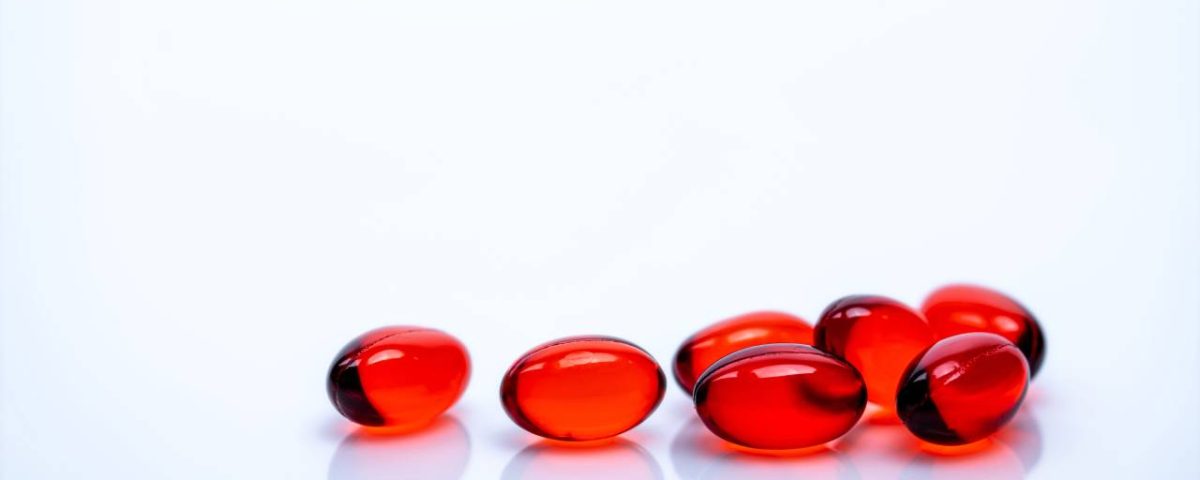
A master's thesis from Shanghai Jiao Tong University Affiliated Sixth People's Hospital (2016) demonstrates that astaxanthin at a low oral dose reduces 24-hour urinary albumin excretion by over 60%, normalizes blood urea nitrogen, and reverses glomerular pathology in type 2 diabetic db/db mice — via a novel ILK-inhibition mechanism that complements existing ACEi/ARB pharmacotherapy.
The Growing Challenge of Diabetic Nephropathy
Diabetic nephropathy (DN) is the leading cause of end-stage renal disease (ESRD) globally. By 2010, China surpassed India as the country with the largest diabetic population — 11.6% of adults affected — with 30–40% at risk of developing DN. Worldwide, ESRD incidence from DN is growing by 150 new cases per million population annually.
Standard pharmacotherapy (ACEi/ARB drugs such as losartan) reduces glomerular hyperfiltration and proteinuria, but significant residual renal risk remains. Novel nutritional interventions targeting upstream oxidative stress pathways are urgently needed. Enter astaxanthin — a marine carotenoid with antioxidant potency 100× that of α-tocopherol and 10× that of β-carotene.
Study Design: Two-Tier Experimental Approach
Researcher Tingting Lv (Shanghai Jiao Tong University, Geriatric Medicine) designed a two-part investigation under supervisor Prof. Sheng Ge at the Affiliated Sixth People's Hospital:
Part 1 — In Vitro: Human Podocytes
Conditionally immortalized human podocyte line cultured under high glucose (30 mmol/L). Astaxanthin added at three doses (10⁻⁶, 10⁻⁵, 10⁻⁴ mmol/L). Outcomes: apoptosis (Annexin V/PI flow cytometry) and adhesion rate (centrifugation assay).
Part 2 — In Vivo: db/db Mice (8-Week Intervention)
20 SPF male C57BLKs/J db/db mice (confirmed DN model: elevated FBG + urine ACR). Groups: Model Control (MG), Losartan 10 mg/kg (ARB), Low-dose ASX 30 mg/kg (LASX), High-dose ASX 60 mg/kg (HASX), vs. 5 db/m normal controls (NG).
Endpoints Assessed
FBG, OGTT/AUC, body weight, kidney weight/body weight index, BUN, serum creatinine, 24h urinary albumin, urinary ACR, renal histopathology (HE, PAS, electron microscopy), ILK protein expression (Western blot).
Part 1 Results: Podocyte Protection In Vitro
Apoptosis Suppression — Dose-Dependent
High glucose (30 mmol/L) significantly elevated early podocyte apoptosis from 2.7% (normal) to 7.7% (P<0.05). Astaxanthin intervention reduced apoptosis in a dose-dependent manner:
| Group | Apoptosis Rate (%) | vs. HG Group |
|---|---|---|
| Normal Glucose (NG) | 2.7 ± 0.74 | — |
| High Glucose (HG) | 7.7 ± 0.90 | Baseline↑ |
| Low-dose ASX (10⁻⁶ mmol/L) | 5.7 ± 1.0 | ↓26% (P<0.05) |
| Mid-dose ASX (10⁻⁵ mmol/L) | 5.2 ± 0.7 | ↓32% (P<0.05) |
| High-dose ASX (10⁻⁴ mmol/L) | 4.3 ± 0.9 | ↓44% (P<0.05) |
Adhesion Rate Restoration — High-Dose Effect
Podocyte adhesion rate plummeted from 83.3% (NG) to 37.9% under high glucose. High-dose astaxanthin dramatically restored adhesion to 67.2% — nearly double the HG group value, with statistical significance (P<0.05).
Part 2 Results: Renal Protection in db/db Mice
Glycemic Safety: Low Dose Is the Sweet Spot
🔴 Model Control (MG)
- FBG: 11.46 mmol/L
- AUC: 28.44 ± 8.33
- Baseline DN impairment
💊 Losartan ARB
- FBG: 12.38 mmol/L
- AUC: 28.56 ± 12.11
- No adverse glycemic effect
✅ Low-Dose ASX (30 mg/kg)
- FBG: 11.44 mmol/L
- AUC: 26.73 ± 8.44
- No adverse glycemic effect
⚠️ High-Dose ASX (60 mg/kg)
- FBG: 15.78 mmol/L
- AUC: 43.20 ± 10.61*
- Impaired glucose tolerance (P<0.05)
Renal Function: Low-Dose ASX Matches Normal Controls
| Group | BUN (mmol/L) | Serum Creatinine (μmol/L) | BUN vs. MG |
|---|---|---|---|
| Normal Control (NG) | 5.86 ± 0.93 | 35.80 ± 3.96 | — |
| Model Control (MG) | 9.32 ± 2.90* | 44.80 ± 8.41 | Baseline↑ |
| Losartan (ARB) | 10.38 ± 2.68* | 56.00 ± 20.41 | ↑ (no improvement) |
| Low-dose ASX | 5.86 ± 0.95 #& | 54.60 ± 27.74 | ↓37% (P<0.05 vs. MG & ARB) |
| High-dose ASX | 7.94 ± 0.60 | 46.20 ± 7.98 | ↓15% (ns) |
*P<0.05 vs. NG; # P<0.05 vs. MG; & P<0.05 vs. ARB
Proteinuria: 60%+ Reduction in 24h Urinary Albumin
| Group | 24h Urinary Albumin (μg/24h) | Urinary ACR (μg/mg) |
|---|---|---|
| Normal Control (NG) | 11.62 ± 2.08 | 37.10 ± 29.02 |
| Model Control (MG) | 76.39 ± 17.50* | 101.55 ± 35.48* |
| Losartan (ARB) | 64.84 ± 20.87* | 134.29 ± 62.92* |
| Low-dose ASX (LASX) | 30.32 ± 26.91 #& | 44.27 ± 25.68 #& |
| High-dose ASX (HASX) | 71.35 ± 15.33* | 113.82 ± 7.38* |
Renal Histopathology: Structural Restoration
Electron microscopy and HE/PAS staining revealed that the Model Control group exhibited classic DN pathology:
- Glomerular hypertrophy (20–30% volume increase)
- Glomerular basement membrane (GBM) thickening
- Mesangial matrix expansion and proliferation
- Podocyte foot process fusion/effacement
Low-dose astaxanthin produced the most pronounced pathological improvement among all treatment groups: GBM thickness was markedly reduced, foot process effacement was attenuated, and mesangial expansion was ameliorated. High-dose ASX showed minimal histological improvement, consistent with its adverse metabolic effects.
The ILK Mechanism: Astaxanthin's Novel Target
The most scientifically significant finding of this study was the identification of integrin-linked kinase (ILK) inhibition as a mechanistic pathway for astaxanthin's renoprotective action.
Hyperglycemia-Induced ROS
High glucose activates polyol, PKC, AGE, and hexosamine pathways → ROS overproduction
TGF-β1 Upregulation & ILK Overactivation
TGF-β1 activates its downstream mediator ILK → altered cytoskeletal actin distribution
Podocyte Injury Cascade
ILK inhibits GSK-3β → β-catenin nuclear translocation → Wnt pathway activation → podocyte phenotype change, apoptosis, detachment
Astaxanthin Intervention
ASX scavenges ROS + directly suppresses ILK overactivation → preserved podocyte integrity + reduced mesangial fibrosis
Antioxidant Architecture: Why Astaxanthin Reaches What Others Cannot
Transmembrane Positioning
Astaxanthin's polar end-groups anchor in phospholipid head groups while its polyene chain spans the membrane bilayer — enabling simultaneous ROS quenching on both cell membrane faces.
11 Conjugated Double Bonds
Hydroxyl and ketone groups forming α-hydroxyketone moieties, combined with 11 conjugated double bonds, enable efficient electron donation to neutralize free radicals and break oxidative chain reactions.
Stereoisomer Specificity
Only 3S,3'S-astaxanthin from H. pluvialis (100% levo-form) carries maximal biological activity. Synthetic astaxanthin is a mixed-isomer blend with minimal efficacy; yeast-derived (100% dextro) has partial activity.
Dystroglycan Preservation
By scavenging ROS that would otherwise deglycosylate α-dystroglycan, astaxanthin maintains the podocyte adhesion apparatus — preventing foot process effacement and GBM detachment.
Astaxanthin vs. Losartan: Head-to-Head Comparison
| Parameter | Normal Control | Model Control | Losartan (ARB) | Low-Dose ASX |
|---|---|---|---|---|
| BUN (mmol/L) | 5.86 | 9.32* | 10.38* | 5.86 #& |
| 24h Urinary Albumin (μg/24h) | 11.62 | 76.39* | 64.84* | 30.32 #& |
| Urinary ACR (μg/mg) | 37.10 | 101.55* | 134.29* | 44.27 #& |
| Renal Histopathology | Normal | Severe DN | Mild improvement | Most improved |
| ILK Expression | Low | Significantly elevated* | No significant change | Significantly reduced #& |
| Glucose Tolerance (AUC) | 13.84 | 28.44* | 28.56* | 26.73 (no adverse effect) |
*P<0.05 vs. NG; #P<0.05 vs. MG; &P<0.05 vs. ARB
B2B Formulation Applications for Renal Health
Diabetic Kidney Support Supplements
Target DN patients and pre-diabetics with elevated ACR. Combine with EPA/DHA and CoQ10 for synergistic anti-inflammatory and mitochondrial support.
Medical Nutrition Therapy (MNT) Protocols
As a natural adjunct to standard-of-care ARB/ACEi therapy, astaxanthin addresses the ILK pathway that drugs alone cannot target — positioning it for protocol inclusion.
Functional Food Ingredients
Encapsulated astaxanthin for fortification of diabetic-specific functional foods and beverages, targeting oxidative stress reduction as a primary mechanism of action.
Clinical Nutrition Research
Multiple published references (Naito et al. 2004; Sila et al. 2015) alongside this SJTU study build a convergent evidence base for clinical trial design in DN management.
Sourcing Guidance: Why H. pluvialis Is the Only Choice
✅ H. pluvialis (Algal)
- 100% 3S,3'S stereoisomer
- Maximum biological activity
- CFDA Novel Food (2012)
- Human use approved globally
- Used in all efficacy studies
⚡ Yeast-Derived
- 100% dextrorotatory (3R,3'R)
- Partial antioxidant activity
- Limited clinical evidence
- Lower potency than algal source
❌ Synthetic Astaxanthin
- Mixed stereoisomers (3 forms)
- Minimal antioxidant activity
- NOT approved for human use
- Approved only for animal feed
TongyuBio's Haematococcus pluvialis astaxanthin powder (1%, 1.5%, 5%) is cultivated in controlled photobioreactor systems to ensure consistent 3S,3'S stereoisomeric purity, validated by HPLC. Available in oil-dispersible powder format for nutraceutical encapsulation, functional food fortification, and clinical nutrition applications. Custom particle size and oil matrix configurations available for OEM partners.
Frequently Asked Questions
How does astaxanthin protect against diabetic nephropathy?
What dose is effective — and what dose should be avoided in diabetic populations?
What is ILK and why does it matter in diabetic kidney disease?
How does astaxanthin compare to losartan in this study?
Which source of astaxanthin has the highest bioactivity for renal applications?
Are there published human clinical trials on astaxanthin and diabetic kidney disease?
Study Limitations & Considerations
- Animal model: db/db mice recapitulate type 2 DN features but may not fully translate to human clinical settings. Species differences in astaxanthin metabolism should be considered.
- Sample size: 5 mice per intervention group is a limitation for statistical power; findings are directionally consistent with other published DN models.
- High-dose caution: The observed impairment of glucose tolerance at 60 mg/kg/day underscores the importance of careful dose-range studies before clinical scale-up.
- No human RCT: Clinical translation requires well-designed human trials. The mechanistic clarity of ILK suppression provides a strong hypothesis for such investigations.
- Serum creatinine: No statistically significant differences in serum creatinine were observed between groups, suggesting the renal protection was primarily at the early DN stage (albuminuria and BUN).
Ready to Formulate with Renal-Grade Astaxanthin?
TongyuBio supplies Haematococcus pluvialis astaxanthin powder (1%, 1.5%, 5%) with verified 3S,3'S stereoisomeric profile. Available in bulk quantities with full regulatory documentation for nutraceutical, functional food, and clinical nutrition applications.
Request Samples & Specifications Talk to a Formulation ExpertReferences
- Lv T. Protective effect of astaxanthin on diabetic nephropathy [Master's thesis]. Shanghai Jiao Tong University; 2016.
- Lv T, Liu H, Feng X, et al. Effect of astaxanthin on high glucose-induced podocyte injury. Chinese Journal of Blood Purification. 2015;14(12):736–738.
- Naito Y, Uchiyama K, Aoi W, et al. Prevention of diabetic nephropathy by treatment with astaxanthin in diabetic db/db mice. Biofactors. 2004;20(1):49–59.
- Sila A, Ghlissi Z, Kamoun Z, et al. Astaxanthin from shrimp by-products ameliorates nephropathy in diabetic rats. European Journal of Nutrition. 2015;54(2):301–307.
- Xu Y, Wang L, He J, et al. Prevalence and control of diabetes in Chinese adults. JAMA. 2013;310(9):948–959.
- Guo L, Sanders PW, Woods A, et al. The distribution and regulation of integrin-linked kinase in normal and diabetic kidneys. American Journal of Pathology. 2001;159(5):1735–1742.
- Pavenstädt H, Kriz W, Kretzler M. Cell biology of the glomerular podocyte. Physiological Reviews. 2003;83(1):253–307.
- Lorenz RT, Cysewski GR. Commercial potential for Haematococcus microalgae as a natural source of astaxanthin. Trends in Biotechnology. 2000;18(4):160–167.
- Bhuvaneswari S, Yogalakshmi B, et al. Astaxanthin reduces hepatic ER stress and NF-κB-mediated inflammation in high fructose and high fat diet-fed mice. Cell Stress and Chaperones. 2014;19(2):183–191.
