
Ge-132: The Hydroxyl Radical Scavenger That Beats Mannitol — What Formulators Need to Know for Anti-Aging and Cellular Protection
July 14, 2026
Nervonic Acid: How It Protects Brain Cells from Oxidative Damage
July 26, 2026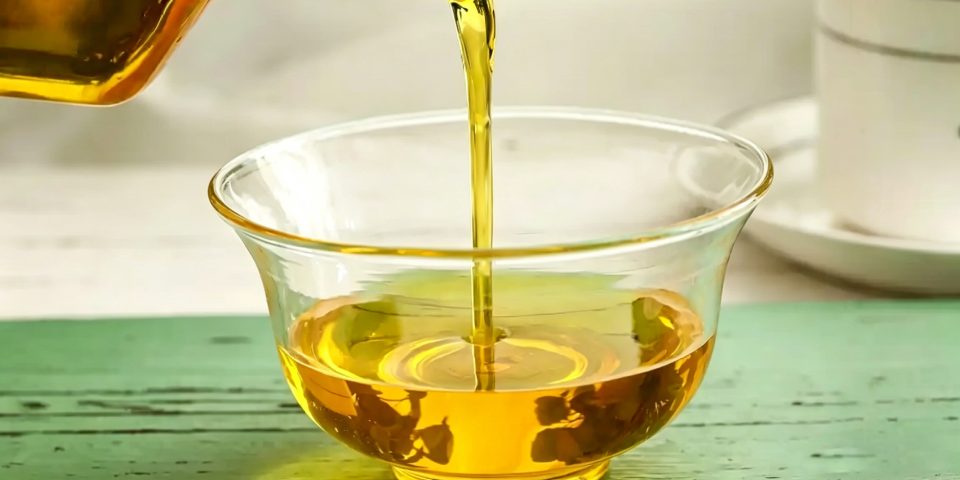
From the ancient superfood of Ningxia to modern supercritical extraction — exploring the science, composition, and far-reaching applications of one of nature’s most remarkable seed oils.
Long celebrated in traditional Chinese medicine for nourishing the liver, lungs, and kidneys, the goji berry (Lycium chinense Mill.) has gained global recognition as a functional superfood. Yet beyond the familiar red berry lies a hidden treasure: goji berry seed oil — a nutrient-dense oil packed with essential fatty acids, bioactive compounds, and trace minerals with extraordinary health-promoting properties.
Goji berries contain 15–20% seeds by weight, and those seeds yield approximately 18% oil. Recognized by China’s Ministry of Health as both a food and a medicine since 1988, goji berry seed oil has emerged as a versatile natural ingredient with applications spanning nutraceuticals, cosmetics, and pharmaceuticals.
01Nutritional Composition & Physicochemical Properties
Goji berry seed oil boasts an exceptional nutritional profile. Its fatty acid composition is dominated by polyunsaturated fatty acids (PUFAs), making it one of the most valuable plant-based oils for cardiovascular and metabolic health.
Fatty Acid Profile
| # | Fatty Acid | Content (%) |
|---|---|---|
| 1 | Palmitic Acid (C16:0) | 7.3 |
| 2 | Stearic Acid (C18:0) | 3.2 |
| 3 | Oleic Acid (C18:1) | 16.8 |
| 4 | Linoleic Acid (C18:2) | 67.8 |
| 5 | Linolenic Acid (C18:3) | 3.4 |
| 6 | Eicosenoic Acid (C20:1) | 1.5 |
With linoleic acid accounting for nearly 68% of its total fatty acid content, goji berry seed oil is an outstanding source of this essential omega-6 fatty acid. Linoleic acid plays a critical role in preventing and managing cardiovascular disease, atherosclerosis, obesity, diabetes, and hypertension, while also supporting infant brain development and cellular growth.
Bioactive Compounds
| Component | Content |
|---|---|
| Phospholipids | 0.25% |
| Vitamin E (VE) | 7.524 mg/100g |
| β-Carotene | 260 mg/100g |
| Superoxide Dismutase (SOD) | 84,390 U/g |
The oil is remarkably rich in bioactive molecules. β-Carotene, at 260 mg per 100g, gives the oil its characteristic golden hue and serves as a powerful provitamin A precursor. SOD — one of nature’s most potent antioxidant enzymes — is present at an impressive 84,390 U/g, capable of scavenging superoxide anions and protecting cells from oxidative damage. Vitamin E contributes anti-aging and cardiovascular protective effects, while phospholipids support brain metabolism, lipid regulation, and liver health.
Did you know? The SOD content in goji berry seed oil (84,390 U/g) is extraordinarily high among plant-based oils, making it a premium ingredient for anti-aging and skin-protective formulations.
Essential Trace Minerals
Goji berry seed oil contains a broad spectrum of essential trace elements, including selenium (0.093 μg/g) — confirmed by the World Health Organization as a vital micronutrient for maintaining immune function, protecting ocular and cardiac tissue, and preventing the accumulation of toxic substances in the body. The oil also contains copper, manganese, and zinc, which serve as essential cofactors for SOD enzymatic activity.
| Element | Content (mg/kg) | Element | Content (mg/kg) |
|---|---|---|---|
| Potassium (K) | 5.38 | Aluminum (Al) | 5.63 |
| Calcium (Ca) | 10.0 | Chromium (Cr) | 3.0 |
| Magnesium (Mg) | 1.38 | Molybdenum (Mo) | 0.013 |
| Sodium (Na) | 10.0 | Lithium (Li) | 0.05 |
| Iron (Fe) | 5.88 | Selenium (Se) | 0.0093 |
| Zinc (Zn) | 1.63 | Manganese (Mn) | 0.33 |
Key physicochemical parameters further confirm the oil’s premium quality:
| Parameter | Result |
|---|---|
| Oil Yield | 15.00% |
| Moisture & Volatiles | 1.47% |
| Acid Value | 5.8 mg KOH/g |
| Iodine Value | 138.8 g I/100g |
| Saponification Value | 200.0 mg KOH/g |
| Refractive Index (n²⁰) | 1.475 |
| Specific Gravity (d²⁰₂₀) | 0.9189 |
02Advanced Extraction: Supercritical CO₂ Technology
Traditional organic solvent extraction methods yield goji seed oil of suboptimal quality — lower purity, residual odors, and solvent traces that limit market acceptance. Today, supercritical CO₂ extraction has become the gold standard, delivering superior product quality through a clean, efficient, and environmentally friendly process.
Supercritical CO₂ Extraction Parameters: Pressure 25–30 MPa · Temperature 35–45°C · CO₂ Flow Rate 40 kg/h · Extraction Time 3 hours · Oil Yield > 94%
This advanced method offers several decisive advantages:
- High purity & no residual solvents — CO₂ is non-toxic and fully recoverable, leaving zero chemical residue in the final product
- Thermal protection — Low operating temperatures prevent thermal degradation of heat-sensitive bioactive compounds
- Pesticide removal — The process effectively eliminates pesticides and insecticide residues from raw materials
- Preservation of active ingredients — SOD, β-carotene, vitamin E, and other delicate compounds remain intact
- Environmentally friendly — No solvent waste, no pollution, low energy consumption, and simple operation
03Applications Across Industries
The unique composition of goji berry seed oil makes it a highly versatile ingredient with proven value across three major sectors.
Food & Nutraceuticals
Rich in linoleic acid (67.8%) and linolenic acid (3.4%), the oil is ideal for cardiovascular health supplements. Linolenic acid has demonstrated efficacy in preventing and treating cerebrovascular and cardiovascular diseases, particularly in reducing atherosclerotic lesions and inhibiting thrombus formation. The oil can be formulated into softgel capsules, nutritional supplements, and functional food additives. Processing 1 ton of fresh goji berries yields approximately 30 kg of seeds and 4.8 kg of premium seed oil.
Cosmetics & Skincare
The extraordinarily high SOD content (84,390 U/g) makes goji berry seed oil a standout anti-aging ingredient. SOD neutralizes superoxide free radicals, protecting skin cells from oxidative stress and supporting natural skin repair. Combined with β-carotene and vitamin E, the oil promotes skin radiance, reduces signs of aging, and offers protective benefits for the delicate skin around the eyes. It is particularly beneficial for individuals experiencing eye strain, glaucoma, or cataracts, as it nourishes and protects retinal cells.
Pharmaceuticals & Medicine
Goji berry seed oil supports multiple therapeutic pathways. The goji pigments — primarily β-carotene with minor lutein content — enhance immune function, inhibit tumor formation, and help prevent atherosclerosis. Goji polysaccharides have been shown to alleviate side effects of radiation therapy and protect against retinal oxidative damage. Vitamin E at 42.02 mg/100g serves as a cardioprotective agent and adjunct treatment for coronary heart disease. Selenium contributes to immune defense, ocular and cardiac tissue protection, and detoxification.
04Market Outlook & Development Prospects
The global demand for natural, functional ingredients continues to surge, and goji berry seed oil stands at the intersection of several high-growth markets: nutraceuticals, natural cosmetics, and botanical pharmaceuticals. Products such as goji seed oil softgels and capsules have already entered the market, signaling a shift toward diversified, value-added formats.
China remains the world’s leading producer of goji berries, and government agencies have prioritized the goji industry in regional development plans. Ningxia province, the heart of China’s goji cultivation, has established dedicated goji bases and listed goji product R&D as a key project in its strategic planning. Fresh goji berries contain approximately 3% seeds by weight, providing abundant raw material for oil extraction.
However, challenges remain. Current goji seed oil products in the domestic market suffer from limited variety and low-tier positioning. As international demand grows and consumer health awareness rises, the industry must:
- Expand R&D investment to develop differentiated, high-value product lines
- Accelerate product diversification across food, cosmetic, and pharmaceutical categories
- Modernize traditional cultivation practices to improve raw material consistency
- Establish industry standards and quality certification systems
- Build international brand recognition to compete in global markets
With an international market price of approximately 0.1 million yuan per kilogram for premium goji seed oil, and the ability to generate 0.48 million yuan in added value per ton of fresh berries processed, the economic potential is substantial. The future of goji berry seed oil lies in moving up the value chain — from a byproduct of berry processing to a recognized, science-backed natural health ingredient on the world stage.
Key takeaway: Goji berry seed oil represents a remarkable convergence of traditional herbal heritage and modern extraction science. Its exceptional fatty acid profile, unparalleled SOD activity, and rich bioactive content position it as a premium ingredient for the growing global wellness market.
