
Effects of Pine Nut Oil and Pine Nut Oil Encapsulated Powders on Blood Lipid Function
March 13, 2026
Digestive System Protective Effects of Seabuckthorn
March 19, 2026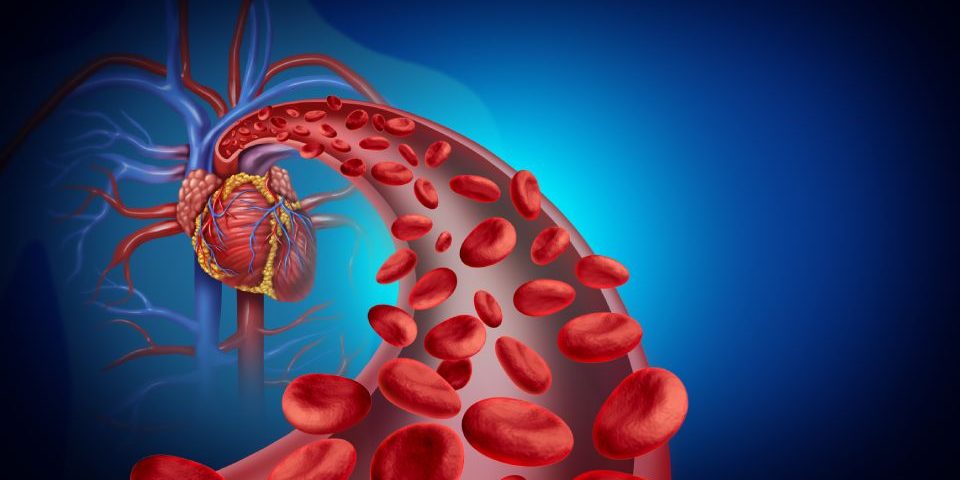
The pathological mechanisms of cardiovascular diseases are extremely complex. Conditions such as atherosclerosis and myocardial ischemia‑reperfusion injury are interwoven and correlated, greatly increasing the difficulty of prevention and treatment. In traditional medicine, seabuckthorn has shown significant myocardial protective effects, opening new avenues for addressing cardiovascular diseases.
Studies have demonstrated that seabuckthorn exerts many beneficial repairing effects on the cardiovascular system, including regulating lipid metabolism, blood pressure, and blood glucose levels, as well as providing antioxidant activity. These properties give seabuckthorn great potential in the prevention and management of cardiovascular diseases.
1 Lipid-Lowering and Anti-Atherosclerotic Effects
Dyslipidemia and atherosclerosis are key risk factors for cardiovascular diseases and seriously affect human health. With its abundant bioactive components, seabuckthorn shows remarkable efficacy in the prevention and treatment of cardiovascular diseases. Studies indicate that triterpenic acids in seabuckthorn can significantly inhibit α‑glucosidase activity, effectively reduce postprandial blood glucose, and thereby improve lipid profiles.
In animal studies, seabuckthorn fruit oil, rose hip oil, and elderberry extract were administered to model mice. The results showed that they successfully prevented atherosclerosis induced by a high‑fat diet, providing new strategies for the prevention and treatment of atherosclerosis.
In addition, studies have found that seabuckthorn seed oil can effectively reduce blood cholesterol levels in hypercholesterolemic hamsters by increasing intestinal cholesterol excretion and promoting short‑chain fatty acid synthesis, thereby helping prevent heart disease.
Clinical studies have further confirmed the application value of seabuckthorn and seabuckthorn oil. Research found that daily supplementation with 0.75 mL of seabuckthorn seed oil for 30 days not only normalized blood pressure in hypertensive patients but also significantly reduced total cholesterol, oxidized low‑density lipoprotein, and triglyceride levels in hypercholesterolemic individuals.
Another study showed that 111 hypercholesterolemic patients who consumed 90 g of seabuckthorn puree daily for 90 days exhibited reduced diastolic blood pressure and decreased levels of high‑sensitivity C‑reactive protein, an inflammatory marker.
2 Antithrombotic Effects and Improvement of Hemorheological Parameters
Modern pharmacological studies confirm that seabuckthorn exhibits significant anticoagulant activity. Research shows that seabuckthorn fruit and seed extracts possess antioxidant and anticoagulant properties that protect the cardiovascular system. Furthermore, active components from seabuckthorn leaves and twigs also demonstrate prominent inhibitory effects on platelet aggregation, supporting cardiovascular health through multiple mechanisms.
