
Cardiovascular Protective Effects of Seabuckthorn
March 16, 2026
Respiratory System Protective Effects of Seabuckthorn
March 20, 2026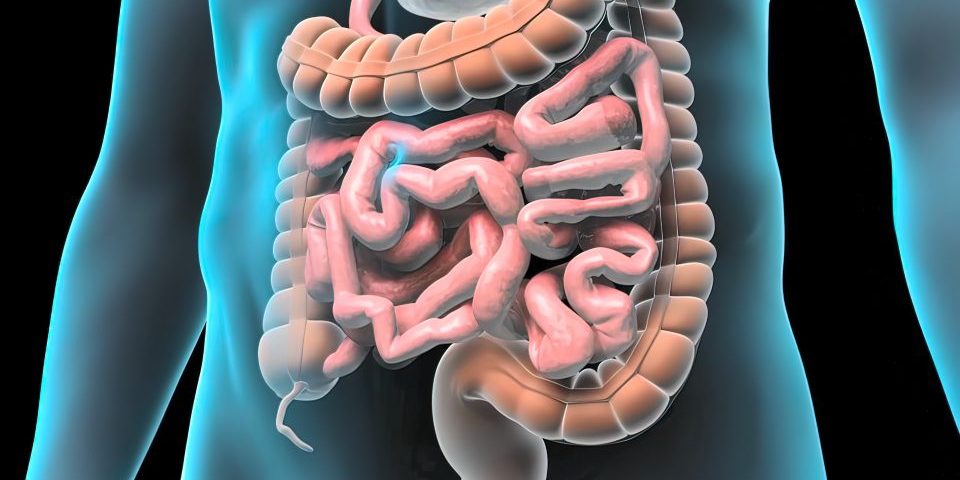
In traditional Chinese medicine, seabuckthorn is known to invigorate the spleen and promote digestion. Its unique sweet and sour taste stimulates the spleen and stomach, improves appetite, promotes digestive juice secretion, enhances gastrointestinal motility, and optimizes digestive function.
Modern research shows that seabuckthorn is rich in biologically active components beneficial to digestion, such as seabuckthorn polysaccharides and flavonoids.
1 Liver Protection
The liver is a key organ in the digestive system and plays a central role in maintaining normal digestion and metabolism.Liver diseases, including non alcoholic fatty liver disease (NAFLD) and autoimmune liver disease, impair hepatic function and disrupt the entire digestive system, leading to various health disorders.
Studies have revealed that triterpenic acids in seabuckthorn show therapeutic potential for NAFLD. Two natural flavonol compounds isolated from seabuckthorn — quercetin and quercitrin — reduce lipid accumulation and alleviate oxidative stress in oleic acid-induced HepG2 cells, suggesting promising value in NAFLD management.
In the gut-liver axis, intestinal flora is closely associated with liver health. Dysbiosis damages the intestinal barrier, allowing harmful bacteria and pathogen-associated molecular patterns (PAMPs) to translocate to the liver and trigger liver injury.Seabuckthorn polysaccharides improve intestinal microecology, indirectly regulating hepatic lipid metabolism and inflammation, offering unique advantages in the synergistic treatment of digestive and liver diseases.
In autoimmune liver disease, seabuckthorn reverses the downregulation of CYP2D6 by inhibiting NF κB signaling and regulating the cAMP/PKA/CREB/CYP2D6 pathway, restoring metabolic function in immune related liver injury.
Clinical studies also indicate that seabuckthorn based dietary therapy improves blood lipid, glucose, and liver enzyme levels in patients with NAFLD.
2 Gastrointestinal Protection
Seabuckthorn exerts significant gastrointestinal protective effects, mainly through regulating intestinal flora.Seabuckthorn extract targets Faecalibacterium and regulates butyrate biosynthesis, thereby alleviating intestinal inflammation and exerting therapeutic effects on ulcerative colitis.
Seabuckthorn polysaccharide-containing synbiotics restore the structure and composition of intestinal microbiota, balance Th17/Treg immune homeostasis, and attenuate DSS-induced colitis.
Seabuckthorn polysaccharides also modulate the structure and abundance of gut microbiota, relieve intestinal inflammation, and upregulate the expression of Occludin, Claudin-1, ZO-1, and MUC-2, strengthening the intestinal barrier.
Seabuckthorn polysaccharides exert dual therapeutic effects on ulcerative colitis:
Seabuckthorn flavonoids also protect the gastrointestinal tract. In LPS-induced ulcerative colitis, they reduce serum IL-1β and IL-2 levels, alleviate intestinal damage, upregulate Occludin and ZO-1 mRNA expression, and improve the intestinal microenvironment.
Seabuckthorn polyphenols regulate intestinal flora, enhance nutrient absorption and bioavailability, and protect the gastrointestinal tract.
Seabuckthorn fruit oil improves the diversity and composition of intestinal microbiota, strengthens the mucosal immune barrier, activates systemic immunity, and enhances host defense.
In summary, multiple bioactive components in seabuckthorn protect the gastrointestinal tract by regulating flora, repairing intestinal barrier, and modulating immune function.
Clinical trials confirm that various seabuckthorn formulations effectively relieve functional dyspepsia and enhance gastric motility.
