

Sea Buckthorn Oil Comparison: Seed vs. Fruit vs. Whole Fruit Oil
May 2, 2026
How Sea Buckthorn Seed Oil Triggers Apoptosis in Gastric Cancer Cells: In Vitro Evidence
May 4, 2026Organic Germanium (Ge-132) Enhances Cyclophosphamide Antitumor Effect in Hepatocellular Carcinoma
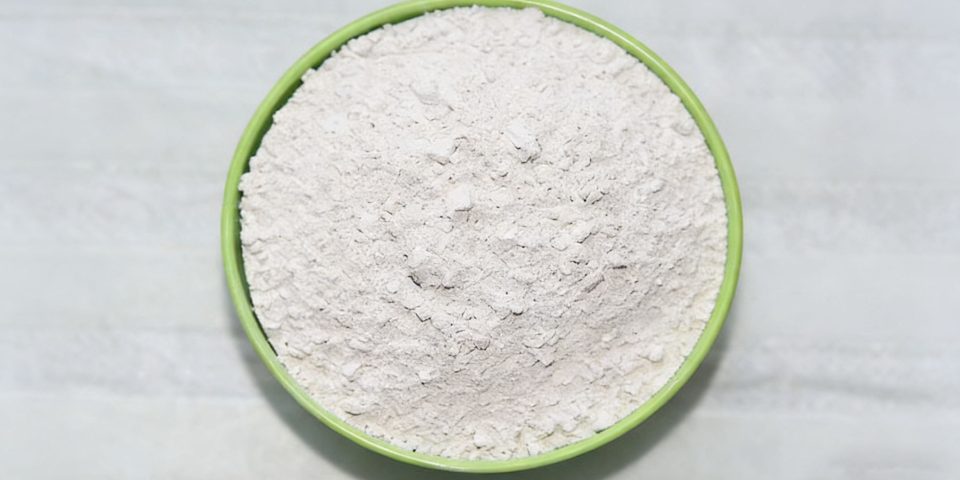
Research shows Ge-132 boosts serum SOD activity by 75% and increases CTX tumor inhibition rate from 37% to 45% in HCC-bearing mice, while relieving chemotherapy-induced immunosuppression.
(CTX + Ge-132 High Dose)
(CTX + Ge-132 group)
(Ge-132 High Dose alone)
(therapeutic dose, nearly no side effects)
The Double-Edged Sword of Chemotherapy
Chemotherapy saves lives — but it comes at a cost. Most chemotherapeutic agents cannot distinguish between cancerous and healthy cells. While they kill tumor cells, they also damage normal tissue, particularly the bone marrow. The result is a paradox: the treatment weakens the very immune system the body needs to fight cancer.
This is especially true for cyclophosphamide (CTX), a widely used chemotherapy drug with a broad antitumor spectrum. CTX is effective at shrinking tumors, but it simultaneously suppresses bone marrow function — limiting its own clinical utility. Researchers have long searched for a safe adjuvant that can enhance CTX’s antitumor effect while relieving its immunosuppressive side effects.
Can Organic Germanium Tip the Balance?
Organic Germanium Ge-132 (β-carboxyethylgermanium sesquioxide) has drawn attention for its immunomodulatory and antioxidant properties. Unlike chemotherapeutic agents, Ge-132 is reported to enhance immune function rather than suppress it. The question researchers at Guangdong College of Pharmacy set out to answer was simple but powerful:
“Can Ge-132 reduce chemotherapy-induced immune damage and synergistically improve treatment outcomes?”
To find out, they established a hepatocellular carcinoma (HCC) mouse model using Heps strain tumor cells. Mice were divided into five groups and treated for 16 days:
| Group | Treatment | How It Was Given |
|---|---|---|
| Control | Normal saline | Intraperitoneal injection, 10 days |
| CTX Alone | Cyclophosphamide 0.4 mg/site | Local tumor injection |
| Ge-132 Low Dose | 62.5 mg/mouse | Gavage, 10 days |
| Ge-132 High Dose | 125 mg/mouse | Gavage, 10 days |
| CTX + Ge-132 | CTX 0.4 mg + Ge-132 125 mg | Combined |
Three indicators were measured on day 16: serum SOD activity, tumor weight (to calculate inhibition rate), and WBC infiltration in tumor tissue (via pathological examination).
What the Data Showed
Serum SOD Activity: Ge-132 Fights Free Radicals
Superoxide dismutase (SOD) is the body’s frontline defense against free radical damage. Higher SOD activity means stronger antioxidant protection. The results were striking:
| Group | SOD Activity (Nu/ml) | vs. Control |
|---|---|---|
| Control (NS) | 81.1 ± 13.9 | Baseline |
| CTX Alone | 102.3 ± 19.2 | +26% (P < 0.05) |
| Ge-132 Low Dose | 91.6 ± 12.3 | Not significant |
| Ge-132 High Dose | 121.0 ± 17.9 | +49% (P < 0.01) |
| CTX + Ge-132 High Dose | 142.5 ± 24.1 | +75% vs control; +39% vs CTX alone (P < 0.05) |
The combination of CTX and Ge-132 achieved the highest SOD activity of all groups — a 75% increase over the control group. Ge-132 was not merely passive; it actively amplified the body’s antioxidant defenses.
Tumor Inhibition: The Synergistic Effect
| Group | Tumor Weight (g) | Inhibition Rate | Statistical Significance |
|---|---|---|---|
| Control (NS) | 0.51 ± 0.14 | — | — |
| CTX Alone | 0.32 ± 0.13 | 37% | vs control: P < 0.05 |
| Ge-132 Low Dose | 0.48 ± 0.11 | 6% | Not significant |
| Ge-132 High Dose | 0.35 ± 0.09 | 31% | vs control: P < 0.05 |
| CTX + Ge-132 HD | 0.28 ± 0.11 | 45% | vs CTX alone: P < 0.01 |
Two things stand out. First, low-dose Ge-132 (62.5 mg) had almost no antitumor effect — the 6% inhibition rate was negligible. Second, the combination of CTX and high-dose Ge-132 achieved a 45% tumor inhibition rate, significantly higher than CTX alone (37%). The synergy was real.
WBC Infiltration: Reversing Immune Suppression
Perhaps the most revealing finding was in the tumor tissue pathology. WBC (white blood cell) infiltration reflects the immune system’s ability to penetrate and attack the tumor. The researchers graded infiltration as: ● (sparse), ●● (diffuse), or ●●● (extensive and deep).
| Group | WBC● (%) | WBC●● (%) | WBC●●● (%) |
|---|---|---|---|
| Control (NS) | 27.3% | 36.4% | 36.4% |
| CTX Alone | 36.4% | 36.4% | 27.3% |
| Ge-132 Low Dose | 27.3% | 36.4% | 36.4% |
| Ge-132 High Dose | 0% | 27.3% | 72.7% |
| CTX + Ge-132 HD | 0% | 45.5% | 54.5% |
CTX alone suppressed deep WBC infiltration. But high-dose Ge-132 dramatically reversed this: 72.7% of tumors in the Ge-132 high-dose group showed extensive (●●●) WBC infiltration. In the combination group, 54.5% showed the same deep immune penetration. Ge-132 was actively restoring what CTX had suppressed.
Why This Matters
The findings point to a clear mechanistic story. Ge-132 works on two fronts: it enhances cellular immunity (promoting WBC infiltration into tumors) and it scavenges superoxide radicals (boosting SOD activity). When paired with CTX, it relieves the chemotherapy-induced bone marrow suppression that normally limits CTX’s effectiveness.
Crucially, Ge-132 itself is not a strong antitumor agent — its direct inhibition rate was a modest 31%. Its true value is as an immunoadjuvant: it creates the immune conditions that allow chemotherapy to work better.
Safety makes it even more compelling. At therapeutic doses, Ge-132 produces almost no toxic side effects. It is easy to administer and affordable for most patients — a rare combination in oncology adjuvants.
The researchers concluded that high-dose Ge-132 (125 mg/dose) combined with CTX “deserves clinical trial investigation” as a novel chemotherapy regimen for malignant tumors. That was in 1997. Nearly three decades later, the underlying mechanism — and the market need — remain highly relevant.
Key Takeaways
| Finding | What It Means |
|---|---|
| Ge-132 Alone | Modest direct antitumor effect (31% inhibition); strong immune enhancement (SOD ↑ 49%, WBC infiltration ↑) |
| CTX + Ge-132 | Superior antitumor effect (45% inhibition, P<0.01 vs CTX alone); reverses CTX-induced immunosuppression |
| Safety Profile | Extremely low toxicity at therapeutic doses; suitable for adjunctive use |
| Clinical Outlook | Worthy of clinical trials as a chemotherapy adjunct — especially where CTX is part of the regimen |
Frequently Asked Questions
Why Choose TongyuBio for Organic Germanium (Ge-132)?
(HPLC verified)
Full documentation
Flexible order size
Manufacturing experience
References
| # | Citation |
|---|---|
| 1 | Ling ZY, Li JQ, Liu ZH, et al. Organic Germanium (Ge-132) Enhances the Antitumor Effect of Cyclophosphamide: Experimental Research. Academic Journal of Guangdong College of Pharmacy (J Guangdong Pharm Univ). 1997;13(1):24-26. |
| 2 | Ji JP. Ultra-micro rapid assay method for superoxide dismutase. Journal of Nanjing Railway Medical College. 1991;10(1):27. |
| 3 | Si CP, Dang XL, Yu J, et al. Immunoenhancing effect of organic germanium (Ge-132). Shanghai Journal of Immunology. 1994;(1):14. |
| 4 | Wang JR, Meng LY, Cao QL, et al. Effects of organic germanium (Ge-132) on immune function. Chinese Journal of Immunology. 1991;(2):120. |
| 5 | Hill BT, Whatley SA, Bellamy AS, et al. Cytotoxic effects and biological activity of NSC192965 (spirogermanium) in vitro. Cancer Res. 1982;42(7):2852. |
| 6 | Chen HZ. Research progress on antitumor effect of organic germanium. Foreign Medical Sciences (Oncology Section). 1989;(3):129. |
Interested in Organic Germanium (Ge-132) for Your Formulation?
TongyuBio supplies high-purity Ge-132 powder with full COA documentation. Request a quote or free sample today.
