
Reishi Spore Oil: Benefits, Composition & Immune-Supporting Research Explained
August 31, 2026
Sea Buckthorn Oil Liver Protection: How a New Lipidomics Study Reveals Its Mechanism Against Alcohol-Induced Damage
September 2, 2026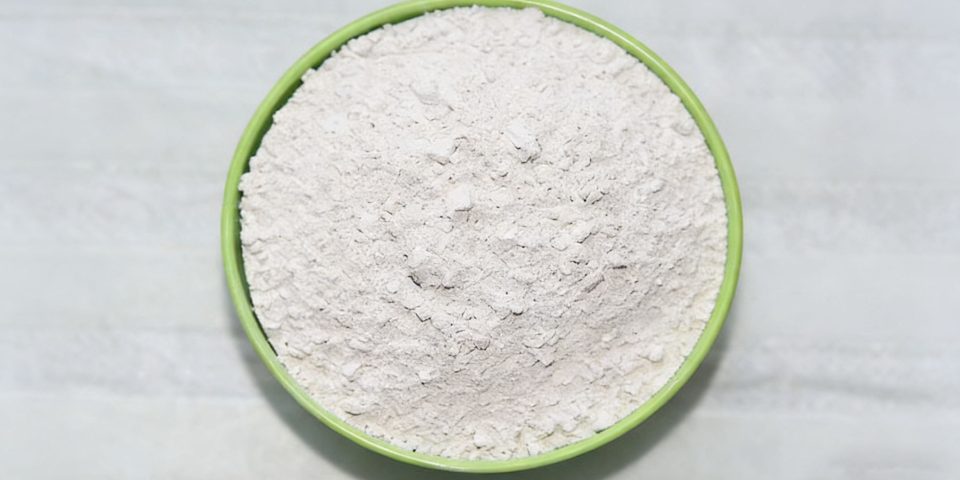
A classic study from the First Military Medical University asked a precise question about organic germanium: does it directly stimulate the growth of granulocyte-macrophage colony-forming cells, or does it act through something else? The answer turned out to be more interesting than a simple yes or no.
01The Question Behind the Study
Researchers at Nanfang Hospital’s Department of Pediatrics, led by Zhang Huan, had already documented several effects of organic germanium in earlier work. Ge-132 had been shown to raise natural killer cell activity, activate macrophages against tumor cells, and support hematopoiesis in bone marrow and spleen. It also appeared to protect mice from lethal doses of radiation.
What remained unclear was how. A natural next step was to test the compound against a clean, well-understood model: granulocyte-macrophage colony-forming cells (GM-CFC), the bone marrow progenitors that give rise to granulocytes and macrophages.
02How the Experiment Worked
The team used an in vitro agar semi-solid culture system. Bone marrow cells were flushed from mouse femurs, turned into a single-cell suspension, and grown in a two-layer agar culture. Ge-132 was dissolved in saline and added to both layers so the concentration stayed uniform. After a set incubation period, colonies were counted under a light microscope.
The study broke into three experiments, each testing a different possible mechanism:
- Direct effect. Ge-132 alone, with no colony-stimulating factor (CSF) present.
- Synergy with CSF. Ge-132 alongside a CSF already in the culture.
- Indirect effect. Ge-132 in a two-layer culture containing lung tissue, muscle tissue, or spleen cells.
03Three Findings, One Clear Pattern
The results were consistent and specific.
- Ge-132 did not act alone. Without CSF, only sparse colonies formed — no more than a handful per dish. Organic germanium on its own could not push GM-CFC into colony formation.
- Ge-132 did not amplify CSF. When CSF was already present, Ge-132 failed to raise colony numbers at any tested dose. At higher concentrations it produced a slight suppression.
- The lung tissue effect stood out. When Ge-132 was added to the layer containing lung tissue, colony formation increased significantly across a wide dose range. Muscle and spleen tissue showed no such response.
The takeaway: organic germanium does not work by directly growing these cells, and it does not boost existing growth factors. Instead, it appears to trigger certain cells in lung tissue — most likely endothelial cells or macrophages — to release active colony-stimulating factor, which in turn supports granulocyte-macrophage colony formation.
04What This Tells Us About How Ge-132 Works
The authors laid out three possible routes before the study: direct growth promotion, cooperation with CSF, or stimulation of other cells to produce CSF. The data eliminated the first two and pointed clearly at the third.
This fits the broader picture of Ge-132 as an indirect, signaling-based immune modulator. The compound does not replace the body’s own growth factors. It nudges specific cells to produce them. That distinction matters, because it explains why Ge-132 is usually described as an immune “modulator” rather than a direct stimulant, and why its effects are dose-dependent rather than unlimited.
05Why This Matters for Formulators and Raw-Material Buyers
For supplement formulators and ingredient buyers, this study surfaces two practical points.
First, positioning. Because germanium sesquioxide works through endogenous signaling, it sits naturally alongside immune-support and blood-health ingredients rather than as a stand-alone growth factor. Claims should reflect an indirect, modulatory role, which is both more accurate and easier to substantiate.
Second, purity. Nearly all of the research describing Ge-132 — including this study — refers to the bis-carboxyethyl germanium sesquioxide form. Because the compound acts through subtle biological signaling, a well-characterized, high-purity material gives formulators a consistent basis for dosing. A 99.5% purity grade of Ge-132 matches the material referenced across the scientific literature.
06Frequently Asked Questions
What is organic germanium (Ge-132)?
Organic germanium, most commonly bis-carboxyethyl germanium sesquioxide (Ge-132), is a water-soluble germanium compound studied for its immune-modulating and hematopoietic effects. It is distinct from inorganic germanium, which is not considered safe for supplementation.
Does organic germanium directly stimulate white blood cell formation?
No. The First Military Medical University study found that Ge-132 does not directly stimulate granulocyte-macrophage colony-forming cells and does not amplify colony-stimulating factor. It appears to prompt certain lung cells to release active CSF, which then supports colony formation.
What are granulocyte-macrophage colony-forming cells?
Granulocyte-macrophage colony-forming cells (GM-CFC) are bone marrow progenitor cells that develop into granulocytes (neutrophils, eosinophils, basophils) and macrophages. They are a standard model for studying how compounds affect blood cell and immune cell production.
Why does purity matter when sourcing Ge-132?
Because Ge-132 acts through subtle, dose-dependent biological signaling, formulators benefit from a well-characterized, high-purity material. A verified 99.5% grade provides the consistency that clinical and preclinical literature describes.
