

Sodium Butyrate & NAFLD: Liver Health Benefits Explained
August 30, 2026
Organic Germanium (Ge-132) and Immune Function
September 1, 2026Reishi Spore Oil: Benefits, Composition & Immune-Supporting Research Explained
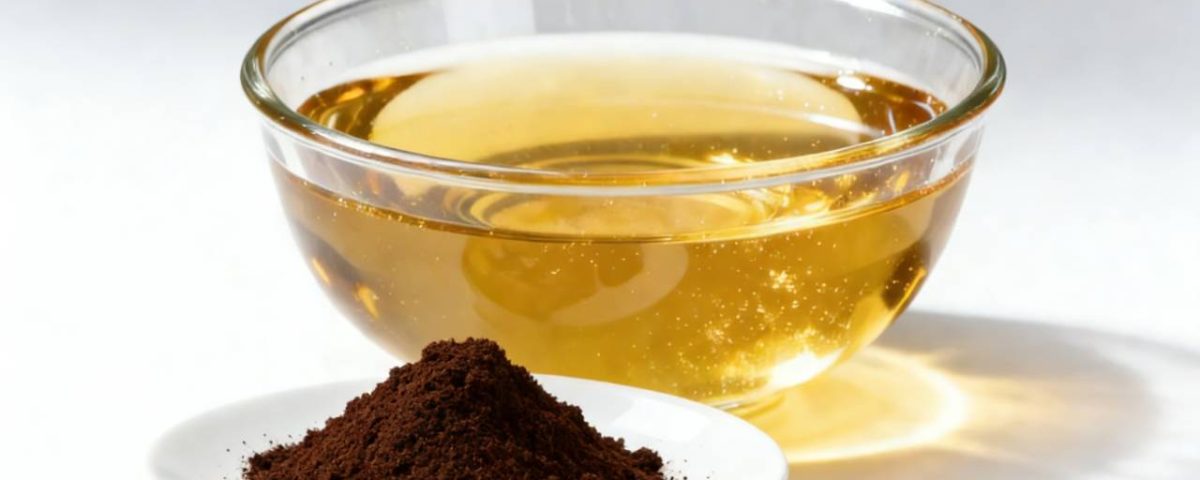
ganoderma lucidum spore oil
For more than two thousand years, Reishi has been celebrated in the East as the “mushroom of immortality.” Modern science has now revealed that one of its most potent secrets lies hidden inside a microscopic reproductive cell — the spore — whose golden oil carries remarkable therapeutic potential.
Reishi spore oil is a pale-yellow lipid extracted from the broken spores of Ganoderma lucidum — the celebrated medicinal mushroom known in China as lingzhi and in Japan as reishi or mannen-take. Each spore is a complete reproductive cell containing the full genetic blueprint of the fungus, and its oil, released only after the tough spore wall is fractured, concentrates the mushroom’s lipid-soluble essence in a form that ordinary fruiting-body extracts cannot match.
Produced by supercritical CO₂ extraction, Reishi spore oil has become one of the most sought-after functional oils in Asia’s nutraceutical market. In China, Reishi spore oil soft capsules are officially registered health foods with approved claims for “enhancing immune function” and “auxiliary protection against chemical liver injury” — a regulatory endorsement that signals both safety and market maturity.
A comprehensive 2025 review by Kang Xiahong and Li Ping at the School of Traditional Chinese Pharmacy, China Pharmaceutical University, published in Chinese Journal of Modern Applied Pharmacy (Vol. 50, No. 8), systematically summarized decades of research on the chemistry and pharmacology of Ganoderma lucidum spore oil — offering the clearest picture yet of what this golden oil can do.
01From Ancient Remedy to Modern Functional Oil
Reishi was first recorded in the Shennong Bencao Jing, China’s oldest pharmacopeia, where it was classified as a superior-grade herb — the highest rank, reserved for substances considered non-toxic and beneficial for long-term use. The classic text credits it with “nourishing heart qi, supplementing the center, sharpening intelligence, and preventing forgetfulness.” The Chinese Pharmacopoeia (2020 edition) formally recognizes the dried fruiting bodies of Ganoderma lucidum for replenishing qi, calming the spirit, and relieving cough and wheezing.
The spore represents the culmination of the mushroom’s life cycle. Under suitable conditions, a spore germinates and develops through mycelium and fruiting-body stages — which is why spores are regarded as containing the fungus’s complete genetic inheritance. Products derived from them include broken-spore powder, mycelium oral liquids, and fruiting-body slices, but the spore oil has drawn the most commercial attention.
Why “broken wall” matters: Reishi spores are protected by an extremely hard, chitin-rich double wall that the human digestive system cannot break down. Only after mechanical wall-breaking (≥95% broken rate is the industry benchmark) can the lipid-soluble core — the spore oil — be released and extracted with supercritical CO₂.
02Chemical Composition: What’s Inside the Golden Oil
Reishi spore oil consists almost entirely of non-polar compounds, organized into three major structural families: fatty acids, triglycerides, and steroids — along with trace amounts of other bioactive molecules.
Fatty Acids: The Foundation
Twenty-two fatty acids have been identified to date, and the profile is dominated by long-chain unsaturated even-carbon fatty acids. Oleic acid and linoleic acid together account for more than half of total fatty acids, while palmitic and stearic acids are the principal saturated components.
| Category | Representative Fatty Acids | Significance |
|---|---|---|
| Monounsaturated (MUFA) | Oleic acid (C18:1), palmitoleic acid | Cardiovascular and metabolic support |
| Polyunsaturated (PUFA) | Linoleic acid (C18:2), α-linolenic acid, EPA, DHA, arachidonic acid | Essential fatty acids, anti-inflammatory precursors |
| Very-long-chain | Nervonic acid (C24:1) | Brain and nervous system health |
| Saturated (SFA) | Palmitic acid (C16:0), stearic acid (C18:0) | Structural stability, minor fraction |
Triglycerides: The Quality Fingerprint
Ten triglycerides have been characterized, including triolein, trilinolein, and mixed species such as 1,3-dipalmitoyl-2-oleoylglycerol. Because triglyceride profiles determine edible oil quality, they serve as powerful quality markers: HPLC fingerprinting of triglycerides and fatty acids can successfully distinguish authentic Reishi spore oil from adulterated samples and from other vegetable oils — a critical safeguard in a market where cheap oil dilution is a known risk.
Steroids: The Signature of Authenticity
Thirteen steroid compounds have been isolated, with ergosterol the most abundant. Ergosterol is particularly valuable analytically: unlike other markers, it requires no complex pretreatment and can be quantified directly by HPLC, making it an ideal indicator compound for adulteration screening. Another steroid — ergosta-4,6,8(14),22-tetraen-3-one — fluoresces strongly under 365 nm UV light on thin-layer chromatography, enabling rapid visual identification of genuine spore oil.
Minor Bioactives
The oil also contains trace amounts of ganoderic acids (highly oxidized lanostane-type triterpenes, at roughly 2 µg/g — far below the levels found in fruiting bodies), plus γ-tocopherol and squalene. These unsaturated molecules contribute meaningfully to the oil’s natural antioxidant capacity. Notably, research suggests triterpenes are not suitable quality-control markers for spore oil precisely because their content is so low — an important distinction from Reishi fruiting-body products.
03Anti-Tumor Activity: A Multi-Pronged Defense
Modern pharmacology identifies Reishi as a natural anti-cancer agent, and spore oil demonstrates diverse anti-tumor effects both in vitro and in vivo — acting through three complementary mechanisms.
Inducing Cancer Cell Apoptosis
Apoptosis — programmed cell death — is a process cancer cells learn to evade. Reishi spore oil reverses this evasion by lowering the Bcl-2/Bax protein ratio and activating caspase-3 in human non-small cell lung cancer (A549), breast cancer (MDA-MB-231), and gastric adenocarcinoma (BGC-823) cells. In leukemia THP-1 cells, the oil’s lipid extract suppresses ERK1/2 and Akt phosphorylation while activating the JNK pathway. In HepG2, A549, and HCT116 cells, it promotes NF-κB phosphorylation to trigger caspase-mediated apoptosis, and in lung adenocarcinoma SPC-A1 cells, it works by downregulating miR-21 and upregulating tumor-suppressor genes PTEN and PDCD4.
Inhibiting Tumor Angiogenesis
Tumors depend on new blood vessels for oxygen and nutrition. Vascular endothelial growth factor (VEGF) is the master switch of this process. Reishi spore oil suppresses VEGF expression in a time- and dose-dependent manner, slowing the progression of lung and liver cancers. In migration assays, treated gastric cancer cells showed reduced VEGF, MMP2, and MMP9 expression alongside elevated inhibitor TIMP-2 — crippling their ability to degrade surrounding tissue and metastasize. In nude mice bearing MDA-MB-231 breast cancer xenografts, the oil simultaneously lowered VEGF and raised its natural inhibitor TSP-1, delivering a dual anti-angiogenic strike.
Blocking the Cell Cycle
The oil inhibits topoisomerase I and II — enzymes essential for DNA replication and common chemotherapy targets — while lowering Cyclin D1 and arresting cancer cells at G1 phase. It also inhibits telomerase activity in tumor-bearing mice and blocks HepG2 cells at G2/M. Nanosized formulations developed through high-pressure homogenization push the boundary further, arresting gastric cancer MGC-803 cells at G0/G1 and demonstrating enhanced therapeutic performance.
04Immune Modulation: Restoring the Body’s Natural Defense
Immune enhancement is the best-documented — and officially approved — function of Reishi spore oil. Research in mice shows it strengthens both innate and adaptive immunity, with cellular immunity playing the leading role:
- Enhances macrophage phagocytosis, NK cell cytotoxicity, and T-cell proliferation
- Raises splenic cytokines including TNF-α and IL-2
- Increases antibody-producing cells and serum hemolysin levels
- Reverses immunosuppression in cyclophosphamide-treated mice, restoring TNF-α, IFN-γ, IL-2, IL-12 and other cytokines
- Restores body weight, spleen and thymus function in virally immunocompromised animals
- Relieves collagen-induced rheumatoid arthritis by curbing neutrophil infiltration and inflammatory IL-6 signaling
Remarkably, T-lymphocyte subgroup changes in supplemented mice mirror those observed in athletes taking spore oil — badminton players showed measurably improved post-exercise immune function. Recent research also reveals a gut microbiome dimension: the oil restructures intestinal microbial communities, boosting macrophage activity and NK-cell toxicity through immune-related metabolite changes, while also protecting against periodontal inflammation and accelerating burn wound healing through skin microbiota regulation.
05Neuroprotection: New Hope for Brain Disorders
Some of the most exciting findings concern the brain. Parkinson’s disease is driven by the misfolding of α-synuclein protein in the substantia nigra. In MPTP- and 6-OHDA-induced animal models, Reishi spore oil reduced stereotypical limb tremors, raised dopamine and its metabolites in the midbrain, and increased the Bcl-2/Bax ratio — protecting dopaminergic neurons from death. Mechanistically, it works on two fronts: directly suppressing MPTP-induced inflammatory factors (TNF-α, IL-1β) to relieve nigral inflammation, and downregulating inducible nitric oxide synthase (iNOS) to limit oxidative neuronal damage.
In Alzheimer’s disease models induced by aluminum trichloride, spore oil significantly shortened escape latency in the Morris water maze and reversed pathological changes in the hippocampus. In healthy young mice, it acted synergistically with deep-sea fish oil to promote neuronal NOS expression and sustain long-term potentiation (LTP) — the electrophysiological foundation of learning and memory.
06Anti-Fatigue: From Gym Bags to Cancer Care
Fatigue results from depleted energy reserves and accumulated metabolic byproducts. In forced-swimming tests, Reishi spore oil extended loaded swimming time, lowered fatigue-associated serum markers (BUN, creatine kinase, and blood lactic acid), replenished liver and muscle glycogen, and raised antioxidant indicators GSH and CAT — with histological evidence of reduced exercise-induced muscle damage.
Of particular clinical relevance is the oil’s effect on cancer-related fatigue. In mice bearing lung, liver, and gastric tumors, spore oil shortened tail-suspension immobility and prolonged swimming endurance. Interestingly, one comparative study found that only triterpene-containing compound spore oil improved central fatigue in Lewis lung cancer mice — while research on other unsaturated-fatty-acid-rich seed oils suggests fatty acids themselves may be the anti-fatigue actives. The question of precisely which molecule drives which effect remains an open frontier.
07Antioxidant Power & Organ Protection
The oil directly scavenges DPPH, ABTS, and superoxide anion radicals in vitro. In Drosophila models, it raised SOD and CAT activities while lowering MDA — extending average lifespan and earning consideration as a potential anti-aging supplement. Nano-formulations reversed radiation-induced declines in hepatic SOD and GSH-Px, maintaining the body’s antioxidant equilibrium.
Organ protection extends to two vital systems:
- Heart: In trimethylamine N-oxide (TMAO)-induced cardiac dysfunction, spore petroleum-ether extract lowered TC, TG, and LDL while raising HDL, and modulated UCP1 expression to preserve cardiac metabolic stability. A novel P188/PEG400 nano-system protected X-ray-irradiated H9c2 cardiomyocytes by maintaining mitochondrial morphology and promoting cardiac self-repair.
- Liver: The oil reduced TG and MDA in alcohol-induced acute liver injury, cutting fat deposition in damaged tissue, and reversed CCl₄-induced elevations in serum GPT and AST — supporting its approved claim of “auxiliary protection against chemical liver injury.”
08Quality Challenges & the Road Ahead
Despite this impressive pharmacological portfolio, the review’s authors identify important gaps. Reishi spore oil still lacks a fully unified quality-monitoring system: analytical methods and sample-preparation protocols vary across studies, and the presence of triterpene acids remains contested — leading to inconsistent results and soft-capsule products without harmonized standards. Fingerprint profiling combined with chemometric pattern recognition offers a path toward rapid authenticity verification and quality surveillance across production and distribution.
Looking forward, several research directions promise to unlock more of the oil’s potential: pharmacokinetic studies enabled by nanosization and liposomal encapsulation, network pharmacology to decode multi-component multi-target mechanisms, and grey relational analysis to link specific compound groups with observed bioactivities.
For formulators, supplement brands, and functional-food developers, Reishi spore oil represents a rare combination: a scientifically documented, regulator-recognized, and historically venerated ingredient — suitable for immune-support softgels, anti-fatigue formulations, neuroprotective supplements, and healthy-aging products alike.
